2026 Top Trends in High Voltage Fuse for Global Buyers?
High Voltage Fuses play a critical role in electrical safety and efficiency. As the demand for reliable power solutions grows, so does the need for innovative fuse technologies. In 2026, global buyers will encounter several key trends shaping the High Voltage Fuse market. Understanding these trends is essential for informed purchasing decisions.
Advancements in materials and design are at the forefront. Manufacturers are exploring new technologies to enhance performance and reduce failures. Energy efficiency is also a significant focus. Buyers are interested in fuses that help minimize energy loss in electrical systems. This shift reflects a broader commitment to sustainability in the industry.
However, not all trends may succeed. Some innovations may prove impractical or costly. Buyers should remain cautious, questioning the long-term benefits of new products. Engaging with experts and leveraging industry knowledge will be vital in navigating these changes. The future of High Voltage Fuses is bright but requires careful consideration from global buyers.

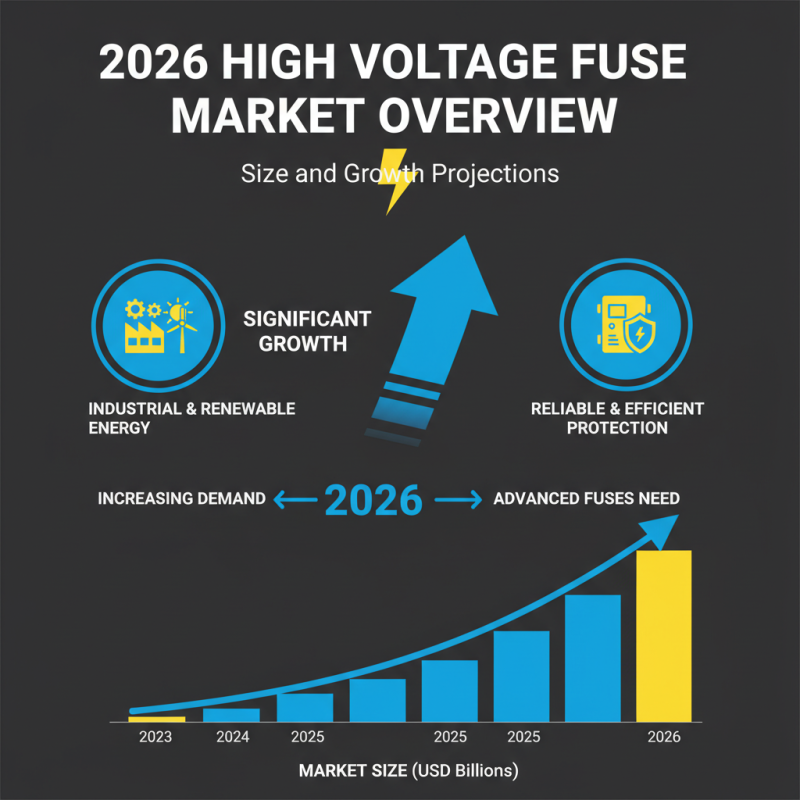
2026 High Voltage Fuse Market Overview: Size and Growth Projections
The high voltage fuse market is poised for significant growth in 2026. Recent trends show an increasing demand for reliable and efficient electrical protection solutions. The market is expanding due to the rise in industrial activities and renewable energy projects. This leads to a higher reliance on high voltage systems, ultimately boosting the need for advanced fuses.
Projections indicate that the market size will increase steadily. As global electrical standards evolve, manufacturers are adapting their products to meet new requirements. Buyers are becoming more discerning, looking for fuses that offer better performance and durability. Innovations in materials and technology are driving improvements in fuse design. However, market fluctuations and material costs remain concerns for manufacturers.
Awareness of environmental impacts is also rising. Sustainable practices are becoming a priority in production processes. Companies are facing pressure to develop eco-friendly solutions. This can lead to challenges in balancing cost and sustainability. As buyers navigate these complexities, the focus will be on finding trustworthy suppliers who prioritize quality and innovation.
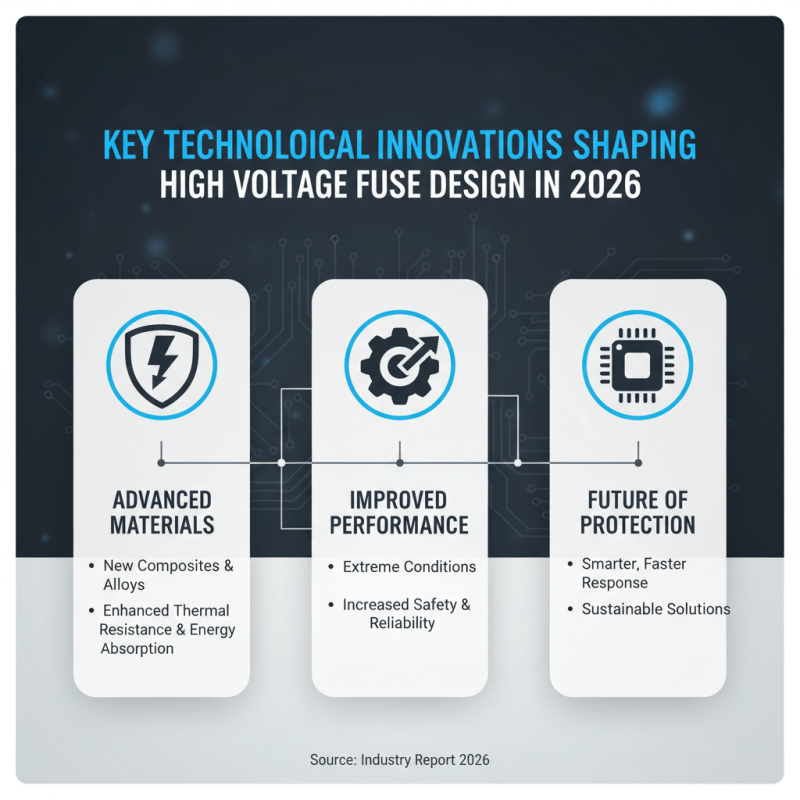
Key Technological Innovations Shaping High Voltage Fuse Design in 2026
As we look towards 2026, technological innovations in high voltage fuse design promise to reshape the industry. Advanced materials are becoming critical. For instance, new composites and alloys enhance thermal resistance and energy absorption. These materials offer better performance under extreme conditions, ensuring safety and reliability.
Smart technology integration plays a significant role, too. Enhanced monitoring systems allow real-time data collection. This leads to improved predictive maintenance, reducing downtime. Users can make informed decisions about fuse operations, minimizing outages. However, the learning curve for adopting this technology can be steep. Engineers must adapt to new tools and systems.
Another important aspect is sustainability. Eco-friendly designs are gaining traction and encouraging reduced environmental impact. Innovations like recyclable components may soon become standard. Still, balancing performance with sustainable practices poses challenges. Companies need ongoing evaluation of these practices to ensure effectiveness.
Analysis of Regulatory Changes Impacting High Voltage Fuse Adoption Globally
The landscape of high voltage fuse adoption is shifting due to various regulatory changes. Governments worldwide are implementing stricter safety standards. The International Electrotechnical Commission (IEC) published new guidelines in 2023. These changes aim to mitigate risks associated with electrical fires and equipment failures. Compliance with these standards is now critical for manufacturers seeking global market access.
Data from industry reports indicates a projected market growth of 6% annually for high voltage fuses by 2026. However, navigating the complex regulatory environment presents challenges. Many companies struggle to meet these evolving standards. A recent survey revealed that over 40% of manufacturers are not fully aware of the new regulations. This gap can hinder their ability to compete effectively.
Moreover, there is an increasing push for environmentally friendly solutions. Regulations are beginning to favor products with lower environmental impact. The disconnect between innovation and compliance could slow down progress. Companies must adapt. They need to invest in research and development while ensuring adherence to international standards. Balancing these demands is vital for success in the high voltage fuse market.
Market Segmentation: Applications and Key Industries for High Voltage Fuses
High voltage fuses play a crucial role in protecting electrical systems. Their applications span various industries, including power generation, transportation, and manufacturing. According to a recent market analysis, the global high voltage fuse market is projected to grow at a CAGR of 5.2% from 2022 to 2027. This growth is driven by increasing demand for reliable power distribution.
The power generation sector is the largest segment, accounting for over 40% of the market share. High voltage fuses protect transformers and substations, which are vital for maintaining grid stability. Transportation, particularly rail and electric vehicles, is another significant application. As cities expand, the need for efficient and safe electrical systems increases.
However, challenges persist. The market faces issues like the high cost of materials and frequent product failures in extreme conditions. Reports indicate that over 15% of fuse failures result from environmental factors. Manufacturers must focus on improving durability and reliability. This ongoing effort is essential to meet the evolving needs of key industries and ensure the safe operation of complex electrical systems.
2026 Top Trends in High Voltage Fuse for Global Buyers
| Application |
Key Industry |
Market Share (%) |
Growth Rate (%) |
| Renewable Energy |
Power Generation |
25 |
8 |
| Electric Vehicles |
Automotive |
20 |
10 |
| Industrial Equipment |
Manufacturing |
30 |
6 |
| Telecommunication |
Telecom |
15 |
7 |
| Data Centers |
Technology |
10 |
9 |
Sustainability Trends in High Voltage Fuse Production and Material Usage
Sustainability is reshaping high voltage fuse production. Many manufacturers are exploring eco-friendly materials. This shift not only reduces environmental impact but also meets growing consumer demand for greener alternatives.
Using recycled materials can lower costs. However, sourcing high-quality recycled components remains challenging. Suppliers must ensure reliability while being environmentally conscious. This balance is crucial for progress.
Tips: Assess supplier practices for sustainability. Verify the use of recycled materials in production. Collaborate with manufacturers focused on reducing their carbon footprint. Keep pace with industry trends for timely improvements.
2026 Top Trends in High Voltage Fuse Production