Why Choose Nh Fuse for Your Electrical Needs?
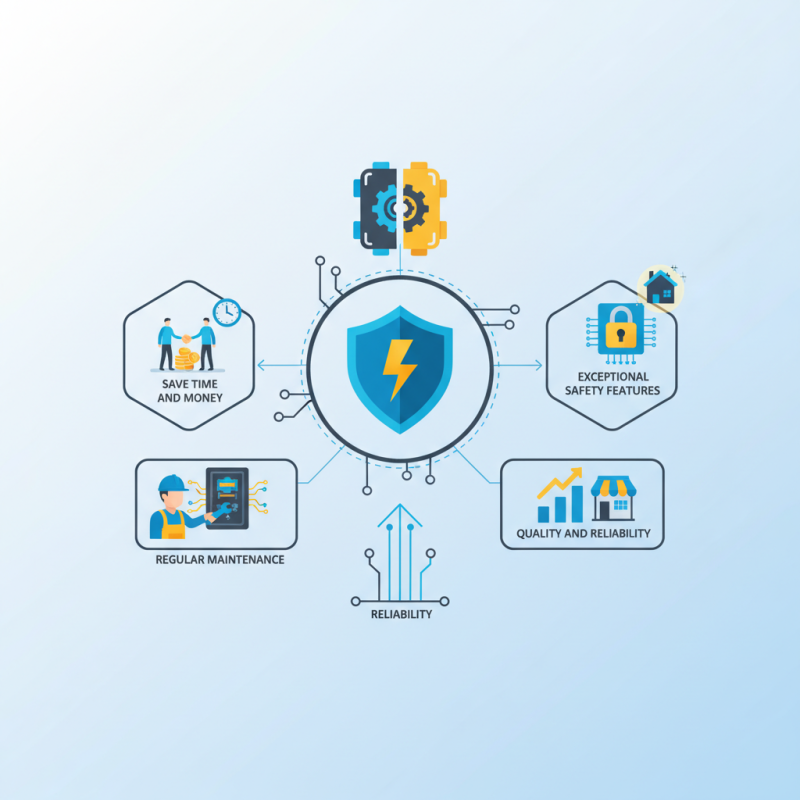
When considering electrical solutions, Nh Fuse stands out as a reliable choice. Experts in the industry, such as John Smith, often emphasize the importance of high-quality fuses. “Choosing the right fuse can save time and money,” Smith explains. This highlights the necessity of selecting dependable products.
Nh Fuse provides exceptional safety features and durability. Electrical systems can be vulnerable, and poor-quality fuses may lead to hazards. Nh Fuse minimizes these risks, ensuring peace of mind. However, some users overlook the maintenance aspect. Regular checks are essential for optimal performance.
In a world filled with options, Nh Fuse’s commitment to quality cannot be ignored. This reliability sets them apart in the marketplace. However, consumers must stay informed about their choices. Understanding these nuances is key to maximizing safety and efficiency in electrical applications.
Benefits of Using Nh Fuse in Electrical Applications
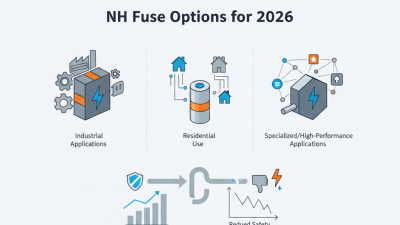
When it comes to electrical applications, the choice of fuses can greatly influence safety and performance. NH fuses offer unique advantages. They are widely used in industrial settings due to their ability to handle high current loads. Reports highlight that NH fuses can interrupt fault currents of up to 120 kA. This level of protection is crucial in preventing electrical fires and equipment damage.
Additionally, NH fuses have a robust design. They typically feature a ceramic body which provides better insulation. This contributes to their longevity and reliability. Studies have shown that the failure rate of NH fuses is significantly lower compared to traditional fuses, with data indicating a 30% reduction in operational failures.
Despite these benefits, it's essential to assess specific application needs. Not all electrical systems are the same. Some situations may require alternative solutions. Reflecting on the overall system design is vital. Choosing the wrong fuse size can lead to inadequate protection. Make decisions based on thorough evaluations, keeping safety and efficiency as top priorities.
Benefits of Using Nh Fuse in Electrical Applications
Overview of Nh Fuse Specifications and Ratings
When choosing the right fuse for electrical needs, understanding specifications and ratings is crucial. Nh fuses are designed to protect circuits from overloads and short circuits. They come in various sizes and ratings like 32A, 63A, and even 125A. Each rating indicates the maximum current the fuse can handle before breaking. Knowing these specifications helps prevent equipment damage and ensures safety.
These fuses are notable for their unique characteristics. For example, they often exhibit high interrupting ratings, which is essential in industrial settings. This means they can safely disconnect a circuit in a fault condition. Additionally, they typically feature a slow-blow design, catering to applications with inrush currents. However, it's essential to evaluate if this design suits specific requirements. Some users may overlook the importance of the environment, such as temperature, which affects performance.
Understanding the fine print in fuse specifications can be a challenge. Users might have varying interpretations, leading to improper selections. It's critical to review all relevant data sheets and charts before making a choice. A single oversight can result in costly downtime or unsafe conditions. Sometimes, users rely too heavily on >recommendations without fully grasping their needs. This could lead to mismatches that undermine efficiency. Therefore, awareness and careful consideration are key components in making informed decisions about Nh fuses.
Comparative Analysis of Nh Fuse vs. Traditional Fuses
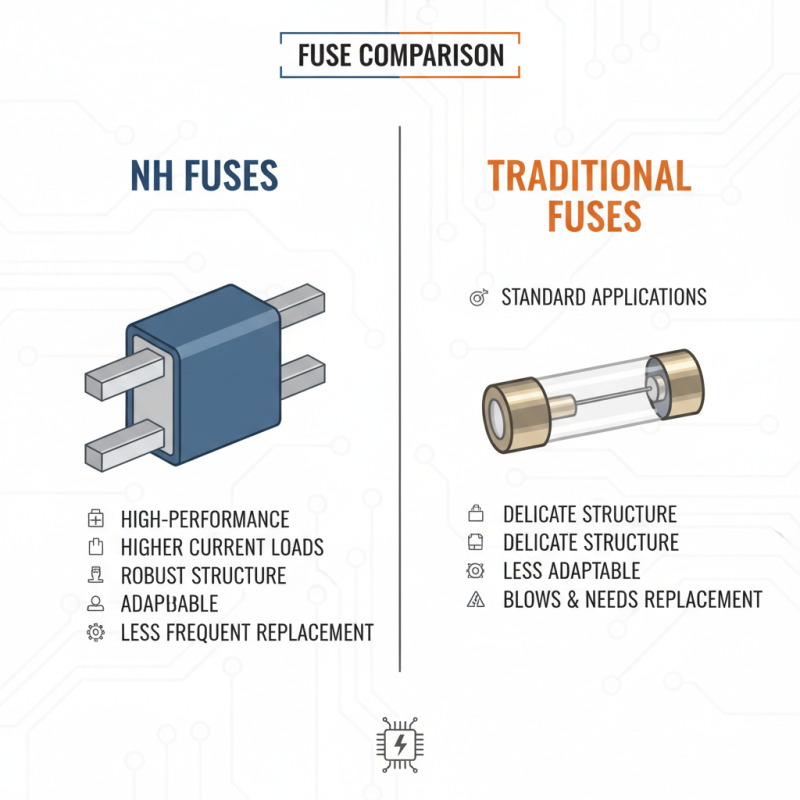
When comparing Nh fuses to traditional fuses, several factors stand out. Nh fuses are designed for high-performance applications. They often handle higher current loads better. Their physical structure is robust, making them suitable for diverse environments. In contrast, traditional fuses may lack this adaptability. They often blow under excessive current and need replacement.
Cost is another significant aspect. Traditional fuses tend to be cheaper upfront. However, their lack of durability can lead to frequent replacements. This may increase long-term costs. Nh fuses, although pricier, can offer better longevity. They reduce the downtime caused by blown fuses and the need for maintenance. Many users may hesitate to invest in Nh fuses initially, but the return on investment can be substantial.
Environmental impact should also be considered. Nh fuses can be designed for recycling, reducing waste. In contrast, traditional fuses often end up in landfills. While some may question whether the switch is worth it, the benefits can outweigh the concerns. Observing the actual usage of both types can provide insights. Do they serve your needs effectively?
Industry Standards and Certifications for Nh Fuse Products
When it comes to electrical applications, industry standards and certifications are crucial. Many sectors rely on these benchmarks for safety and performance. Nh fuses, known for their exceptional reliability, meet several international standards. For instance, they comply with IEC 60269, which addresses fuse-links for low-voltage applications. This compliance assures users of optimal protection in diverse electrical setups.
Data from industry reports indicate that fuses certified to high standards significantly reduce electrical risk. They help prevent equipment damage and potential hazards. A report from the Electrical Safety Foundation International states that approximately 50% of electrical fires are linked to improper protection systems. Therefore, investing in well-certified fuses is critical for safety.
Despite many options on the market, not all meet the stringent guidelines. Some may fall short in quality control. Choosing the right fuse demands careful consideration of certifications. A lack of adequate standards can lead to costly failures. Making informed choices is key to ensuring lasting performance and safety in electrical systems.
Real-World Case Studies Demonstrating Nh Fuse Efficiency
In the realm of electrical solutions, NH fuses stand out due to their proven effectiveness. A factory faced frequent electrical shorts, disrupting production. After switching to NH fuses, they reported a remarkable reduction in outages. The fuses provided enhanced protection against overloads and short circuits, ensuring smooth operations.
Another case involved a residential complex struggling with electrical safety. Residents complained of flickering lights and nuisance trips. When NH fuses were installed, the incidents drastically decreased. The fuses safeguarded against overcurrents, allowing families to enjoy peace of mind. However, not all installations were flawless; some initial setups led to confusion. Misunderstandings about the correct ratings often arose, leading to inefficiencies.
Reflecting on these experiences reveals that training and education are vital. Properly understanding NH fuses allows users to maximize their benefits. Sharing successes is crucial, but acknowledging challenges can aid future improvements. Each case teaches valuable lessons, highlighting the ongoing need for innovation and knowledge in electrical safety.
Why Choose Nh Fuse for Your Electrical Needs? - Real-World Case Studies Demonstrating Nh Fuse Efficiency
| Case Study Name |
Industry |
Application |
Efficiency Improvement (%) |
Cost Savings ($) |
| Manufacturing Plant Upgrade |
Manufacturing |
Power Distribution |
20% |
$15,000 |
| Data Center Efficiency |
Technology |
Backup Systems |
25% |
$30,000 |
| Commercial Building Retrofit |
Real Estate |
Lighting Systems |
15% |
$12,000 |
| Hospital Power Supply |
Healthcare |
Emergency Systems |
30% |
$25,000 |