How to Choose the Best Zinc Oxide Arrester for Your Needs?
Choosing the right Zinc Oxide Arrester is crucial for effective electrical protection. Recent industry reports indicate that improper selection can lead to significant failures in power systems. In fact, a study by the IEEE found that over 30% of electrical disruptions are directly linked to inadequate surge protection.
Zinc Oxide Arresters are essential for safeguarding electrical infrastructure. They provide reliable overvoltage protection, which is vital for equipment longevity. According to the NEMA, using high-quality arresters can reduce maintenance costs by up to 40%. However, understanding the specifications and application areas can be challenging.
When selecting a Zinc Oxide Arrester, consider factors such as voltage ratings, response times, and environmental conditions. While many products are available, not all meet industry standards. This highlights the importance of informed decision-making. Opt for models with proven reliability and positive industry reviews. Reflecting on these elements can make a substantial difference in achieving effective surge protection.
Understanding Zinc Oxide Arresters and Their Importance
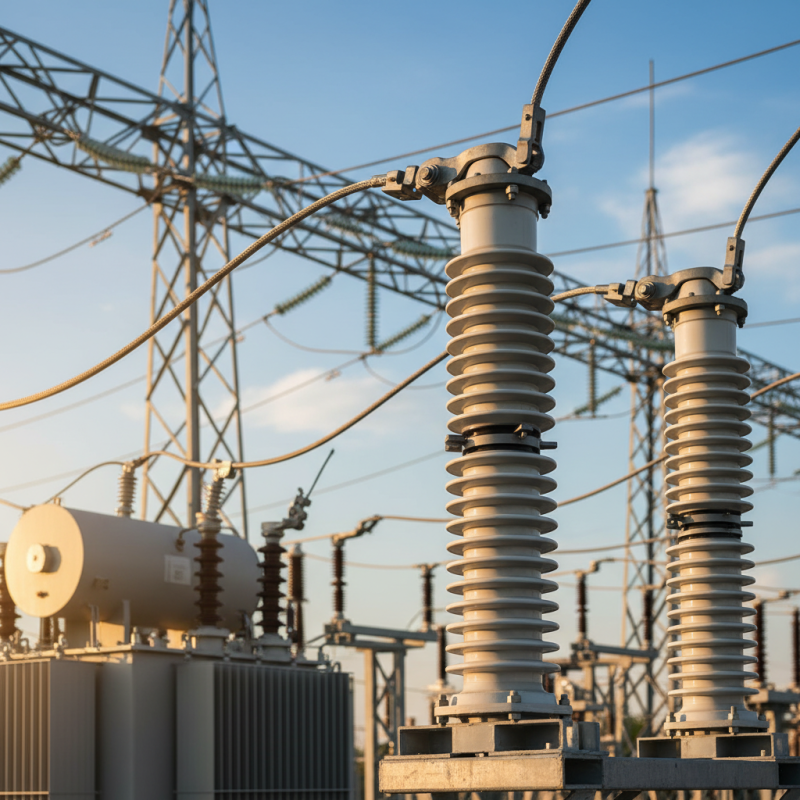
Zinc oxide arresters play a crucial role in protecting electrical systems from voltage surges. These devices are essential components of modern electrical infrastructure. They shield sensitive equipment from lightning strikes and switching surges. According to the IEEE (Institute of Electrical and Electronics Engineers), improper surge protection can lead to equipment failures costing businesses thousands in repairs.
Understanding the significance of zinc oxide arresters is vital. They operate by diverting excess voltage to the ground. This prevents damage to electrical circuits. A study published by the Electric Power Research Institute (EPRI) highlighted that systems equipped with zinc oxide arresters have a 30% lower failure rate compared to those without.
Choosing the right zinc oxide arrester involves understanding your electrical system needs. Factors like operating voltage and environmental conditions matter. In extreme weather, arresters face additional strain. Regular maintenance and evaluation are necessary to ensure effectiveness. Ignoring these aspects can compromise the safety of your entire electrical setup.
Key Factors to Consider When Choosing a Zinc Oxide Arrester
When selecting a zinc oxide arrester, several key factors need careful consideration. First, the voltage rating is critical. It should match or exceed the system's maximum operating voltage. For instance, a voltage rating of 10 kV is common for many applications, particularly in urban settings. This ensures adequate protection against electrical surges.
Another important factor is the energy absorption capability. A zinc oxide arrester's ability to handle transient surges can significantly impact system stability. According to industry reports, the best models can absorb upwards of 20 kJ of energy. This capability minimizes outages and equipment damage during surges.
The environmental conditions where the arrester will be installed should not be overlooked. Corrosive environments can deteriorate the arrester materials quickly. Research indicates that poor environmental selection can shorten the arrester's lifespan by up to 30%. Additionally, consider the arrester's coordination with other protection devices. This might require expert assessments to ensure optimal performance and safety.
How to Choose the Best Zinc Oxide Arrester for Your Needs?
This chart illustrates important factors to consider when selecting a zinc oxide arrester. The dimensions include voltage rating, energy discharge, clamping voltage, temperature range, and response time. Each of these attributes plays a critical role in ensuring the effectiveness and reliability of zinc oxide arresters in various applications.
Exploring Different Types of Zinc Oxide Arresters Available
When exploring different types of zinc oxide arresters, it is essential to consider their applications. Zinc oxide arresters are commonly used in electrical systems to protect against voltage surges. They come in various forms, including metal-oxide surge arresters and composite designs. Each type has unique features that cater to specific needs.
Understanding the difference between these arresters helps in making an informed choice. Metal-oxide surge arresters offer high thermal stability, making them suitable for outdoor applications. Composite designs, on the other hand, are lightweight and can be more cost-effective.
Many users may overlook the installation conditions. It's crucial to evaluate the environment where the arrester will be placed. For instance, high humidity or extreme temperatures can affect performance. Reflecting on these aspects helps ensure that the selected arrester meets operational demands. Choosing the right type requires careful thought and assessment of real-world conditions.
How to Choose the Best Zinc Oxide Arrester for Your Needs? - Exploring Different Types of Zinc Oxide Arresters Available
| Type of Zinc Oxide Arrester |
Nominal Voltage (kV) |
Energy Capacity (kJ) |
Response Time (ns) |
Application Area |
| Distribution Class Arrester |
8 - 15 kV |
5 - 10 kJ |
100 |
Power Distribution Systems |
| Station Class Arrester |
15 - 33 kV |
10 - 20 kJ |
70 |
Electrical Substations |
| Surge Protective Device (SPD) |
1 - 7 kV |
2 - 5 kJ |
10 |
Telecommunications |
| Medium Voltage Arrester |
5 - 15 kV |
3 - 7 kJ |
50 |
Renewable Energy Applications |
| High Voltage Arrester |
33 - 765 kV |
20 - 200 kJ |
1000 |
Transmission Lines |
Evaluating the Right Specifications for Your Specific Needs
When selecting a zinc oxide arrester, understanding its specifications is crucial. Key factors include voltage ratings, energy absorption capacity, and response time. According to a recent industry report, an arrester with a voltage rating exceeding system voltage by 20% improves reliability. This ensures effective protection against voltage spikes.
Energy absorption capacity is another important criterion. Devices with a higher capacity can handle larger surges, safeguarding sensitive equipment. Industry analysis shows that arresters with at least 20 kA rating are preferred in heavy industrial applications. Additionally, response time can vary. A quicker response minimizes disruptions, making it essential for critical infrastructure.
Users often overlook maintenance needs. While choosing an arrester, consider the accessibility for periodic checks. Regular inspections can prevent unforeseen failures. Be cautious about selecting arresters that lack clear maintenance protocols. Through this lens, users can better tailor their choice to meet specific operational environments. Evaluating these specifications thoroughly allows for more reliable protection and enhanced system performance.
Tips for Maintenance and Installation of Zinc Oxide Arresters
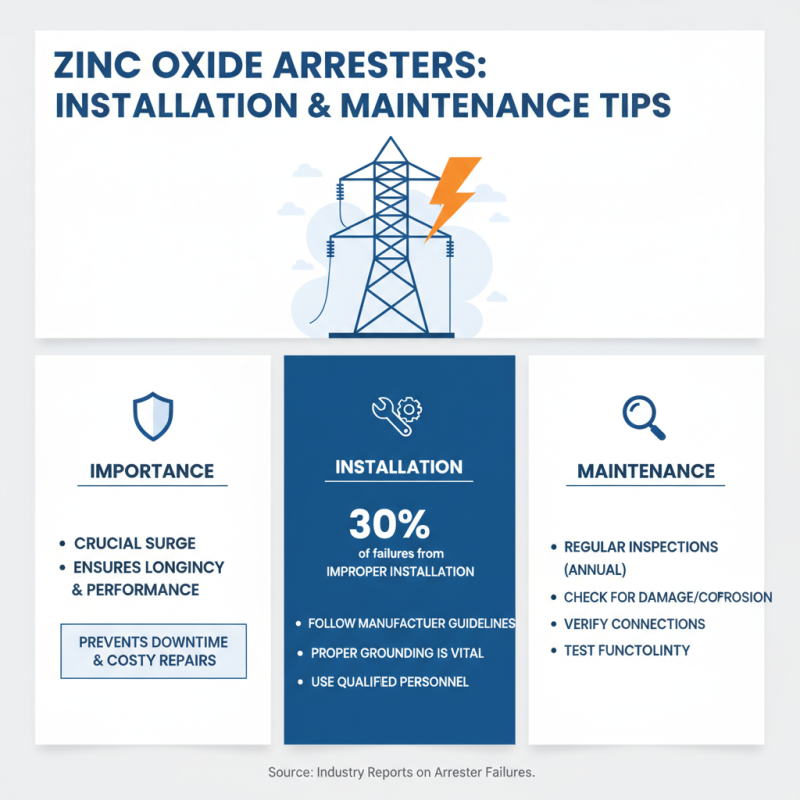
Zinc oxide arresters are crucial for effective surge protection in electrical systems. Proper installation and maintenance ensure their longevity and optimal performance. Regular inspections are key. According to industry reports, 30% of failures in arresters arise from improper installation. This can lead to significant downtime and repair costs.
For installation, ensure a clean and dry environment. Improper grounding can affect performance. Follow the manufacturer's specifications closely. Tighten connections, but avoid over-torquing. Humidity and temperature variations can impact the arrester's functionality, making it vital to assess environmental factors.
Maintenance should be routine. Periodic testing is recommended every 2-3 years to verify functionality. Look for signs of corrosion or wear on external components. Addressing small issues early can prevent larger, costly failures later. Data suggests that timely interventions can extend the lifespan of arresters by up to 40%. Regularly updating your knowledge on advancements in technology can also be beneficial.