How to Choose Ceramic Fuses at the 139th Canton Fair?
The upcoming 139th Canton Fair in April 2026 offers a unique opportunity for manufacturers and buyers to connect. One of the key products in focus will be the Ceramic Fuse. According to industry reports, the global fuse market is expected to reach USD 10 billion by 2025, driven by rising demand in electronics and electrical sectors. Understanding how to choose the right Ceramic Fuse is crucial for ensuring safety and efficiency in electrical systems.
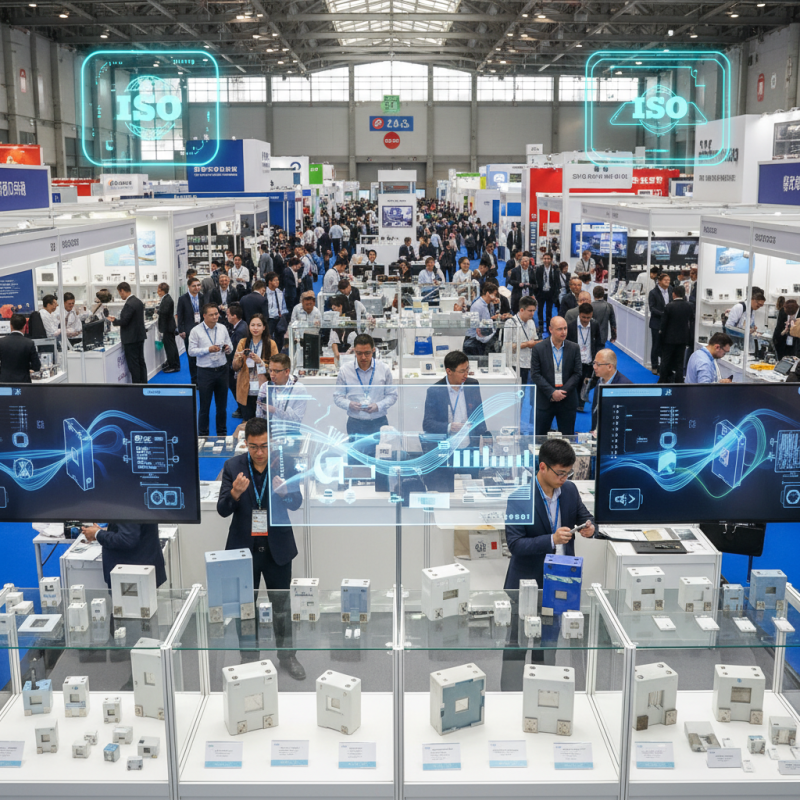
The introduction of AI-driven search and navigation at the fair enhances the experience for buyers. They can quickly find suppliers who meet important certifications such as ISO and CE. This efficiency is vital in a vast exhibition space of 1.55 million square meters. However, some may overlook the finer details. For instance, choosing a Ceramic Fuse requires knowledge of its rating and application. These specifications can greatly affect the performance of electrical devices.
While the fair provides a platform for showcasing innovation, challenges remain. For example, not all suppliers may have transparent data on their products. Potential buyers should remain vigilant and seek out complete information. Each decision related to Ceramic Fuses impacts overall safety and compliance, highlighting the importance of informed choices at the fair.
Understanding the Basics of Ceramic Fuses
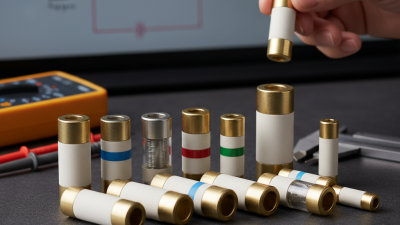
Ceramic fuses are essential components in electrical systems. They protect circuits from overloads and short circuits. Understanding their basics helps in making informed choices, especially at events like the Canton Fair.
When selecting ceramic fuses, consider their ratings. These ratings indicate the maximum current a fuse can carry. Selecting a fuse with too high a rating may risk damage to your devices. Conversely, a fuse rated too low can blow too frequently, causing unnecessary interruptions. Look for fuses that match your equipment's specifications closely.
Another crucial aspect is the fuse's response time. Fast-acting fuses respond quickly to electrical faults. They are ideal for sensitive electronics. On the other hand, slow-blow fuses tolerate short surges of current. This feature is helpful for devices with high startup currents. Balancing these factors requires careful thought. Reflect on your needs and the equipment involved.
Understanding Ceramic Fuse Types and Their Ratings
Key Specifications to Consider When Selecting Ceramic Fuses
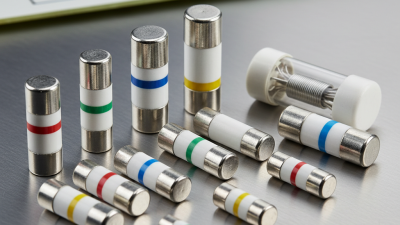
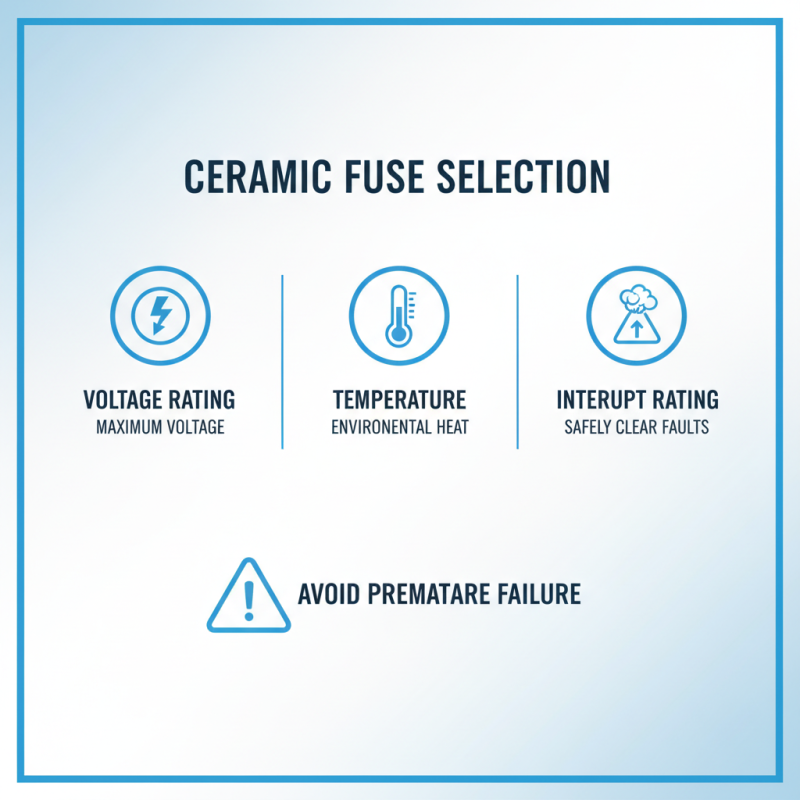
When selecting ceramic fuses, several key specifications should be considered. The voltage rating is essential. It indicates the maximum voltage the fuse can handle without failing. A fuse rated too low may blow prematurely. Think about the environment where the fuse will be used. High temperatures can affect performance.
Current rating is another critical factor. It determines how much current a fuse can carry before it opens. It’s important to choose a current rating that aligns with your application’s needs. If the chosen rating is too high, it may not provide adequate protection. Materials and construction also matter. High-quality ceramics enhance durability and efficiency.
Pay attention to the fuse's dimensions. A poorly sized fuse may not fit correctly in the circuit. Additionally, check the melting characteristics. Some fuses react more quickly than others, which can influence performance. Consider these aspects carefully, as they can significantly impact the functionality of your circuit protection solutions. Reflect on your choices, as making the wrong selection may lead to device failures or safety hazards.
Evaluating Quality and Performance of Ceramic Fuses
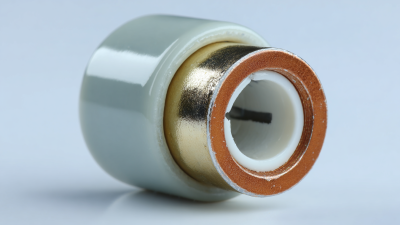
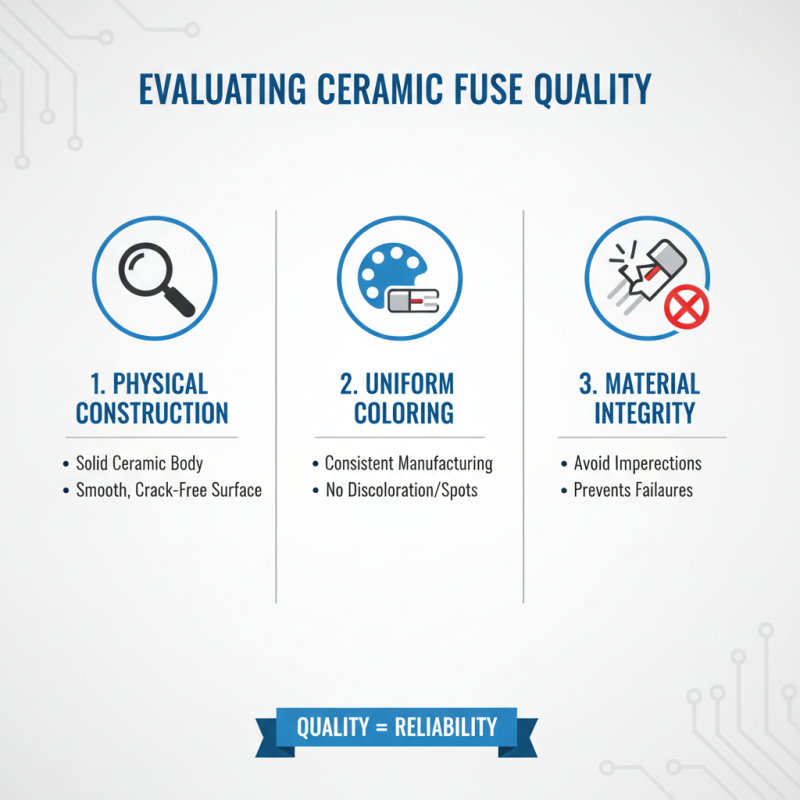
When evaluating the quality and performance of ceramic fuses, start by inspecting their physical construction. Good quality fuses should have a solid ceramic body. The surface should feel smooth and free from cracks. Look for uniform coloring, which often indicates consistent manufacturing processes. Remember, imperfections in the material can lead to failures.
Next, check the specifications. Understand the rated voltage and current. Use fuses that match your equipment needs. Overrated fuses can fail to protect. Under-rated fuses may blow too often. Also consider the breaking capacity. Higher breaking capacity fuses can handle short circuits better. This is vital for safety.
Testing chemical and thermal resistance is also crucial. Expose sample fuses to different temperatures. Does the fuse maintain its integrity? This can show how it performs in real life. Keep in mind, finding quality ceramic fuses can require some trial and error. It's about identifying what truly meets your needs. Not every fuse labeled as "high quality" will perform as expected. Reflect on your experiences to improve future selections.
Common Applications of Ceramic Fuses in Industry
Ceramic fuses play a crucial role in various industrial applications. They protect electrical circuits from overloads and short circuits. These fuses are known for their ability to withstand high temperatures. In many factories, they are used in motor protection. Motors often experience surges that can damage circuits, and ceramic fuses can effectively prevent this.
Another area where ceramic fuses shine is in household appliances. Devices like washing machines and microwaves rely on these fuses for safety. If a fault occurs, the fuse will blow, preventing further damage. It's important to choose the right ratings when selecting fuses. Many people overlook this aspect, leading to inefficient protection.
One needs to think critically. Not all fuses are the same. Some may not provide adequate protection in specific scenarios. Additionally, installation can be tricky. Incorrect installation can lead to failures. Reflecting on these details is essential for proper usage. Proper understanding of applications will enhance safety and efficiency.
How to Choose Ceramic Fuses at the 139th Canton Fair? - Common Applications of Ceramic Fuses in Industry
| Application |
Rated Voltage (V) |
Rated Current (A) |
Melting Characteristics |
Response Time |
| Motor Protection |
250 |
16 |
Slow Blow |
10-60 sec |
| Power Supply Units |
500 |
10 |
Fast Acting |
< 1 sec |
| Lighting Circuits |
230 |
6 |
Slow Blow |
15-30 sec |
| Electrical Appliances |
400 |
20 |
Fast Acting |
< 1 sec |
| Industrial Equipment |
600 |
25 |
Slow Blow |
30-90 sec |
Tips for Finding Reliable Suppliers at the Canton Fair
Finding reliable suppliers at the Canton Fair is crucial for successful sourcing, especially for ceramic fuses. The fair hosts thousands of exhibitors. Navigating this vast selection can be overwhelming. Pay attention to the quality of the products on display. The best suppliers often showcase rigorous testing data and certifications.
One effective strategy is to look for suppliers with a strong industry presence. According to recent industry reports, suppliers with over five years of experience tend to provide better quality products. Consider their track record in meeting safety standards. Engage with potential suppliers to understand their production capabilities. This reveals a lot about their reliability.
Additionally, don’t overlook the importance of communication. Ask questions and observe their responsiveness. Slow responses may indicate a lack of professionalism. You might face language barriers, which could complicate discussions. Take notes and request clarifications when needed. Trust your instincts; if something feels off, it might be worth exploring other options. The array of choices at the fair is immense, so it can be easy to feel rushed. Take your time to build trustworthy connections.