How to Choose the Right Medium Voltage Fuse for Your Needs?
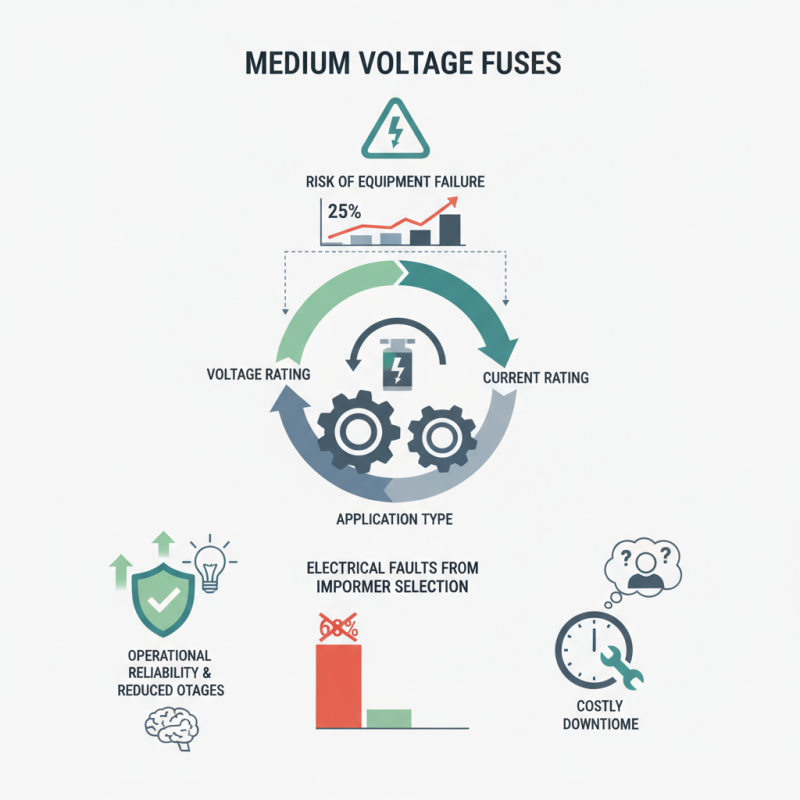
Choosing the right Medium Voltage Fuse is crucial for ensuring electrical system safety and efficiency. According to a recent report by the International Electrotechnical Commission (IEC), improper fuse selection can increase the risk of equipment failure by up to 25%. This statistic highlights the importance of understanding the specifications and operational requirements of Medium Voltage Fuses in various applications.
The selection process involves various factors, such as voltage rating, current rating, and application type. Medium Voltage Fuses are designed to provide reliable overcurrent protection in electrical distribution systems, but not all fuses are created equal. Data from industry analyses indicate that 60% of electrical faults could be traced back to inappropriate fuse selection. This emphasizes the need for detailed assessments before making a choice.
It is also essential to recognize the limitations of available options. Not every Medium Voltage Fuse will fit every scenario, and understanding the nuances can prevent costly downtime. Many professionals overlook critical factors during selection. Addressing these gaps in knowledge could enhance operational reliability and reduce unplanned outages.
Understanding Medium Voltage Fuses and Their Importance
Medium voltage fuses play a crucial role in electrical systems. They protect equipment from overloads and short circuits. Choosing the right fuse ensures safety and functionality. According to a report by the International Electrotechnical Commission, over 30% of electrical failures are linked to inadequate protection devices. This highlights the importance of selecting the right medium voltage fuse.
Medium voltage systems generally operate between 1 kV and 35 kV. Fuses in this category vary widely in design and application. A study from the Institute of Electrical and Electronics Engineers indicates that using the correct fuse can reduce equipment downtime by 20%. However, many users overlook specifications, leading to potential safety risks. The implications of a poor choice can be significant, ranging from equipment damage to costly repairs.
Understanding factors like voltage rating, current rating, and breaking capacity is vital. Each application may require a different fuse type. Yet, the logic of choosing based on these factors is often ignored. Many installations still use outdated fuses without adequate assessment. This creates room for errors and potential hazards. Proper training and research can mitigate these issues.
Identifying Your Electrical System Specifications and Requirements
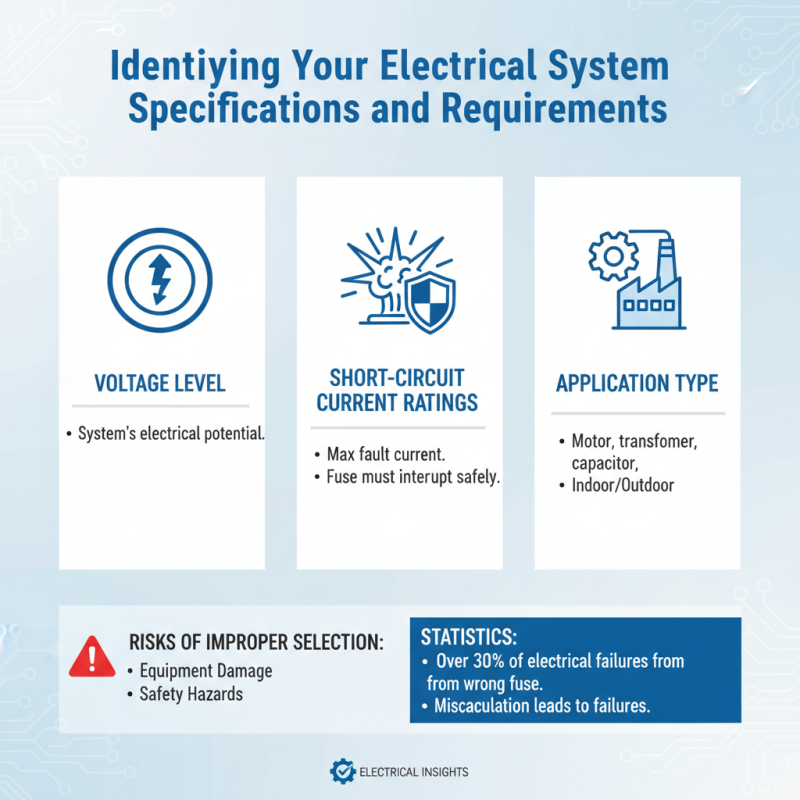
When selecting the right medium voltage fuse, understanding your electrical system specifications is crucial. Assess the voltage level, short-circuit current ratings, and application type of your system. According to industry reports, miscalculating these parameters can lead to equipment damage and safety hazards. Research indicates that over 30% of electrical failures stem from improper fuse selection.
Consider the environment where the fuse will operate. Conditions such as temperature, humidity, and potential exposure to corrosive substances can impact the performance of a fuse. If your environment is harsh, look for fuses specifically designed for durability. Many standard fuses may not withstand extreme conditions.
**Tips**:
- Always verify the manufacturer's specifications.
- Keep installation and maintenance records to ensure your system's safety.
- Use tools that help calculate the maximum short-circuit currents.
Prioritize safety by ensuring that the chosen fuse adheres to relevant industry standards. Sometimes, older systems may not be compatible with current fuse designs. In these cases, conducting thorough research and consulting with experts in the field is essential. Regular assessments and updates can prevent costly downtime and failures.
Evaluating Different Types of Medium Voltage Fuses
When selecting medium voltage fuses, understanding the types available is crucial. There are two main categories: expulsion fuses and current-limiting fuses. Expulsion fuses are generally cost-effective. They can interrupt fault currents and often contain a mechanism to expel the arc. However, their performance in certain applications may be limiting, requiring careful assessment of the system's dynamics.
Current-limiting fuses, on the other hand, can react faster to overloads. They reduce the energy let-through during short circuits. This capability can be vital in protecting sensitive equipment. Their complexity and higher cost can be a consideration, depending on the application needs. Each type has pros and cons, and you must weigh these against your operational requirements.
When making a choice, consider factors like voltage rating, load characteristics, and environmental conditions. Contamination and humidity can impact fuse performance. There is no one-size-fits-all solution. Reflecting on specific operational contexts is essential to ensure reliability and safety. Engaging with technical literature or consulting experts can provide further insights.
Key Considerations for Fuse Ratings and Interrupting Capacity
Choosing the right medium voltage fuse involves understanding fuse ratings and interrupting capacity. A fuse rating indicates its maximum load. Overrating can lead to equipment damage. An underrated fuse can fail to protect the circuit.
Interrupting capacity is crucial. It refers to the maximum fault current a fuse can safely interrupt. A fuse must handle possible short circuits. Not considering these factors can lead to circuit failures or safety hazards.
It’s also essential to review your specific application. Different environments can affect fuse performance. For example, high temperatures may require different ratings. Reflecting on these details helps avoid costly mistakes in the long run. Evaluating your needs is not always straightforward. Careful assessment can prevent issues down the line.
Medium Voltage Fuse Ratings and Interrupting Capacity
Installation and Maintenance Tips for Optimal Fuse Performance
When it comes to medium voltage fuses, installation is key. Begin by ensuring the working environment is clean and dry. Dust and moisture can compromise a fuse’s effectiveness. The temperature in the installation area should also be stable, as extreme conditions could lead to performance issues. Proper positioning of the fuse is crucial. It should be accessible for future maintenance tasks, yet safely tucked away from daily operations.
During installation, double-check all connections. Loose connections can lead to overheating or failures. Consider using tightening torques that are recommended in installation guides. Once installed, regular maintenance checks are vital. Schedule inspections of the fuses and surrounding areas. Look for any signs of wear or corrosion. This proactive approach helps avoid unexpected failures.
While maintenance may seem straightforward, it's often neglected. Some may overlook the need for periodic testing. Use tools to check if the fuses are operating correctly. Monitoring the ambient conditions again is important. If temperatures fluctuate greatly, the fuse could work outside its optimal range. Reflecting on these factors can enhance overall system reliability.