Essential Tips for Choosing Medium Voltage Fuse Options?
Choosing the right Medium Voltage Fuse is crucial for operational efficiency and safety. The global market for medium voltage equipment is projected to reach $49.6 billion by 2026, growing at a CAGR of 4.8% from 2020 to 2026. This growth underscores the importance of selecting the right components, like fuses, which play a vital role in electrical systems.
Medium Voltage Fuses protect equipment from overcurrents and faults. They help prevent damage and ensure system reliability. However, with numerous options available, making the right choice can be daunting. Common mistakes include underestimating ampacity requirements or not considering environmental factors.
Data from the International Electrotechnical Commission highlights that improper fuse selections lead to increased downtime and costly repairs. Businesses must weigh various factors, including fuse ratings, response time, and operating conditions. A thorough understanding of these elements can prevent costly errors and improve safety standards in electrical installations. Evaluating all available Medium Voltage Fuse options is essential for achieving optimal performance.
Understanding Medium Voltage Fuse Types and Functions
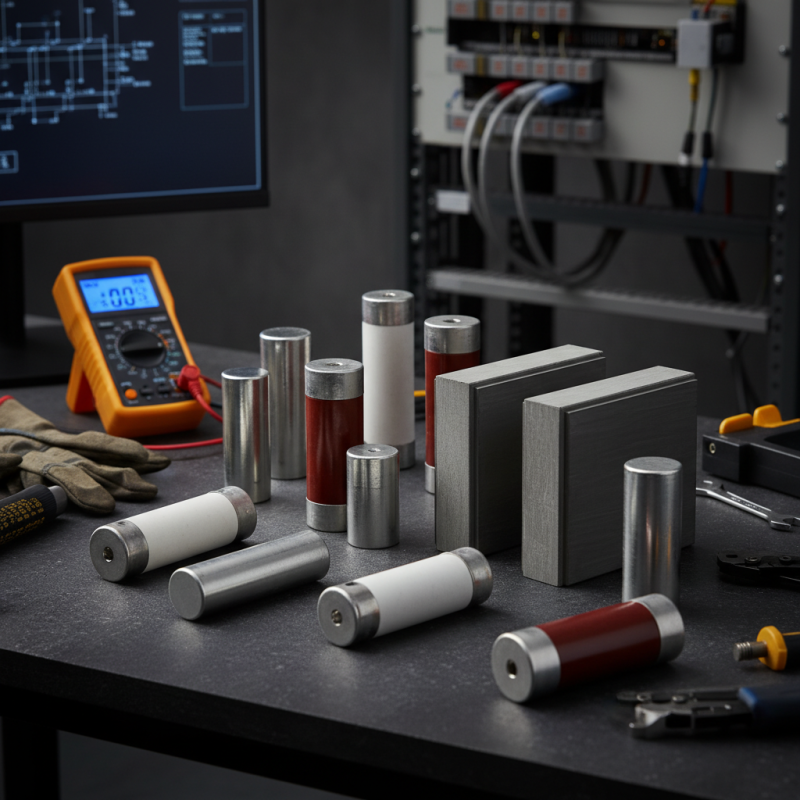
Selecting the right medium voltage fuse requires understanding the various types available. Each type serves a unique function. For instance, the expulsion fuse is effective for high fault conditions. It allows for automatic operation, making it a popular choice in outdoor applications. Conversely, current-limiting fuses provide protection against overloads but may not reset automatically after a fault occurs.
When considering medium voltage fuses, think about the installation environment. Outdoor fuses must resist weather elements. Indoor fuses need robust isolation and accessibility for maintenance. Assessing your specific needs can save time and costs in the long run.
Tip: Always check the fuse ratings against your system requirements. Underrating can lead to failures, while overrated fuses might not provide adequate protection. Consult with professionals to ensure proper selection. Balancing cost with reliability is crucial. Prioritize quality over savings whenever possible; cheaper options may lead to safety risks.
Essential Tips for Choosing Medium Voltage Fuse Options
| Fuse Type |
Voltage Rating (kV) |
Current Rating (A) |
Application |
Advantages |
| E-Rated Fuse |
15-38 kV |
100-1200 A |
Distribution Systems |
High interrupting capacity |
| Current-Limiting Fuse |
5-15 kV |
25-600 A |
Motor Protection |
Reduces thermal and mechanical stress |
| Rupture Indicator Fuse |
12-24 kV |
50-400 A |
Substation Protection |
Visual indication of operation |
| Dual Function Fuse |
15-35 kV |
200-800 A |
Transformers |
Overcurrent and time-delay protection |
Factors to Consider When Selecting Medium Voltage Fuses
When selecting medium voltage fuses, several critical factors require careful consideration. Reliability is paramount. The fuse must withstand high voltages without failing, ensuring safety and performance. Examine the voltage rating and interrupting capacity to prevent potential hazards. Keep in mind that an incorrect choice could cause system failures or dangerous conditions.
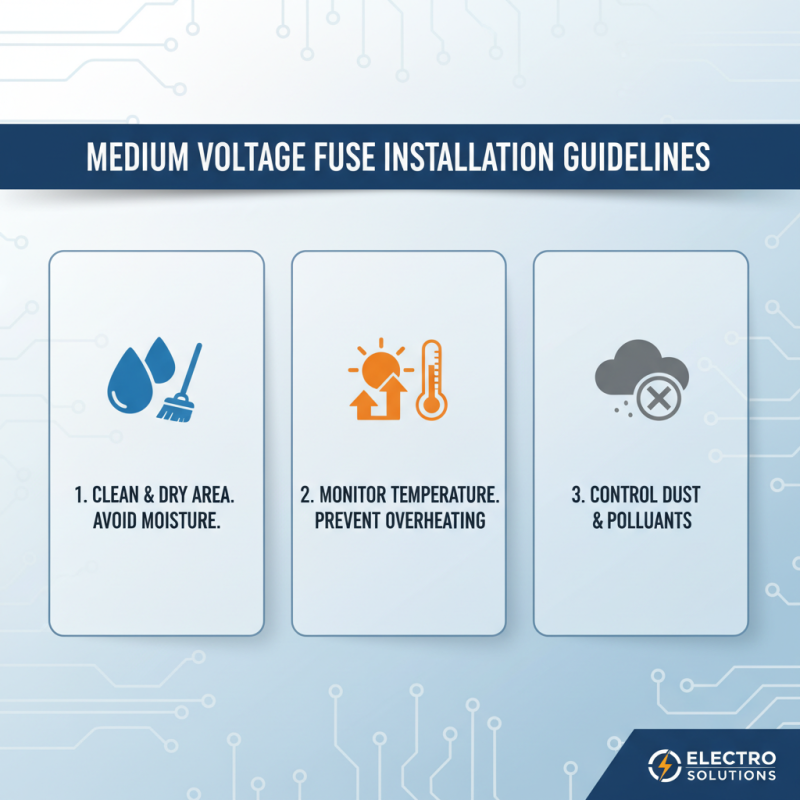
Another aspect to consider is the environment. Fuses must operate efficiently in varying temperatures and conditions. Factors like humidity and exposure to contaminants affect performance. Analyze the installation area to prevent unexpected problems. Make sure to consult specifications from reliable sources related to environmental suitability.
Cost can also be a significant factor. While cheaper options may seem attractive, evaluate their long-term reliability. Inexpensive fuses might not provide the necessary protection, leading to higher maintenance costs. Balancing budget with quality is crucial. Ignoring this could impact your electrical system adversely. Always reflect on the long-term costs associated with your fuse selection.
Comparative Analysis of Fuse Ratings and Their Applications
Choosing the right medium voltage fuse is crucial for ensuring system reliability. A comparative analysis of fuse ratings reveals significant differences in performance and application. Various reports, such as those from the Institute of Electrical and Electronics Engineers (IEEE), suggest that fuses rated for 15kV to 27kV are standard for most industrial settings. However, many users overlook the importance of
cycle endurance and fault current limitations.
Understanding the specific application is vital. For instance, fuses used in transformer protection require fast response times. According to recent studies, a delay in fuse operation can lead to costly equipment damage. Also, the temperature rating of fuses can affect their performance. A higher ambient temperature can decrease reliability and increase the risk of failure. Neglecting these factors could result in suboptimal choices.
Additionally, testing methodologies reveal that many installations do not meet industry standards. A surprising statistic shows that nearly 30% of medium voltage systems suffer from inadequate fuse selection. Thus, understanding the nuances of ratings and their implications is essential for effective system protection. The data indicates that even minor oversights in fuse selection can lead to critical vulnerabilities. Proper analysis ensures optimal operational safety.
Maintenance and Testing Best Practices for Medium Voltage Fuses
Maintenance of medium voltage fuses is crucial for reliable operation. Regular inspections help identify signs of wear and damage. Look for discoloration or physical deformation on the fuse body. These issues can signal that the fuse has been compromised. Ensuring cleanliness in the surrounding environment can also prevent unnecessary damage. Dust and moisture can cause malfunctions over time.
Testing medium voltage fuses requires specific protocols. It’s essential to use appropriate equipment to measure the fuse's integrity. Periodic testing checks fuse functionality and can identify hidden failures. A simple continuity test could reveal unexpected results. Documenting these tests contributes to a better maintenance history. It also aids in understanding patterns of failure, which can improve future decisions.
Proper training for personnel handling maintenance is often overlooked. Knowledgeable staff can detect early signs of issues that untrained eyes may miss. Encourage a culture of safety and diligence among the team. Providing opportunities for ongoing education can enhance overall reliability. Regularly engaging in troubleshooting discussions can also uncover potential gaps in knowledge.