What is a Grounding Lightning Arrester and How Does It Work?
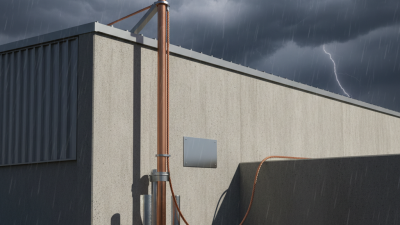
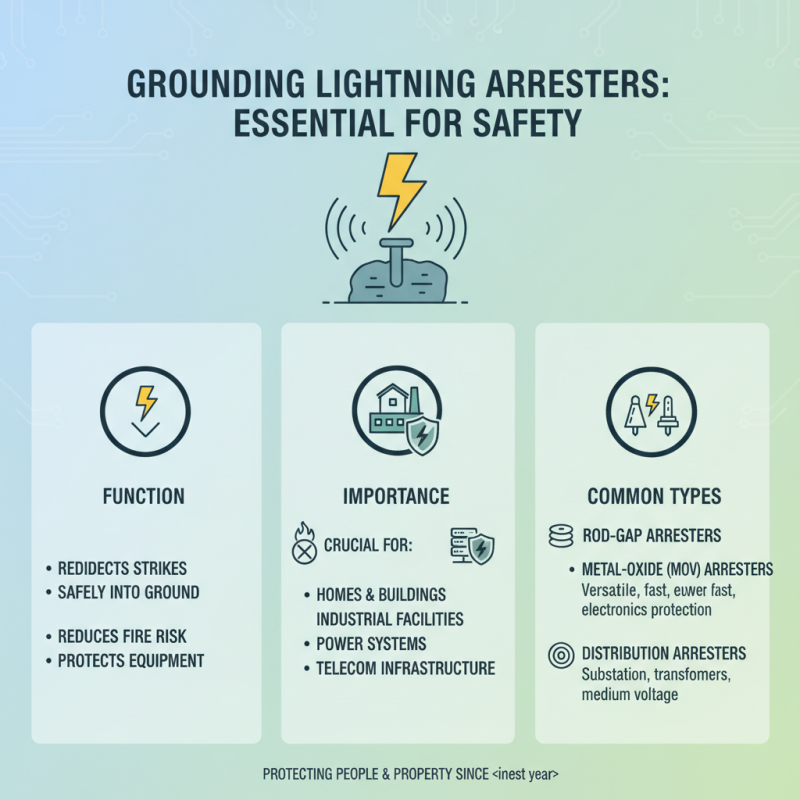
Grounding Lightning Arresters play a crucial role in protecting structures from lightning strikes. As noted by Dr. Emily Carter, a leading expert in lightning protection systems, "A reliable grounding lightning arrester can save lives and prevent significant property damage." These devices work by directing lightning energy safely into the ground, minimizing risks associated with electrical surges.
In areas prone to thunderstorms, the need for effective grounding lightning arresters becomes even more urgent. Without them, buildings face severe dangers during storms. The effectiveness of a grounding lightning arrester hinges on its installation and maintenance. Neglecting these factors can lead to system failures, exposing structures to potential destruction.
It's vital to understand that while grounding lightning arresters can mitigate risks, they are not foolproof. The technology is complex, and improper use can lead to unforeseen issues. Discussions around their reliability often highlight areas needing improvement. As we explore the intricacies of grounding lightning arresters, it’s essential to acknowledge these challenges.
What is a Grounding Lightning Arrester?
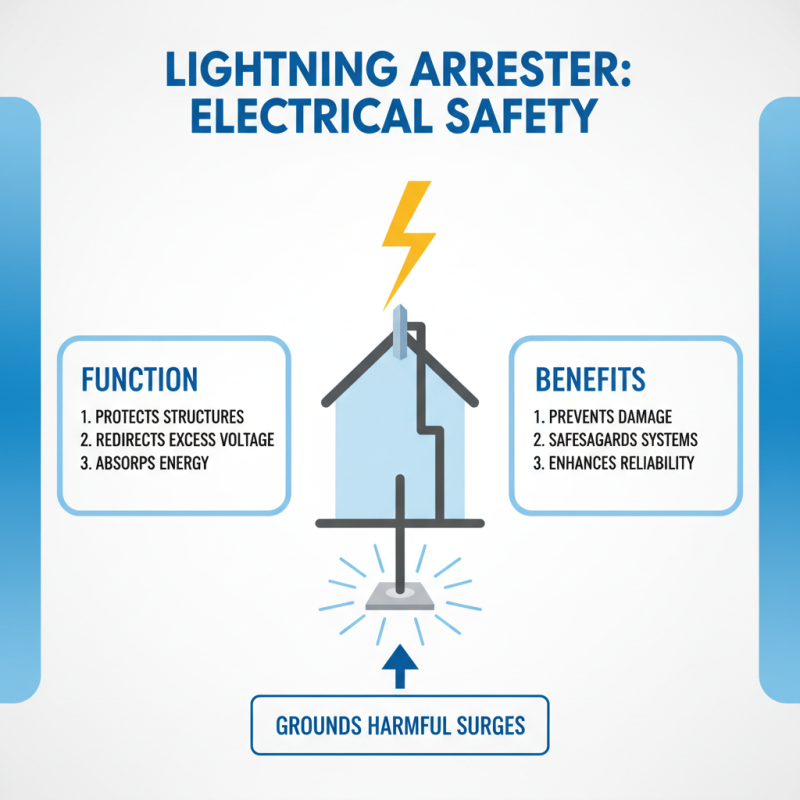
A grounding lightning arrester is a crucial component in electrical safety. It protects structures from lightning strikes by redirecting excess voltage. When lightning strikes, the arrester absorbs the energy. This prevents damage to electrical systems within buildings.
The arrester consists of conductive materials that facilitate this process. They lead lightning charges safely into the ground. While they are effective, installation mistakes can happen. If not grounded properly, they might fail to protect. Regular inspections can reduce this risk.
Understanding the science behind it is important. These devices have limitations. They can't prevent lightning strikes but only mitigate their effects. Awareness about these devices can enhance safety in lightning-prone areas. It's vital to continually educate and improve systems to protect against nature's unpredictability.
The Importance of Grounding in Lightning Protection Systems
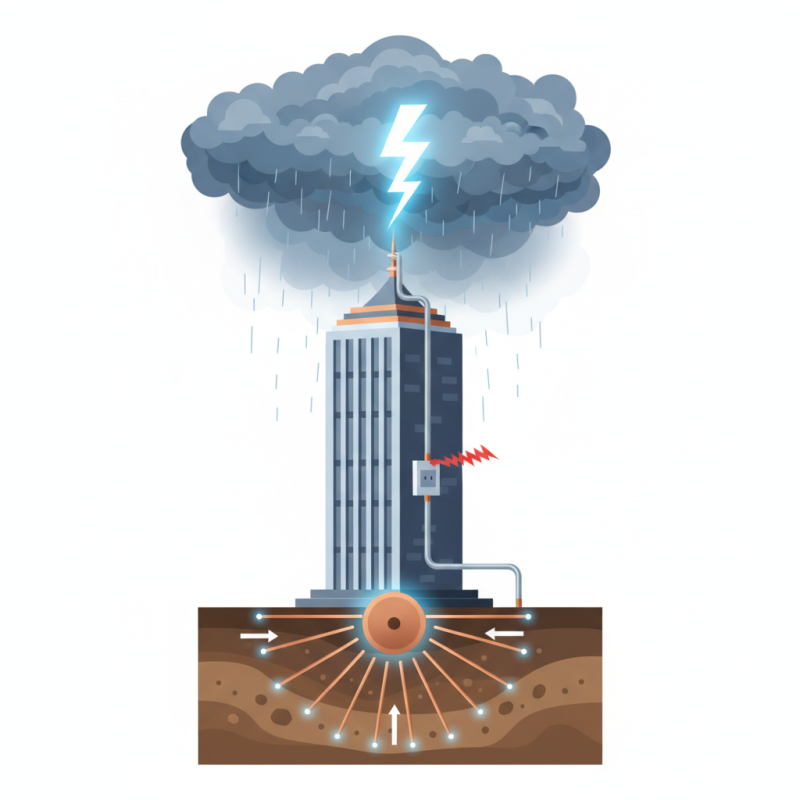
Grounding plays a crucial role in lightning protection systems. When lightning strikes, it can cause severe damage. A grounding lightning arrester directs the electrical current away from structures. It safely dissipates the energy into the ground. This reduces the risk of fire or electrical surges. Without proper grounding, the system can fail during a storm.
It's important to regularly check grounding systems. Over time, cables can degrade. Soil conditions may change, impacting conductivity. This can leave buildings vulnerable. Ensuring connections are tight and corrosion-free is key. Periodic maintenance helps avoid potential disasters.
Tips: Use a multimeter to test ground resistance. Ensure all connections are secure. Consider seasonal checks after heavy weather. Keeping up with maintenance creates peace of mind. A simple check could prevent a major loss. Effective grounding is not just a precaution; it's essential for safety.
How Grounding Lightning Arresters Function Mechanically
A grounding lightning arrester is a protective device designed to redirect electrical surges. It works by providing a low-resistance path to the ground. When lightning strikes a tall structure, the arrester captures the surge. This helps prevent damage to electrical systems and equipment.
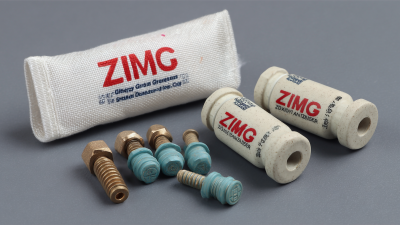
Mechanically, grounding lightning arresters consist of various components. The main parts include electrodes, connectors, and grounding conductors. Electrodes, often made of copper or galvanized steel, are driven deep into the earth. Connectors link the arrester to the electrical system. Grounding conductors carry the surge safely away from sensitive devices.
Proper installation is crucial for effectiveness. If not installed correctly, the arrester may fail during a storm. The connection points must be secure and free from corrosion. Regular inspections help ensure these devices function as intended. While grounding lightning arresters work well, they are not foolproof. There are instances of lightning damage even with these systems in place. This highlights the importance of ongoing maintenance and evaluation.
What is a Grounding Lightning Arrester and How Does It Work? - How Grounding Lightning Arresters Function Mechanically
| Parameter |
Description |
| Type |
Class I (for residential use) |
| Voltage Rating |
250V AC |
| Current Capacity |
40kA |
| Installation Location |
Near the service entrance of the building |
| Material |
Copper and Silicone |
| Maintenance Requirements |
Semi-annual inspection recommended |
| Functionality |
Redirects excess voltage to the ground |
| Lifespan |
10-15 years |
Maintenance and Safety Considerations for Grounding Lightning Arresters
Grounding lightning arresters are crucial for protecting structures from lightning strikes. Regular maintenance is essential for their effectiveness. Inspect these arresters frequently. Look for signs of corrosion or damage. Even small issues can lead to failures.
Tips: Check connections monthly. Ensure they are tight and secure. Replace any damaged components as soon as possible. This simple act can prevent larger problems later.
Safety is paramount when dealing with grounding systems. Use insulated tools during inspections. Always turn off power before you begin work. Lightning arresters should be installed by professionals. Improper installation increases risks significantly.
Tips: Educate your team on proper safety protocols. Consider holding brief training sessions. A well-informed crew can handle emergencies better. Reflect on existing practices and seek improvements.
Grounding Lightning Arrester Performance Metrics
This bar chart illustrates key performance metrics of grounding lightning arresters, including response time, energy dissipation, maximum voltage capability, and durability in terms of operational cycles. These metrics are crucial for ensuring safety and maintenance considerations in protecting electrical systems from lightning strikes.