What is a Lightning Arrester and How Does it Work?
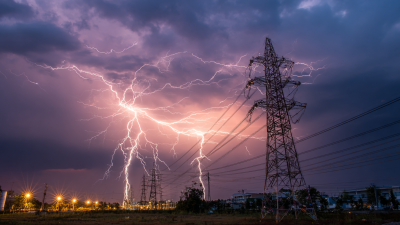
Lightning is a natural phenomenon that can cause significant damage. Each year, lightning strikes result in billions of dollars in property damage. In the United States alone, the National Weather Service reported nearly $1 billion in damages annually due to lightning. This highlights the importance of protective measures.
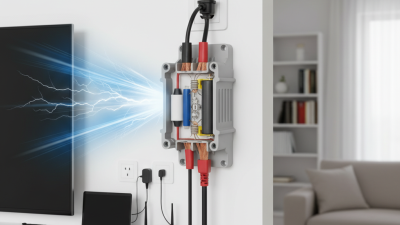
A Lightning Arrester is a device designed to protect electrical systems from lightning strikes. It helps redirect excessive voltage away from buildings and equipment. The effectiveness of a lightning arrester can save lives and protect assets. However, many people overlook this critical safety tool.
While lightning arresters are essential, they are not foolproof. Misplacement or poor installation can lead to failures. Regular maintenance is vital, yet often neglected. Understanding the functionality of a lightning arrester is crucial for proper usage. Investing time in education can lead to better protection against the unpredictable forces of nature.
What is a Lightning Arrester?
A lightning arrester is a critical device used in electrical systems. It protects equipment from lightning strikes. When lightning hits, the arrester diverts the electric surge away from sensitive components. This can prevent significant damage. According to industry reports, up to 80% of lightning damage occurs in electrical installations.
The operation of a lightning arrester is straightforward. It typically consists of a conductor and a ground connection. When a lightning strike occurs, it creates a high-voltage surge. The arrester detects this surge and directs it to the ground. This prevents the surge from flowing through the electrical system. Studies show that having a lightning arrester can reduce repair costs by as much as 70%.
These devices play a vital role, yet many installations lack proper protection. Some building owners underestimate the risk. Many assume their existing systems are sufficient without evaluation. However, the hidden dangers are real. Regular maintenance and assessments are essential. Without them, the risk of damage from lightning remains high.
The Functional Principle of Lightning Arresters
Lightning arresters play a crucial role in protecting structures from the destructive force of lightning. These devices are designed to channel the electrical discharge away from buildings and sensitive equipment. When lightning strikes, the arrester detects the surge and activates. It provides a low-resistance path for the current. This path helps to redirect the energy safely into the ground.
The functional principle of lightning arresters relies on their ability to sense high voltage. The device consists of various components, such as rods, conductors, and grounding systems. Each part works together seamlessly. However, not every implementation is perfect. Some designs may fail in extreme conditions. Maintenance is vital, as corrosion or damage can compromise their effectiveness over time.
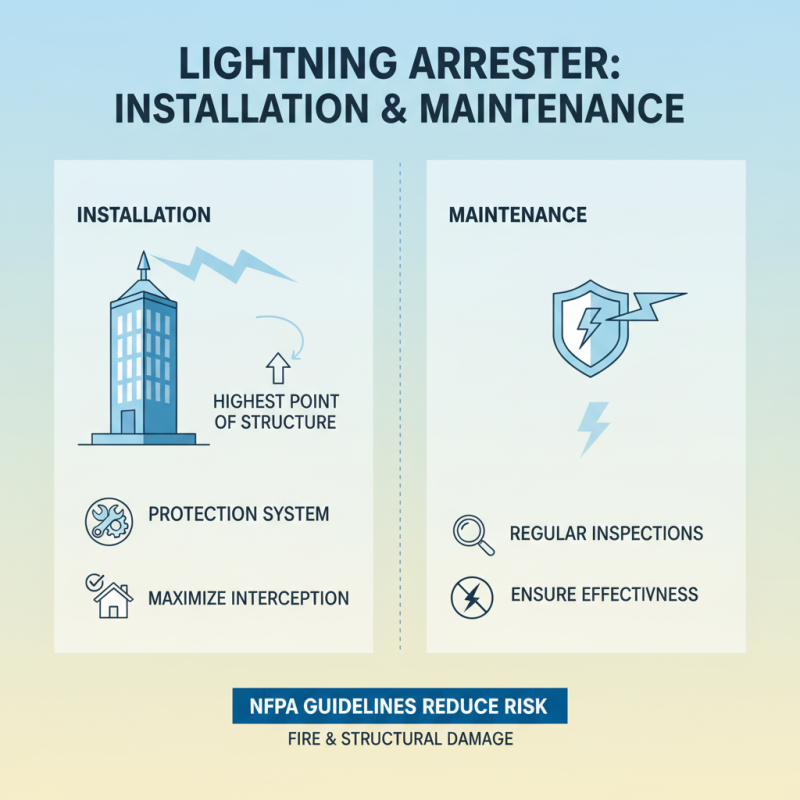
In practice, placing a lightning arrester is not always straightforward. Positioning must consider potential strike paths and local geography. An improperly installed arrester can become useless. Therefore, understanding the environment is essential. You can prevent significant damage with a well-placed device. In the end, lightning arresters are a critical safeguard, but they require careful planning and ongoing assessment.
Lightning Arrester Performance Data
The chart below illustrates the effectiveness of different types of lightning arresters in preventing damage from lightning strikes, showing the number of incidents over a period of time.
Types of Lightning Arresters and Their Applications
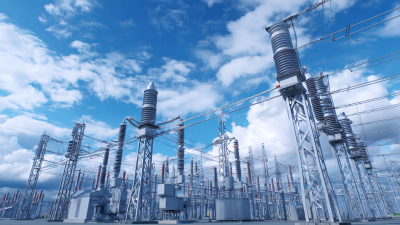
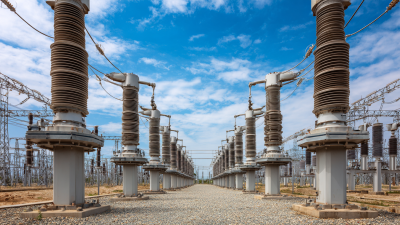
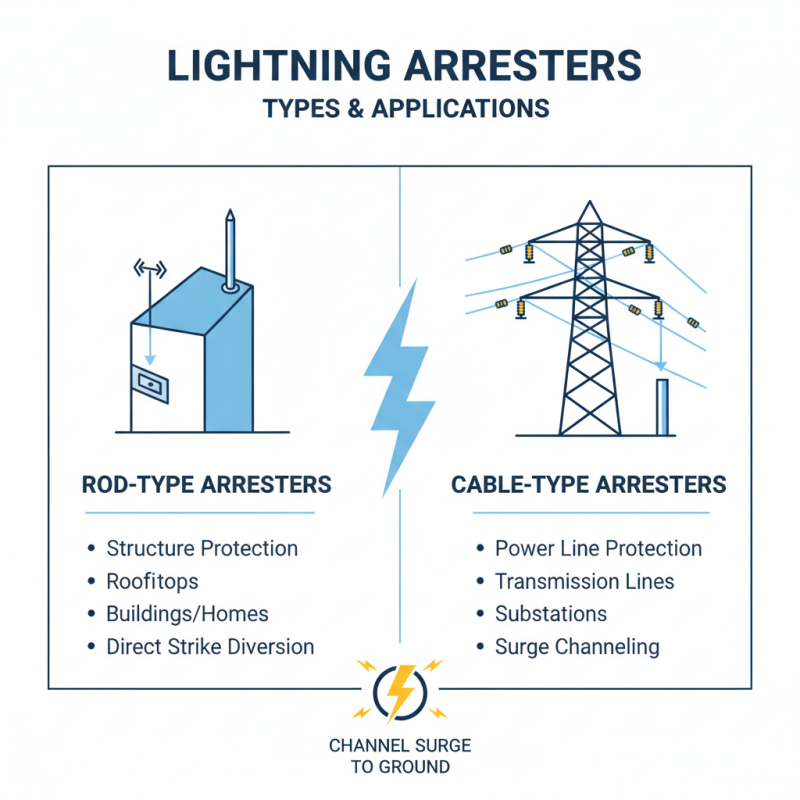
Lightning arresters are essential devices designed to protect structures from lightning strikes. They can be broadly categorized into different types based on their applications. The most common types include rod-type arresters, which are installed on rooftops, and cable-type arresters, often used in power lines. These devices channel the lightning surge safely into the ground.
In residential areas, rod-type arresters provide a straightforward solution. They are often visible atop buildings. However, proper installation and maintenance are critical. A poorly installed rod can lead to damage rather than protection. On the other hand, cable-type arresters play a crucial role in industrial settings. They protect equipment and infrastructure from electrical surges. Yet, these systems require regular testing to ensure effectiveness.
There are also specialized arresters for communication systems. These protect sensitive electronic equipment from lightning-induced surges. While effective, their complex installation can be challenging. Understanding specific needs is vital to avoid costly mistakes. Overall, selecting the right type of lightning arrester is key to maximizing protection. Each type has its advantages and limitations, prompting users to reflect on their unique requirements.
The Importance of Lightning Arresters in Electrical Safety
Lightning arresters play a crucial role in electrical safety. They protect buildings and equipment from the overwhelming power of lightning strikes. According to the National Lightning Safety Institute, lightning strikes cause over $1 billion in property damage annually in the U.S. alone. This underscores the importance of implementing effective lightning protection measures.
When lightning strikes a structure, the arrester redirects the surge to the ground. This prevents potential damage to electrical systems. Without this safeguard, expensive equipment could be damaged, and lives could be endangered. A study by the Institute of Electrical and Electronics Engineers highlights that proper lightning protection can reduce the risk of electrical fires by up to 60%.
Tips: Regular inspections of lightning arresters are vital. Ensure that they are properly grounded. Damaged or outdated systems may fail when needed most. Educating your team about lightning safety and maintenance protocols can save money and ensure safety. Remember, in a storm, every second counts.
What is a Lightning Arrester and How Does it Work? - The Importance of Lightning Arresters in Electrical Safety
| Feature |
Description |
Importance |
| Purpose |
Divert lightning strikes away from structures. |
Protects buildings and equipment from surge damage. |
| Types |
There are different types such as rod, cable, and air terminal systems. |
Different applications require different types for effectiveness. |
| Components |
Includes a lightning rod, grounding system, and conductors. |
Components work together to safely disperse the energy. |
| Installation |
Requires professional installation to ensure effectiveness. |
Improper installation can lead to failure in protection. |
| Maintenance |
Regular inspections to check for degradation and corrosion. |
Ensures the system is ready to function when needed. |