What is a Lightning Surge Arrestor and How Does it Work?
A Lightning Surge Arrestor is a critical component in protecting electrical systems from damaging voltage spikes caused by lightning strikes. According to Dr. Emily Harper, a leading expert in electrical engineering, "Lightning Surge Arrestors are essential for preventing costly equipment failures." Her insights underline the importance of understanding how these devices operate.
This technology works by diverting excess voltage away from sensitive equipment, minimizing the impact of lightning surges. The complexity of electrical systems makes it vital for professionals to grasp the intricacies of surge protection. While many assume that lightning strikes are infrequent, the truth is quite the opposite; surges can happen more often than anticipated.
Incorporating a Lightning Surge Arrestor can significantly enhance system reliability. However, choosing the right type is no simple task. Each installation comes with its challenges and potential pitfalls. Hence, continued education and expert advice remain crucial in navigating this complex field. The right surge protection might make the difference in safeguarding valuable assets.
What is a Lightning Surge Arrestor?
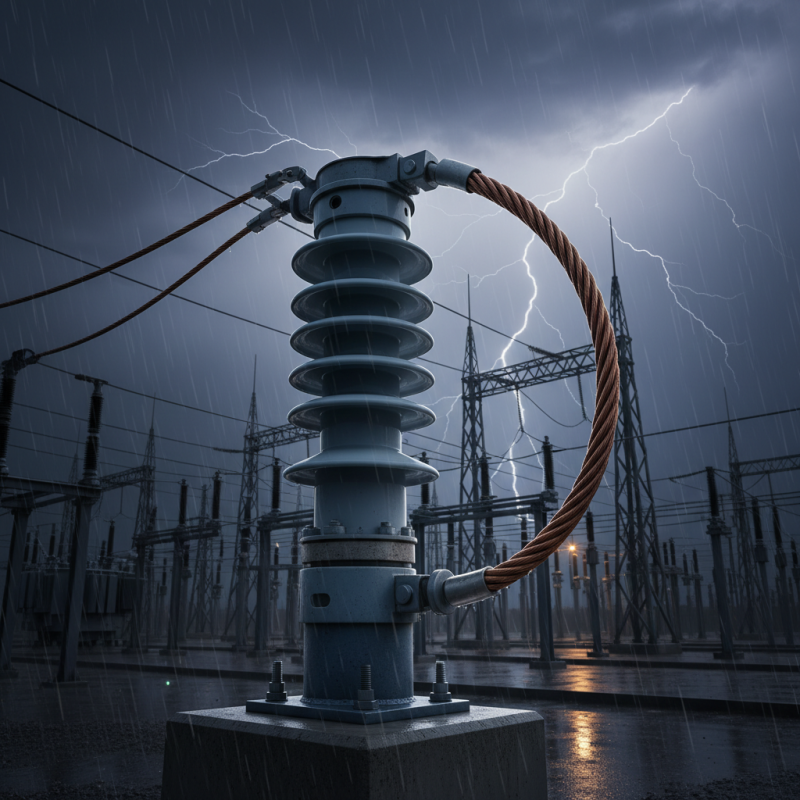
A lightning surge arrestor is a crucial device for protecting electrical systems. It acts as a barrier against sudden voltage spikes caused by lightning strikes. Without this component, sensitive equipment could suffer catastrophic damage. Lightning surges can exceed thousands of volts in an instant. This makes surge arrestors essential for both residential and commercial applications.
This device works by diverting excess voltage to the ground. When a surge occurs, the arrestor detects the high voltage and channels it away from connected systems. It essentially creates a safe pathway for the electrical energy to dissipate. This process prevents damage to appliances, computers, and other critical devices. Proper installation is vital for optimal performance, yet many may overlook this step.
However, not all installations are perfect. Environmental factors can also play a role in their effectiveness. For instance, heavy storms might reduce the device’s ability to function correctly. Regular maintenance is often neglected, and this can result in reduced protection over time. Users must be aware of these potential pitfalls to ensure their surge arrestors provide the necessary safety.
The Importance of Lightning Surge Arrestors in Electrical Systems
Lightning surge arrestors play a crucial role in safeguarding electrical systems. They protect sensitive equipment from high-voltage transients caused by lightning strikes or power surges. Without these devices, electronic components face a significant risk of damage. Surge arrestors divert excess voltage, allowing normal operation to continue safely.
Incorporating surge arrestors in electrical installations can demonstrate a commitment to reliability and safety. Many industries rely on stable power for their daily operations. The absence of surge protection can lead to costly repairs and downtime. This reality prompts a reconsideration of whether current systems are adequately protected against potential surges.
It’s essential to recognize that not all installations are perfect. Some may overlook the need for surge protection entirely. This can stem from a lack of awareness about the dangers of voltage spikes. Ongoing education and assessments can help address these gaps. Ultimately, investing in lightning surge arrestors is a proactive measure to enhance the longevity and resilience of electrical systems.
How Lightning Surge Arrestors Function: Basic Principles
Lightning surge arrestors are essential devices designed to protect electrical systems from surges caused by lightning strikes. These devices function based on a simple principle: divert excess voltage away from sensitive equipment. When a lightning strike occurs, it can create voltage spikes that threaten to damage or destroy electrical devices. Surge arrestors detect these spikes and redirect the dangerous energy safely to the ground.
According to industry reports, an estimated 20 million cloud-to-ground lightning strikes occur annually in the United States alone. This significant number highlights the need for effective surge protection. Many sites utilize surge arrestors to mitigate risks and ensure operational continuity. Notably, studies reveal that facilities equipped with surge protection reduce failure rates by 50% during storms. However, the placement and quality of surge arrestors significantly impact their effectiveness.
There is a growing emphasis on regular maintenance and upgrades for these systems. Some facilities may overlook this critical aspect, leading to vulnerabilities during severe weather events. Understanding the lifecycle of a surge arrestor is essential. Over time, these devices can degrade, showing a need for timely replacements. Data suggests that without proper maintenance, surge arrestors may not perform as intended, increasing the chances of failure when storms strike.
What is a Lightning Surge Arrestor and How Does it Work?
| Dimension |
Description |
| Function |
Protect electrical systems from voltage spikes caused by lightning strikes. |
| Components |
Includes a metal oxide varistor (MOV), a gas discharge tube (GDT), and fail-safe mechanisms. |
| Installation Location |
Typically installed at service entrances or critical equipment locations. |
| Working Principle |
Redirects surge currents away from sensitive electronics to the ground. |
| Types |
There are surge protectors, whole-house arrestors, and portable devices. |
| Maintenance |
Regular checks are required, especially after major storms or power surges. |
| Protection Level |
Measured in kA (kiloamperes), indicating the maximum surge current it can handle. |
Types of Lightning Surge Arrestors and Their Applications
Lightning surge arrestors come in various types, each tailored for specific applications. Common types include metal oxide varistors (MOVs), gas discharge tubes (GDTs), and suppressor diodes. MOVs are effective for protecting electrical systems from voltage spikes. They absorb excess energy during a surge, preventing damage. GDTs work well for high-energy applications where fast response is not critical. They divert excess voltage to ground, ensuring safety for sensitive equipment.
In industrial settings, surge arrestors are crucial. They are essential in protecting machinery from lightning strikes. In telecommunication systems, GDTs prevent surges from disrupting critical communication lines. MOVs are frequently used in residential wiring systems to safeguard appliances. While these devices are effective, improper installation can lead to failures. Regular inspection is vital to ensure they function correctly. Surge arrestors are not a one-size-fits-all solution. Their effectiveness depends on understanding the specific needs of the installation environment.
Types of Lightning Surge Arrestors and Their Applications
This chart illustrates the different types of lightning surge arrestors and their applications based on their effectiveness in various environments.
Installation and Maintenance Considerations for Surge Arrestors
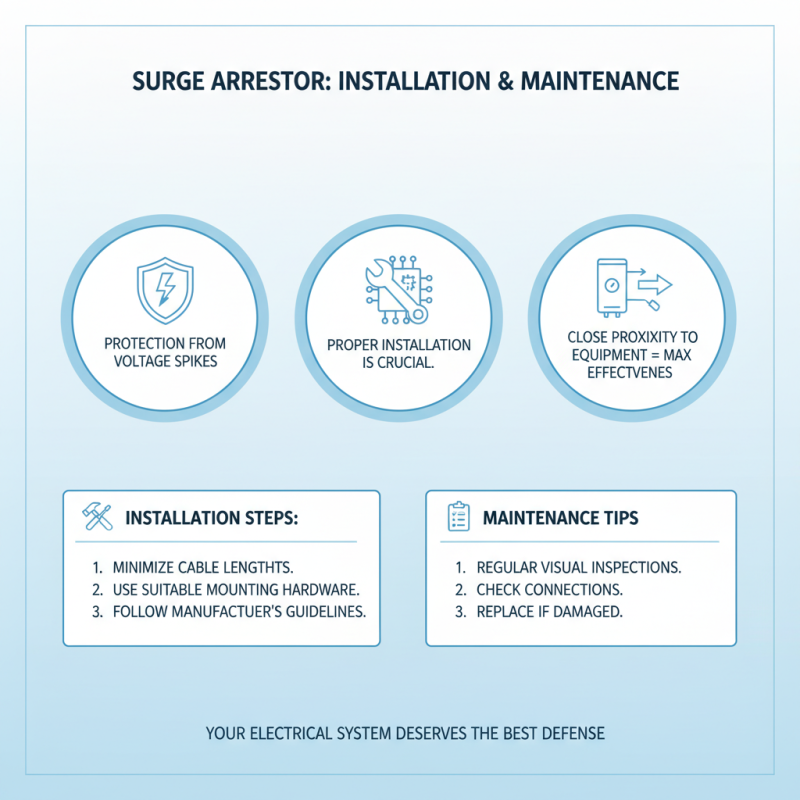
Surge arrestors are essential for protecting electrical systems from damaging voltage spikes. Proper installation is crucial for their effectiveness and longevity. When installing a surge arrestor, ensure it’s placed as close to the equipment being protected as possible. This proximity minimizes cable lengths, which can reduce the effectiveness of the arrestor. Use suitable mounting hardware and follow the manufacturer's guidelines for electrical connections.
Regular maintenance is necessary to ensure the surge arrestor functions well. Inspect the device periodically for signs of wear or damage. Look for discoloration, cracks, or corrosion on the unit. These conditions can indicate that the surge arrestor has absorbed significant surges and may need replacing.
Tips: Remember to evaluate the surrounding environment. Ensure it is free from excessive moisture or contaminants, as these factors can reduce the lifespan of your surge arrestor. Additionally, always consult with a qualified professional for installation and routine checks. This can prevent potential mishaps. Over time, neglect can lead to costly repairs. Keeping an ongoing maintenance schedule in mind is recommended for optimal performance.