What is a Polymeric Surge Arrester and How Does It Work?
Polymeric Surge Arresters play a critical role in protecting electrical systems from transient overvoltages. These devices are designed to absorb voltage spikes, ensuring system integrity. According to a recent report by the International Electrotechnical Commission, the global market for surge arresters is projected to reach $2.5 billion by 2026.
Dr. Emily Chan, a leading authority in the field, states, “The advancement of polymer technology has revolutionized the efficiency of surge protection.” This highlights the significant impact materials science has on device performance. However, not all products in the market utilize optimal materials or designs. Some polymeric surge arresters may not provide sufficient durability or voltage response reliability.
Understanding how a polymeric surge arrester operates is essential for ensuring system reliability. Its ability to withstand environmental stresses is crucial. Inadequate choices can lead to failures during critical moments. Therefore, awareness of product specifications and industry standards is vital for engineers and decision-makers.
Definition and Overview of Polymeric Surge Arresters
Polymeric surge arresters are key components in protecting electrical systems from voltage spikes. They function by diverting excess energy to the ground, preventing damage to sensitive equipment. According to a report by the Electric Power Research Institute, the global market for surge protection devices is expected to grow significantly, driven by rising demand in renewable energy sectors.
These surge arresters are made from polymeric materials, which offer several advantages over traditional porcelain options. They are lighter, making installation easier. Their resilience against environmental factors reduces maintenance needs. A study by the Institute of Electrical and Electronics Engineers highlighted that polymeric technologies have improved failure rates in harsh conditions by approximately 30%. Yet, some concerns persist regarding their long-term aging under UV exposure and extreme temperatures.
The effectiveness of polymeric surge arresters is undeniable, but they are not without flaws. Some users note that improper installation can lead to vulnerabilities. Regular inspections are crucial to ensure functionality. The industry standard suggests that these devices should be replaced every 10 to 15 years to maintain optimum protection. Balancing performance and longevity in variable climates remains a topic for further research and development.
Polymeric Surge Arresters Performance Comparison
This bar chart displays the surge current ratings for different polymeric surge arresters. Each type of polymeric arrester is represented on the x-axis, while the surge current rating is measured in kiloamperes (kA) on the y-axis. This comparison helps to identify the relative performance of various models in managing electrical surges.
Key Components of a Polymeric Surge Arrester
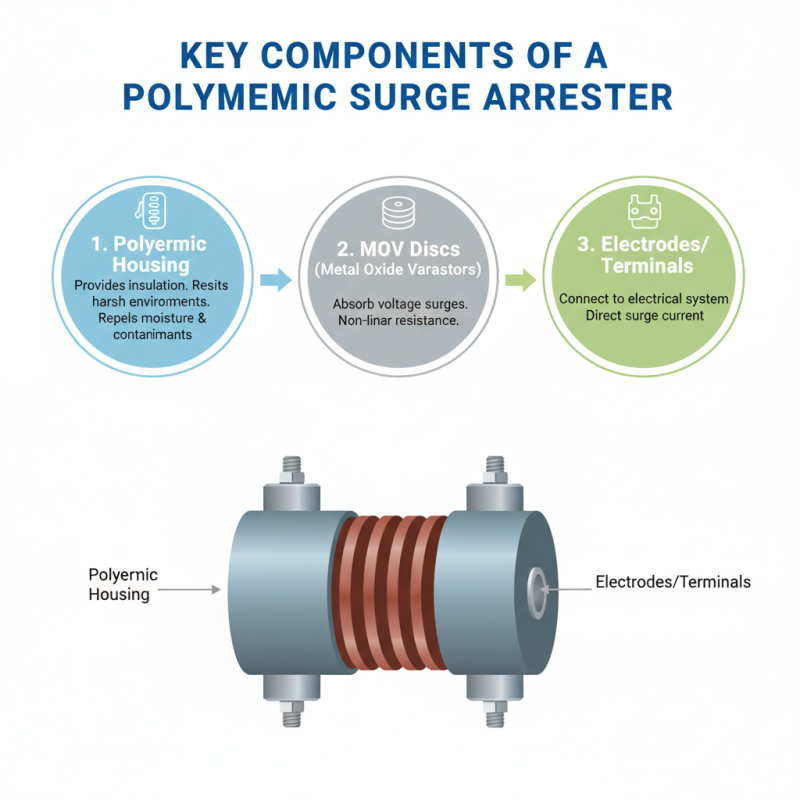
Polymeric surge arresters are vital in protecting electrical systems. They consist of several key components that contribute to their effectiveness. One essential part is the polymeric housing. This material provides excellent insulation and withstands harsh environmental conditions. It keeps moisture and contaminants away from the internal components.
Inside, metal oxide varistors (MOVs) play a crucial role. They are designed to conduct excess voltage, preventing damage to connected equipment. MOVs operate quickly, clamping down on harmful surges. Additionally, they have a remarkable ability to handle multiple surge events. However, their performance can degrade over time. Regular checks are necessary to ensure reliability.
Another component is the end-fitting. These fixtures connect the arrester to the electrical system. They must be robust to prevent loosening over time. The blending of all these components must be done carefully. If any part fails, the whole system is at risk. There’s always a potential for human error in assembly and installation. Regular maintenance and inspection are essential to avoid unexpected failures.
How Polymeric Surge Arresters Function in Electrical Systems
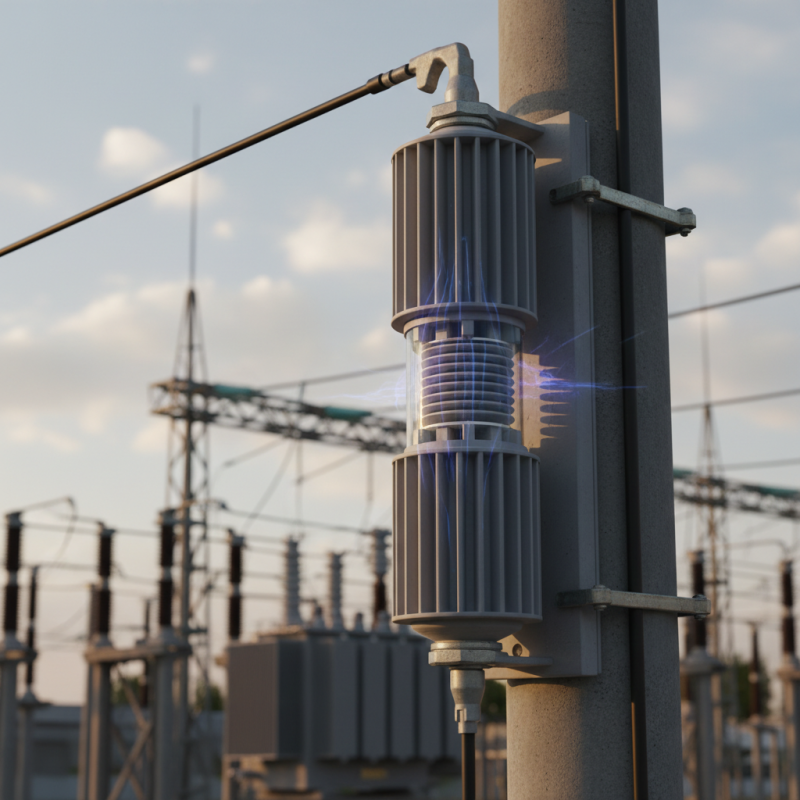
Polymeric surge arresters play a critical role in safeguarding electrical systems. They act as protective devices that prevent voltage spikes. These spikes can be caused by lightning strikes or switching operations. The surge arrester absorbs excess energy and diverts it away from sensitive equipment. This helps maintain the integrity of electrical installations.
The construction of polymeric surge arresters is interesting. They are made from a dielectric material that can withstand high voltages. This material is lightweight and resistant to environmental stressors. Their design allows for good thermal performance. This is crucial during high-energy events. Yet, their performance may decline if exposed to extreme conditions over time. Regular inspections are essential to ensure effectiveness.
Installation location also matters. Placing surge arresters near the equipment they protect is ideal. However, sometimes this isn’t practical. In such cases, the distance can impact their response time. Proper grounding is another critical factor. It may seem simple, but it’s often overlooked. Mistakes here can lead to serious consequences. Understanding how these devices function can help mitigate risks in electrical systems.
Benefits of Using Polymeric Surge Arresters over Traditional Options
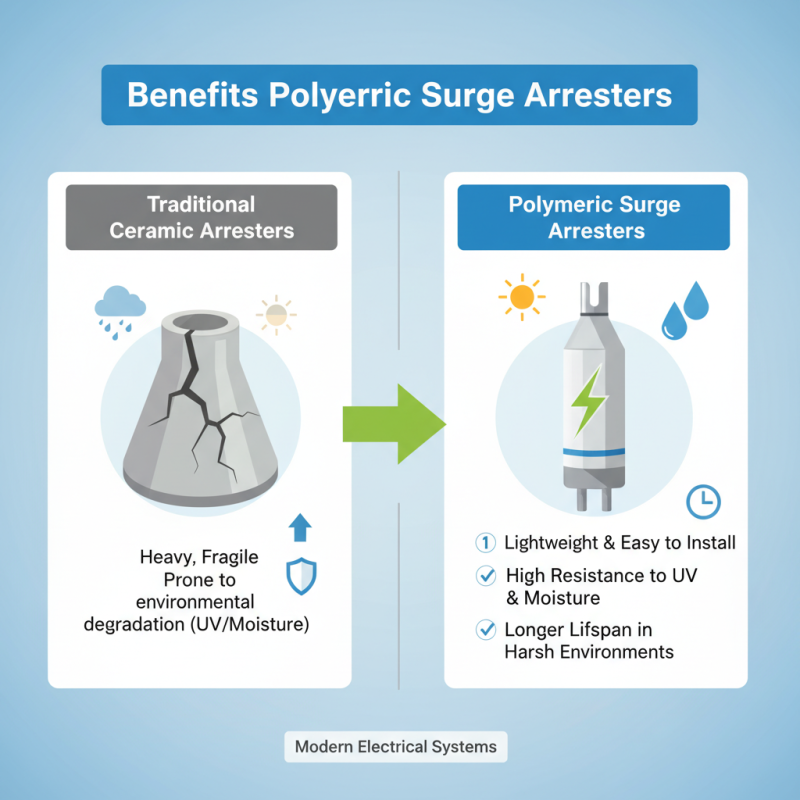
Polymeric surge arresters are becoming increasingly popular in electrical systems. They offer distinct advantages over traditional ceramic options. One major benefit is their lightweight nature. This makes them easier to install and reduces the structural load on power infrastructure. Additionally, polymeric materials exhibit higher resistance to ultraviolet radiation and moisture. This ensures greater longevity in harsh environments.
Another significant advantage is their superior performance during surges. Polymeric surge arresters can respond faster to voltage spikes. Their design allows for enhanced energy absorption. This means less risk of equipment damage. Furthermore, they often require less maintenance than traditional models. This can translate into cost savings over time. However, it is essential to consider their initial cost, which may be higher.
Despite these benefits, not all polymeric models perform uniformly. Some users have reported variability in quality. This can be frustrating and might lead to distrust among potential buyers. It's crucial to weigh these factors carefully. Making informed decisions can prevent future issues and ensure optimal protection against surges.
Applications and Use Cases for Polymeric Surge Arresters in Industry
Polymeric surge arresters offer critical protection across various industries. Their lightweight and durable nature make them ideal for power systems. In manufacturing, they help safeguard sensitive equipment from voltage spikes. A study revealed that up to 70% of electrical malfunctions stem from surges.
In the renewable energy sector, polymeric surge arresters are gaining traction. Wind turbines and solar power installations benefit from their efficiency. The Global Energy Storage Association reported that surge protection can enhance system longevity by 30%. This translates to reduced maintenance costs over time. However, not all installations use them effectively.
Installation practices vary widely. Some projects overlook proper grounding, diminishing the arresters' effectiveness. Additionally, operators often underestimate the importance of regular inspections. Ongoing monitoring can uncover potential issues early. Over time, this could prevent costly failures. Using polymeric surge arresters is a smart choice, but implementation must be thoughtful.