What is Power Transformer Fuse and How Does It Work?
Power Transformer Fuses play a crucial role in protecting electrical systems. These specialized devices are designed to prevent damage by interrupting power flows during faults. According to a 2021 report by the International Electrotechnical Commission, about 60% of transformer failures are due to overloads or short circuits. This highlights the importance of reliable fuses in power distribution networks.
Dr. Amelia Carter, a renowned expert in transformer technology, states, "Power Transformer Fuse selection is vital for system longevity and safety." Her insights emphasize the need for precise fuse ratings based on the specific requirements of each installation. Despite advancements in fuse technology, challenges remain. Many facilities lack proper assessment protocols for selecting fuses.
Industry professionals often overlook the importance of routine maintenance. Regular inspection of fuses can prevent system failures. Research shows that neglecting this aspect can lead to costly downtimes. Understanding the role of Power Transformer Fuses is essential for ensuring operational efficiency and electrical safety.
Definition and Purpose of Power Transformer Fuses
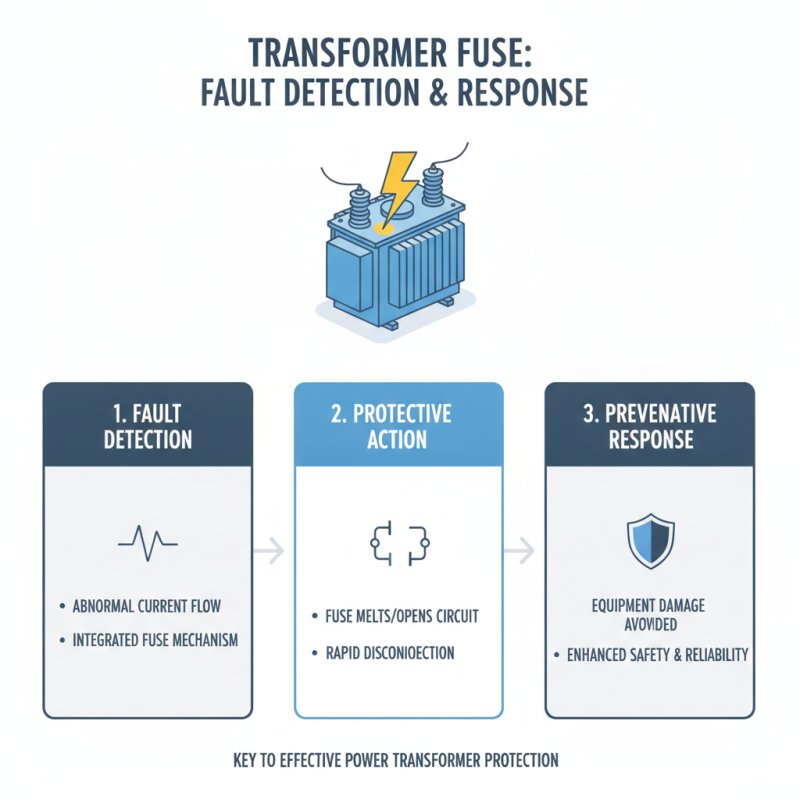
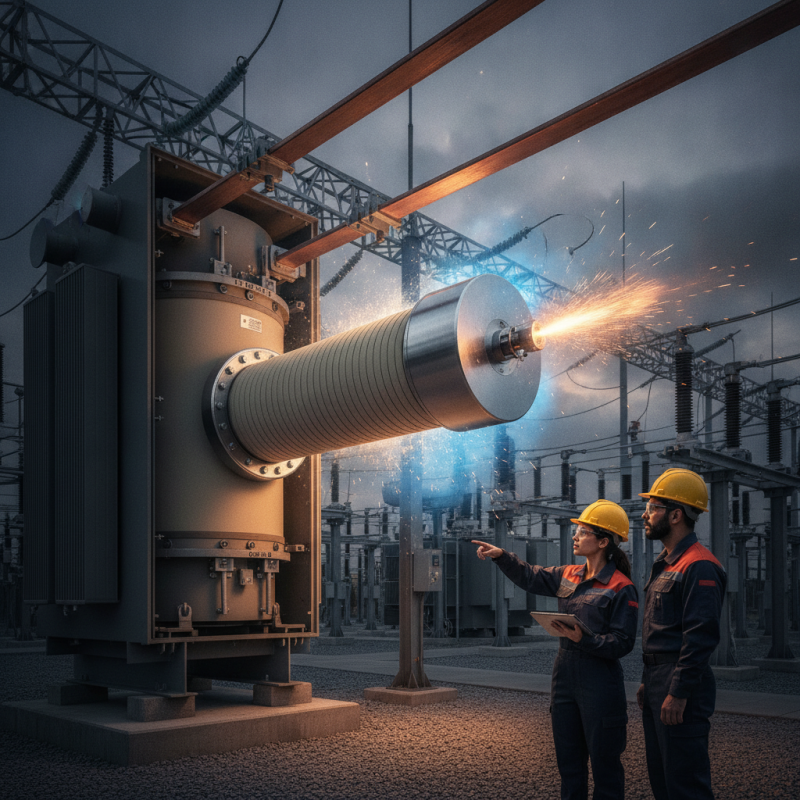
Power transformer fuses are essential components in electrical systems. Their primary purpose is to protect transformers from damaging overcurrents. When excessive current flows, the fuse melts and breaks the circuit. This quick response helps prevent costly damage and improves safety.
Understanding their function is vital for maintaining electrical infrastructure. Fuses are typically rated based on the transformer's specifications. Choosing the right fuse can prevent potential issues. Incorrect ratings can lead to equipment failure or safety hazards.
Tips: Regularly inspect fuses for wear and tear. Replace blown fuses promptly to ensure ongoing protection. It's essential to always follow safety protocols during installation and maintenance. Remember, even small errors in handling can lead to significant consequences in the long run. Take your time and double-check your work.
Types of Power Transformer Fuses Used in Electrical Systems
Power transformer fuses are crucial for protecting electrical systems. They act as safety devices that prevent overcurrent and short circuits. There are several types of power transformer fuses commonly used in electrical systems, each serving a different purpose and function.
One type is the current-limiting fuse. This fuse quickly interrupts the circuit when excessive current flows, minimizing damage to the transformer. They are essential for preventing catastrophic failures. Another type is the expulsion fuse, which operates by expelling gases when it melts. This helps to ensure a fast and effective interruption of the power supply.
Tips: Always select the right fuse based on the transformer specifications. Regular inspections are vital to ensure fuses are in good working condition. Consider environmental factors that may affect fuse performance.
Lastly, there are auto-resetting fuses. These devices automatically reset after a fault is cleared, making them convenient for continuous monitoring. However, they can sometimes allow a fault to persist longer than desired, making careful evaluation necessary.
What is Power Transformer Fuse and How Does It Work? - Types of Power Transformer Fuses Used in Electrical Systems
| Fuse Type |
Voltage Rating (kV) |
Current Rating (A) |
Application |
Operation Mechanism |
| Expulsion Fuse |
Up to 38 kV |
10-100 A |
Distribution Transformers |
Uses thermal and gas forces for operation. |
| Current-Limiting Fuse |
Up to 36 kV |
100-1200 A |
Power Transformers |
Limits fault current to protect equipment. |
| Reclosable Fuse |
Up to 15 kV |
30-200 A |
Substations and Overhead Lines |
Automatically resets after the fault is cleared. |
| Drop-Out Fuse |
Up to 36 kV |
20-150 A |
Overhead Distribution Transformers |
Drops out under overcurrent, ensuring safety. |
| Link Fuse |
Up to 15 kV |
5-60 A |
Industrial Equipment |
Utilizes a replaceable element for overload protection. |
How Power Transformer Fuses Operate Under Normal Conditions
Power transformer fuses play a critical role in maintaining the safety and reliability of electrical systems. Under normal operating conditions, these fuses protect transformers from overcurrent situations. They are designed to interrupt the current flow when it exceeds a preset limit, thereby preventing equipment damage. The fuses are capable of responding quickly, often within milliseconds, to minimize the impact of faults.
According to industry reports, around 70% of power transformer failures occur due to overload and short circuits. Fuses are essential in mitigating these risks. They usually contain a fusible element that melts when excessive current flows through it. This element must be made from materials that can withstand various thermal and electrical stresses. The precise specifications and ratings are crucial for their effectiveness.
Installation practices greatly affect fuse performance. Improperly sized or rated fuses can lead to unnecessary equipment failures. Professionals emphasize the importance of regularly checking fuses and replacing them according to manufacturer recommendations. Regular maintenance can prevent small issues from escalating into costly repairs. Understanding the operational limits and characteristics of power transformer fuses is vital for reliability.
Power Transformer Fuse Current Ratings
This bar chart illustrates the current ratings of fuses used in power transformers at various voltage levels. The ratings correlate with the operational efficiency and safety requirements in power distribution systems.
Maintenance and Testing of Power Transformer Fuses for Reliability
Power transformer fuses are critical components for ensuring system reliability. Regular maintenance and testing of these fuses enhance their operational lifespan. Data from the IEEE states that over 30% of transformer failures occur due to fuse malfunctions. Regular checks can significantly reduce these incidents.
Testing methods include visual inspections and functional testing. Visual inspections involve checking for physical damage. Functional testing assesses the fuse's ability to interrupt a fault. According to industry standards, fuses should be tested at least annually. However, a significant percentage of facilities do not adhere to this schedule, leading to potential risks.
Tip: Implement a regular maintenance schedule. Track any signs of wear or damage promptly.
Moreover, training personnel on fuse maintenance is essential. Skilled staff can identify early warning signs. Many fuse failures could prevent operational disruptions. According to a recent survey, companies that prioritize training see 40% fewer transformer outages.
Tip: Document all maintenance activities. This can help in identifying patterns that lead to equipment failure.