What is a Surge Arrester and How Does It Work?
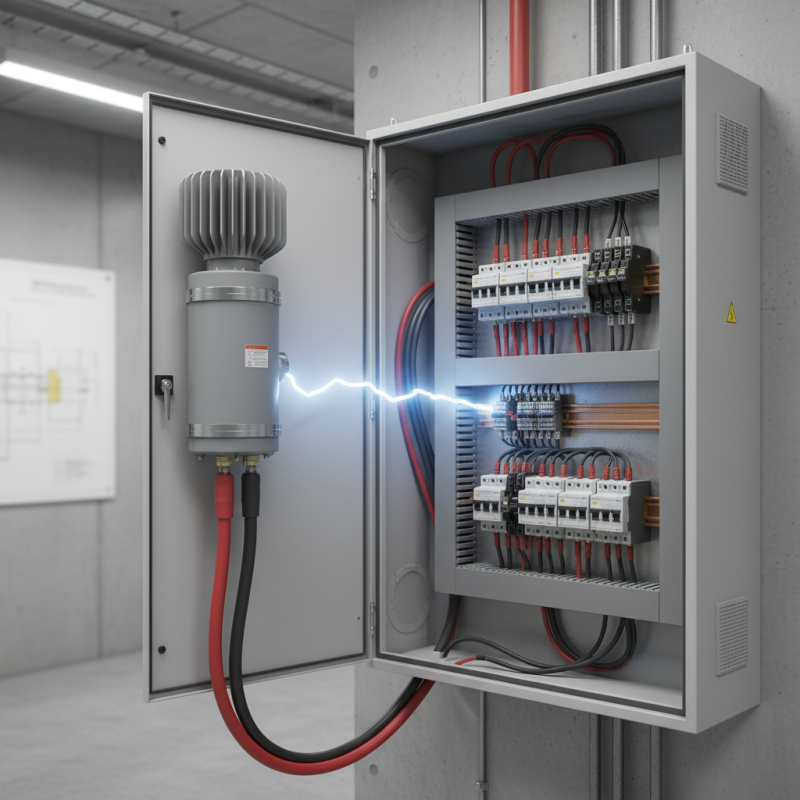
Surge Arresters are essential components in protecting electrical systems. They guard against voltage spikes caused by lightning and switching surges. These spikes can damage sensitive equipment. Understanding how a Surge Arrester works is crucial for anyone involved in electrical maintenance.
When a voltage spike occurs, the Surge Arrester diverts excess energy away from devices. It acts as a protective barrier, preventing extensive damage. Ignoring the need for a Surge Arrester can lead to costly repairs. Many underestimate the importance of these devices until it is too late.
Incorporating a Surge Arrester into a power system can enhance longevity. However, not all systems require the same type. Choosing the right model requires careful consideration. Reflecting on this decision can be challenging, but it’s necessary for optimal safety.
What is a Surge Arrester?
Surge arresters play a crucial role in protecting electrical systems. These devices, often referred to as surge protectors, are designed to safeguard against voltage spikes. A surge arrester functions by diverting excess voltage, preventing it from damaging sensitive equipment. According to the IEEE, nearly 50% of all industrial power outages are due to transient voltage surges.
Understanding surge arresters is essential for various sectors. They work by utilizing components that can absorb or redirect excess voltage away from electrical circuits. This transfer helps maintain normal operating conditions. Reports indicate that effective surge protection can enhance equipment lifespan by up to 30%. Yet, many industries fail to implement adequate protection, leading to costly damages.
Despite their importance, misconceptions about surge arresters persist. Some believe that all surge protectors are the same, which is not true. Different models cater to specific voltage levels and operational requirements. This lack of awareness may result in choosing inappropriate devices, leaving systems vulnerable. Proper selection and implementation of surge arresters are critical for ensuring long-term reliability and safety in electrical infrastructures.
The Purpose of Surge Arresters in Electrical Systems
Surge arresters are essential components in electrical systems. They protect against voltage spikes caused by lightning or other disturbances. Such spikes can damage equipment and disrupt operations. By diverting excess voltage safely to the ground, surge arresters help maintain stability in electrical networks.
In every electrical installation, surge arresters play a critical role. They safeguard not just large machinery but also sensitive electronics. Without proper protection, a sudden surge can fry circuits and cause extensive damage. This underscores the importance of regular maintenance and inspections. Operators should frequently check these devices for wear or failure. Ignoring this can lead to serious setbacks.
The purpose of surge arresters goes beyond just equipment safety. They contribute to overall system reliability. With an increasingly digital world, protecting our infrastructure has never been more vital. Each surge event brings risks. Understanding how and when to address these risks is essential for any facility. Investing in surge protection is a step toward resilience.
What is a Surge Arrester and How Does It Work?
| Parameter |
Description |
Functionality |
Application |
| Voltage Rating |
The maximum voltage the arrester can handle without failure. |
Protects electrical equipment from voltage spikes. |
Used in residential and industrial applications. |
| Response Time |
The time taken to react to a surge event. |
Minimizes the impact of transient overvoltages. |
Crucial for sensitive electronics and systems. |
| Energy Absorption |
The energy that the arrester can dissipate during a surge. |
Protects circuits from excess energy. |
Essential for power distribution and telecommunication systems. |
| Installation Location |
Where the arrester is physically placed in the system. |
Affects overall system protection effectiveness. |
Installed at service entrances, panels, or near equipment. |
| Maintenance Requirements |
Frequency and type of checks needed to maintain the device. |
Ensures long-term reliability and performance. |
Planned maintenance in industrial settings is recommended. |
How Do Surge Arresters Work Mechanically?
Surge arresters are crucial devices that protect electrical systems from voltage spikes. They work by redirecting excess voltage safely. This process prevents damage to sensitive equipment, ensuring longevity and functionality. When a surge occurs, the arrester triggers, and the excess voltage is dissipated.
Mechanically, surge arresters utilize nonlinear resistors, known as varistors. These components change resistance based on applied voltage. At normal levels, they have high resistance, allowing electricity to pass without issue. When a surge happens, their resistance drops drastically. This sharp change enables them to conduct the excess voltage away from the system. Reports estimate that surge arresters can reduce equipment damage costs by up to 50%.
Tips: Regularly check your surge protection systems. Make sure they are intact and functional to avoid unexpected costs. Monitor any signs of wear and replace devices every few years, especially in high-risk areas.
Remember, not all arresters are the same. Consulting a professional can help you choose the right type for your needs. Be aware that outdated models may not provide adequate protection. Always stay informed on the latest technology in surge protection.
Surge Arrester Performance Analysis
This chart illustrates the performance metrics of surge arresters, highlighting their voltage rating, clamping voltage, peak current capacity, and response time. These parameters are critical for understanding how surge arresters protect electrical devices from voltage spikes.
Types of Surge Arresters and Their Applications
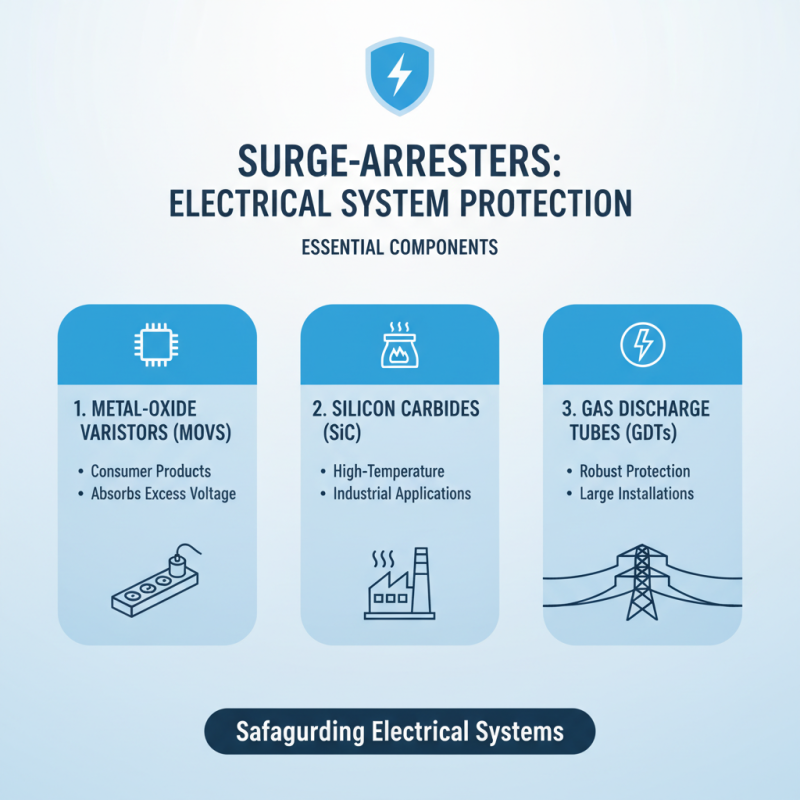
Surge arresters are essential components in protecting electrical systems. There are various types of surge arresters, and each serves a unique purpose. The most common types are metal-oxide varistors (MOVs), silicon carbides (SiC), and gas discharge tubes (GDTs). MOVs are widely used for their reliability in consumer products. They absorb excess voltage, preventing damage to devices. SiC arresters excel in high-temperature environments. GDTs offer robust protection for large electrical installations.
Applications of these surge arresters vary greatly. In residential settings, MOVs protect home appliances. They defend against lightning strikes and power surges from the grid. In industrial contexts, SiC types are often found in motor control centers. Their durability makes them suitable for harsh conditions. GDTs are prevalent in communication systems to ensure signal integrity.
Tip: Regularly inspect surge arresters to ensure they function properly. Over time, their effectiveness can diminish.
Also, consider the environment when choosing an arrester. Different conditions can affect their longevity and performance. Understanding your specific needs is crucial for effective surge protection.
Importance of Surge Protection for Electrical Equipment
Surge protection is crucial for all electrical equipment. Electrical surges can happen suddenly, often caused by lightning or grid switching. When a surge occurs, it can overwhelm devices. This leads to damage, data loss, or equipment failure. Protecting valuable electronics from these hazards is essential for longevity.
A surge arrester plays a key role. It acts as a barrier that limits the voltage reaching equipment. When an excessive voltage strikes, the arrester diverts the surge away. This protects sensitive components inside devices. Imagine a computer affected by a power surge. Without protection, it may never recover.
Many people overlook surge protection. They believe their devices are safe without it. This mindset can be costly. In homes and offices, installing a surge arrester provides peace of mind. It’s a small investment for significant protection. Making this choice may save time and money in the long run. Be proactive about protecting your electrical systems.