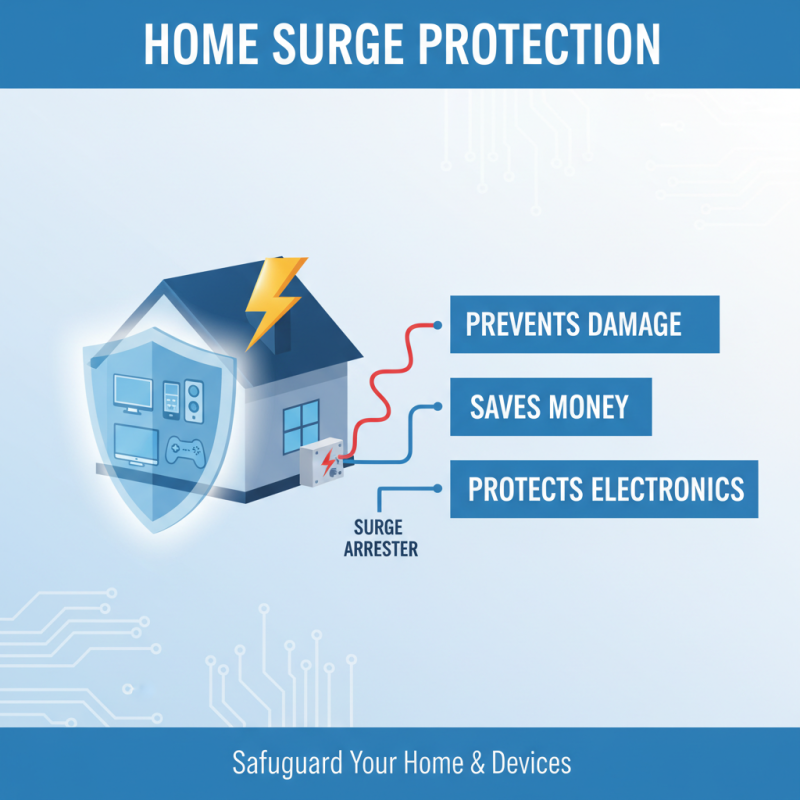
Why You Need a Surge Arrester: Protect Your Home and Electronics Safely
In an age where our homes are increasingly reliant on electronic devices, the necessity of a surge arrester cannot be overlooked. According to renowned electrical safety expert Dr. Emily Carter, "Investing in a surge arrester is not just a precaution; it’s a vital step in safeguarding your home and cherished electronics from unpredictable power surges." Such surges can be triggered by a variety of factors, including lightning strikes, power outages, and even faulty wiring. Without adequate protection, the delicate circuitry of your appliances and devices can be compromised, leading to costly repairs and replacements.
The significance of a surge arrester extends beyond mere technology protection; it encapsulates a proactive approach to home safety. As our dependence on digital electronics continues to grow, so does the risk associated with power fluctuations. A surge arrester acts as the first line of defense, absorbing excess voltage and preventing it from causing irreversible damage. By prioritizing the installation of a surge arrester, homeowners can ensure a safer living environment while preserving the functionality and longevity of their invaluable gadgets. In this article, we will delve deeper into the importance of surge arresters, the potential risks of neglecting this critical component, and how to choose the right surge protection for your needs.
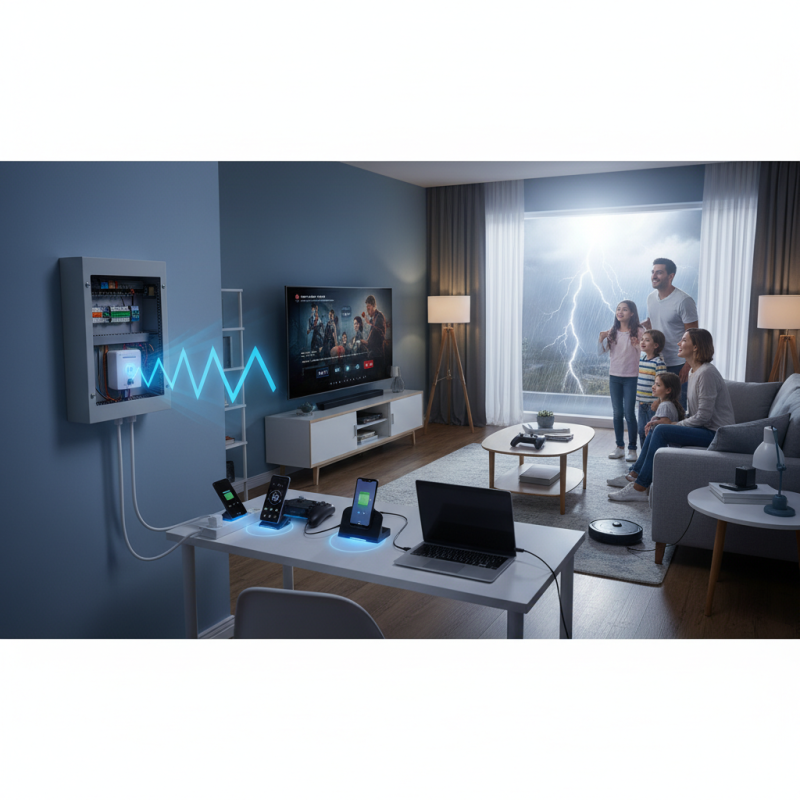
Understanding Surge Arresters and Their Functionality
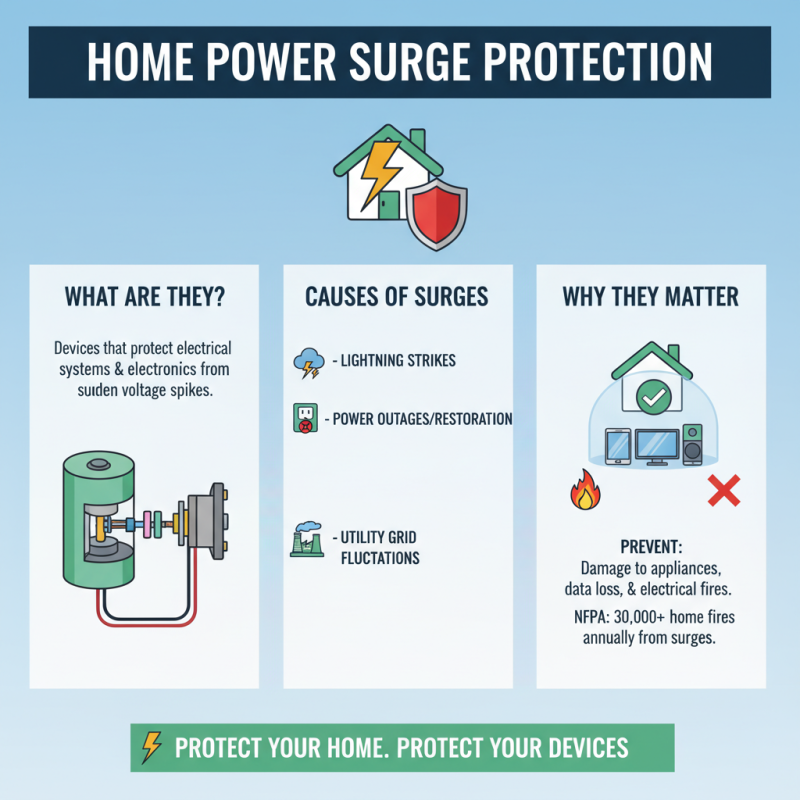
Surge arresters, often overlooked in home safety, play a crucial role in protecting both your home and electronic devices from unexpected power surges. These surges can occur due to lightning strikes, power outages, or sudden changes in electricity demand, leading to voltages that exceed the normal limits. The National Fire Protection Association (NFPA) indicates that surge-related incidents account for over 30,000 home fires annually in the United States alone, emphasizing the importance of implementing protective measures to guard against such occurrences.
Understanding how surge arresters function is vital for homeowners seeking to safeguard their investments. These devices are designed to divert excess voltage away from sensitive electronics. When a surge is detected, surge arresters create a path for the excess energy, redirecting it to ground and preventing it from flowing through the electrical system. According to a report by the Institute of Electrical and Electronics Engineers (IEEE), surge protectors can prevent damage to electronics in up to 85% of cases, demonstrating their effectiveness in reducing the risk of equipment failure and costly replacements. By utilizing proper surge protection, homeowners can preserve the longevity of their appliances and reduce potential repair costs significantly.
How Power Surges Occur and Their Impact on Electronics
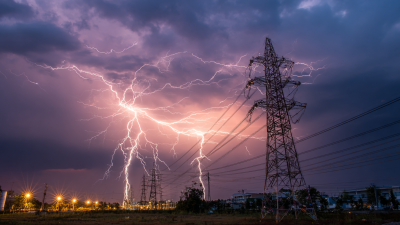
Power surges can occur due to various factors, often leading to significant damage to your home electronics. These surges typically happen when there is a sudden increase in voltage, which can be caused by
lightning strikes, power outages, or even the cycling of large appliances like refrigerators and air conditioners. Such fluctuations in electrical current can overwhelm the sensitive components within devices, resulting in malfunctions or
complete failure. Understanding the causes of power surges is crucial for homeowners who want to protect their valuable electronics.
The impact of power surges on electronics can be severe and often goes unnoticed until it's too late. Even minor surges can weaken devices over time, reducing their lifespan and efficiency. For instance,
computers, televisions, and home theater systems may suffer from circuitry damage, leading to costly repairs or replacements. In some cases, a single surge can irreparably harm a device, resulting in
data loss or permanent shutdown. By comprehending how these electrical anomalies occur and taking proactive measures, such as installing a surge arrester, homeowners can safeguard their investments and ensure a stable and secure electrical environment.
Benefits of Installing Surge Arresters in Your Home
Surge arresters play a crucial role in safeguarding your home and electronics from voltage spikes and electrical surges. These unexpected surges can be caused by various factors, including lightning strikes, power outages, or even the cycling of appliances within your home. By installing surge arresters, homeowners can prevent these transient voltages from damaging sensitive equipment like computers, televisions, and other electronic devices. The benefits of proactive protection are manifold, as they can save you from costly repairs and replacements.
One significant advantage of surge arresters is their ability to enhance the longevity of your electrical devices. By absorbing excess voltage, they ensure that the normal operating conditions of your appliances are maintained, reducing wear and tear. This is particularly important in today's digital age, where households rely heavily on electronic devices for work, communication, and entertainment. Moreover, surge arresters also improve overall home safety by reducing the risk of electrical fires caused by overheating wires and systems during a surge event.
Furthermore, the peace of mind that comes with having surge protection cannot be understated. Homeowners can go about their daily lives without the worry that a sudden power spike might compromise their valuable electronics or pose a safety hazard. Investing in surge arresters is a small yet effective step toward creating a more secure and reliable home environment, ensuring that both your electronics and your family are protected from unforeseen electrical disturbances.
Choosing the Right Surge Arrester for Your Needs
When selecting a surge arrester, it’s essential to understand the specific needs of your home and electronics. The first step is determining the level of protection required based on the equipment you own. For instance, sensitive devices such as computers, TVs, and home theater systems may require a higher level of protection, while basic lighting fixtures might need less. Checking the joule rating of a surge arrester can provide insights into its capacity to absorb energy spikes. A higher joule rating generally indicates better protection against surges.
**Tips:** Consider the types of devices you have in your home. Devices like refrigerators and air conditioners often have motors that can generate surges when starting. Make sure to choose a surge arrester that can handle these types of surges without compromising your other electronics.
Another important factor is the response time of the surge arrester. A faster response time means the arrester will react more quickly to voltage spikes, minimizing potential damage to your electronics. Look for models that boast a low nanosecond response time for optimal protection. Additionally, ensure that the surge arrester is compatible with your home's electrical system to guarantee seamless integration and effective safeguarding of your devices.
**Tips:** Regularly inspect your surge arrester to ensure it is functioning correctly. Some models have indicator lights that show they are still operational, while others may need to be replaced after absorbing a significant surge. Always prioritize safety and prevent any damage to your valuable electronics.
Proper Installation and Maintenance of Surge Arresters
Proper installation and maintenance of surge arresters is crucial for ensuring the safety of your home and electronic devices. When installing a surge arrester, it is important to position it close to the electrical panel to effectively intercept surges before they can travel through the wiring. Make sure to follow the manufacturer’s instructions regarding the wiring and connections, as improper installation can lead to ineffective surge protection or even damage to your system. Employing a qualified electrician can help ensure that everything is set up correctly, adhering to local electrical codes and safety standards.
Once installed, regular maintenance of your surge arrester is essential for optimal performance. Periodically inspect the device to check for any signs of wear or potential failure, such as discoloration, cracks, or any damaged components. Keep an eye on the indicator lights, if available, which signal the operational status of the arrester. Additionally, it’s prudent to replace the surge arrester after a significant power surge or lightning storm, as these events can diminish its protective capabilities over time. Being proactive about both installation and maintenance will greatly enhance the longevity of your electrical system and safeguard your valuable electronics.
Why You Need a Surge Arrester: Protect Your Home and Electronics Safely
| Dimension |
Description |
Importance |
| Type of Surge Arrester |
Varistor, Gas Discharge, TVSS (Transient Voltage Surge Suppressor) |
Different types provide varying levels of protection. |
| Installation Location |
Main electrical panel, point-of-use, or whole-house |
Proper placement affects effectiveness and protection scope. |
| Maximum Surge Current (kA) |
Varies as per model, typically between 5kA to 100kA |
A higher kA rating indicates better protection against surges. |
| Response Time (ns) |
Typical ranges from < 1 ns to 100 ns |
Faster response times can minimize damage from transient surges. |
| Maintenance Frequency |
Every 1-2 years recommended |
Regular checks ensure ongoing protection and functionality. |
| Indicators |
Visual or audible indicators for functional status |
Helps in identifying whether the surge arrester is functioning properly. |