Essential Tips for Choosing Electric Cut Out Fuse for Your Needs
Choosing the right Electric Cut Out Fuse is crucial for both safety and efficiency. These fuses protect electrical circuits from overloads and short circuits. Understanding your specific requirements is essential in making an informed decision.
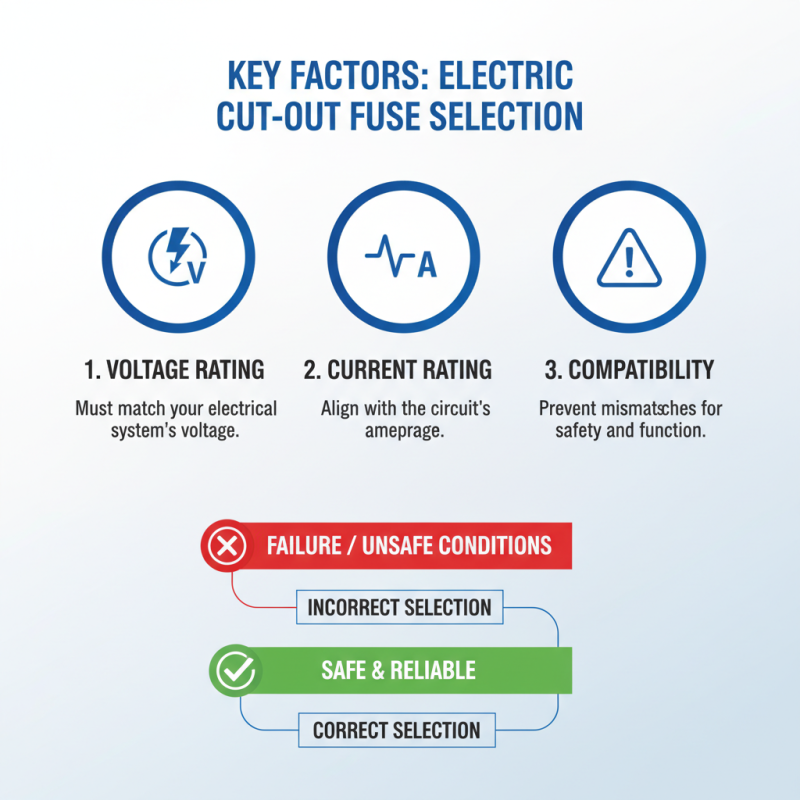
When selecting an Electric Cut Out Fuse, consider factors such as voltage ratings, current capacity, and application type. Each setting has unique demands. Not all fuses are designed for the same purpose, and mismatches can lead to failures or costly repairs.
While there are many options available, it's important to reflect on the reliability of your choices. Poor-quality fuses can lead to serious consequences. Research brands and seek expert advice to ensure you choose a dependable product. It's wise to acknowledge that not every fuse will suit your needs perfectly. Taking the time to evaluate your options can make a significant difference.
Understanding Electric Cut Out Fuses: Types and Their Applications
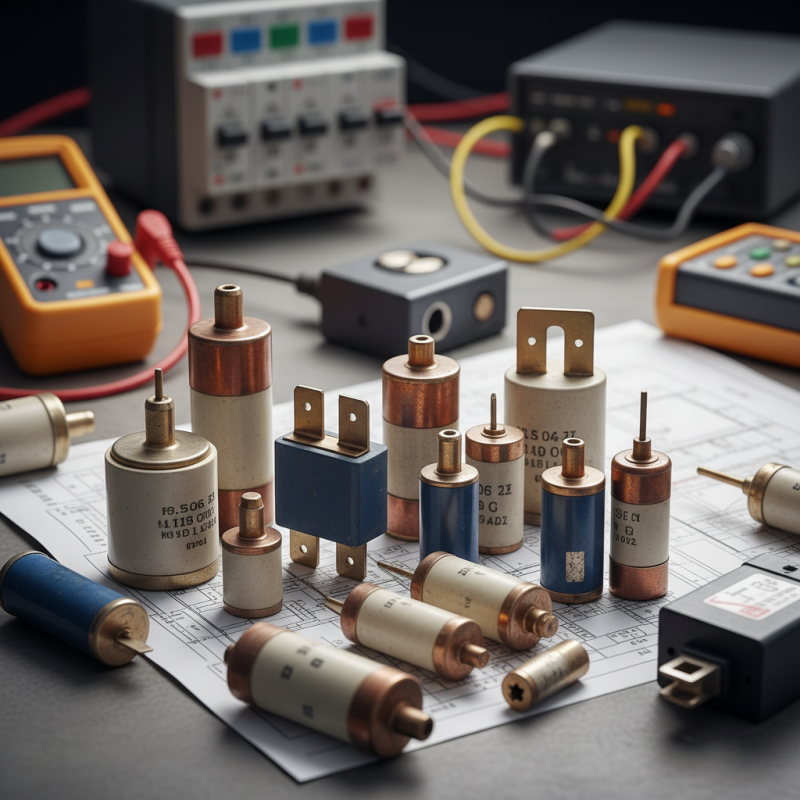
Electric cut out fuses are crucial for protecting electrical circuits. They come in various types, each designed for specific applications. Understanding these types can help you make a better choice. There are cartridge fuses, which are popular for their simplicity. They are easy to replace and come in different ratings. Another type is the resettable fuse, known as a Polyfuse. It can reset itself after an overload, saving you time and hassle.
Different settings require different fuses. For residential use, a fast-acting fuse might be ideal. It responds quickly to surges, preventing damage. In industrial settings, time-delay fuses are often used. They can tolerate brief overloads without blowing. It’s essential to know the requirements of your specific application.
Choosing the wrong type can lead to problems. Consider consulting with an electrical expert if you're unsure. The right fuse makes a significant difference in ensuring safety and efficiency in your systems.
Industry Standards and Ratings for Electric Cut Out Fuses
When selecting an electric cut out fuse, understanding industry standards and ratings is crucial. These standards ensure safety and reliability in electrical systems. According to IEC 60269 and UL 248, fuses must undergo rigorous testing to meet performance metrics. The current ratings, voltage ratings, and time-delay characteristics are key components in choosing the right fuse.
It’s essential to assess the application's voltage and current requirements. For instance, in industrial settings where high power is involved, fuses rated above 100 A are common. A report by the National Electrical Manufacturers Association highlights that using fuses with incorrect ratings can lead to system failures or equipment damage.
Choose fuses with a clear understanding of their breaking capacity, the maximum fault current they can safely interrupt. Using fuses with under-rated breaking capacity may leave your system vulnerable. Be cautious of over-reliance on generic recommendations. Always analyze specific operational conditions.
Evaluate the environment where the fuse will be used. Factors like temperature, humidity, and exposure to contaminants can impact performance. Selecting the right fuse isn't just about specifications; it requires a holistic view of your electrical system's needs.
The Importance of Load Calculation in Choosing Electric Cut Out Fuses
When selecting electric cut out fuses, understanding load calculation is crucial. Load calculation involves determining the total electrical load your circuits will carry. This step ensures safety and efficiency in your electrical system. If you underestimate the load, fuses may blow frequently, causing inconvenience and potential hazards. Conversely, overestimating can lead to unnecessary costs and wasted resources.
It is essential to calculate both continuous and peak loads accurately. Continuous load refers to the load expected to run for three hours or more. Peak load, however, indicates the maximum level of demand during brief periods. Monitoring these values helps in selecting the right fuse rating. Ignoring load calculation can result in choosing fuses that either don't protect your system or cost too much to replace.
Many users overlook this step, focusing solely on the brand or type of fuse. This habit leads to poor decision-making and system interruptions. Relying on past experiences without considering current data also brings risks. A thorough approach to load calculation enhances the reliability of your electrical setup.
Load Calculation for Electric Cut Out Fuses
This bar chart illustrates the recommended fuse ratings based on different load calculations for residential and commercial applications. Proper load calculation is essential in ensuring the safety and efficiency of your electrical system.
Maintenance and Testing Tips for Electric Cut Out Fuses
When it comes to electric cut out fuses, maintenance is key to ensuring longevity and reliability. Regular visual inspections are essential. Look for signs of wear, corrosion, or physical damage. Any discoloration can indicate overheating, which is a red flag. Clean the fuse holder and connections to prevent any build-up that could cause faulty performance.
Testing your fuses is equally important. Utilizing a multimeter can help determine whether a fuse is functioning correctly. Ensure you test when the power is off to avoid accidents. If you notice inconsistencies in readings, replace the fuse. Regularly testing and replacing fuses may seem tedious, but it prevents larger electrical issues. Maintaining equipment focused on its specific needs ultimately enhances safety and efficiency. Reflecting on these basics may show gaps in your current practices. Are you overlooking any detail?
Essential Tips for Choosing Electric Cut Out Fuse for Your Needs - Maintenance and Testing Tips for Electric Cut Out Fuses
| Aspect |
Description |
| Fuse Rating |
Choose the correct ampere rating to match your circuit load. |
| Type of Fuse |
Select between cartridge, plug, or resettable fuses based on application. |
| Voltage Rating |
Ensure the fuse can handle the maximum circuit voltage. |
| Environmental Considerations |
Consider operating conditions such as temperature and humidity. |
| Testing Frequency |
Conduct regular testing every 6 to 12 months to ensure functionality. |
| Maintenance Tips |
Inspect for corrosion, wear and ensure proper connections. |
| Replacement Guidelines |
Replace fuses with the same type and rating to maintain safety. |