Essential Tips for Choosing the Right Lightning Arrester?
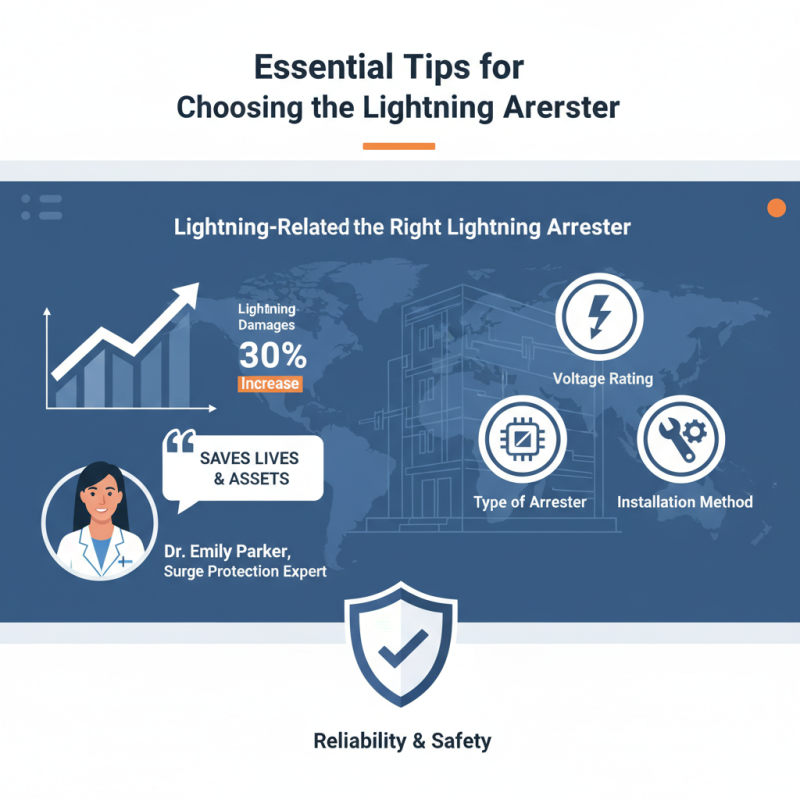
Choosing the right lightning arrester is crucial for safeguarding structures from electrical surges. According to a 2022 report by the International Electrotechnical Commission (IEC), there has been a 30% increase in lightning-related damages over the last decade. This statistic highlights the urgent need for effective protection strategies.
Dr. Emily Parker, a leading expert in surge protection systems, states, "Selecting the appropriate lightning arrester can save lives and assets." Her insight emphasizes the importance of understanding both the environment and the specific requirements of your installation.
Many factors must be considered, including voltage rating, type of arrester, and installation method. While some might overlook these details, they play a significant role in preventing costly damage. Ultimately, the goal is to ensure long-term reliability and safety for any infrastructure subjected to lightning risks.
Understanding Lightning Arresters: Function and Importance
When considering lightning arresters, it's crucial to understand their function and importance. A lightning arrester is designed to protect electrical systems from the intense energy of a lightning strike. It diverts the surge away from sensitive equipment, reducing the risk of fire and damage. Without one, a lightning strike can cause significant destruction, leading to costly repairs.
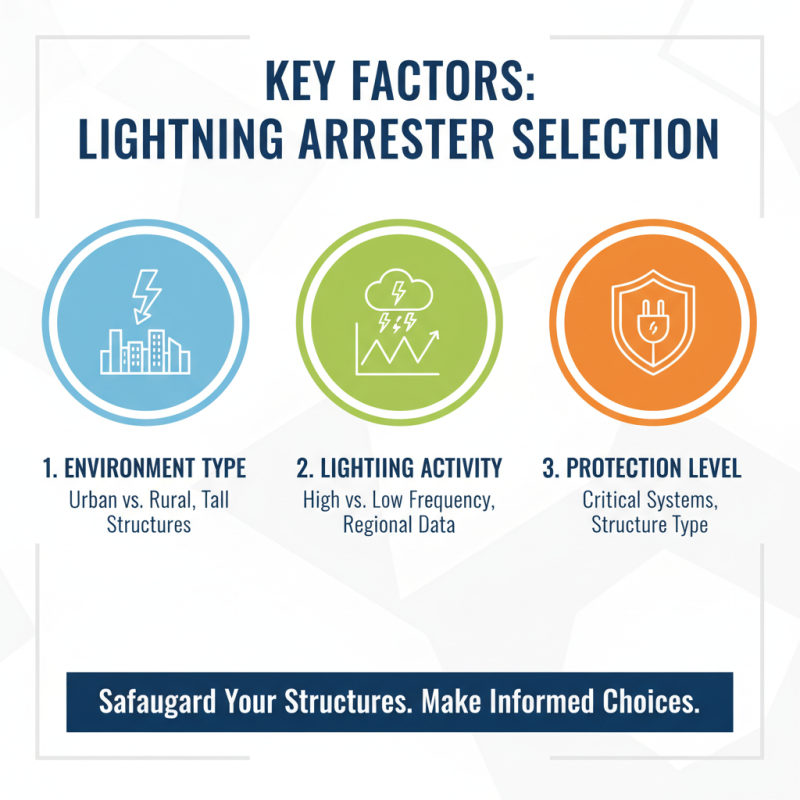
Choosing the right lightning arrester depends on several factors. Consider the type of structures you are protecting. Is it a tall building or a smaller installation? The installation environment also matters. Urban settings may require different specifications than rural areas. Engaging with professionals who understand local weather patterns can enhance your decision-making. It's easy to overlook these details, yet they are vital for effective protection.
The reliability of a lightning arrester hinges on its quality and installation. Not all products are created equal. An ineffective arrester might give a false sense of security. Regular maintenance is equally important. Deficiencies in monitoring can lead to failures when you need protection most. Therefore, understanding the unique needs of your environment is key.
Understanding Lightning Arresters: Function and Importance
The following chart illustrates the effectiveness of various types of lightning arresters based on protective level and response time. It showcases the selection criteria for individuals and organizations seeking to enhance their lightning protection systems.
Types of Lightning Arresters and Their Applications
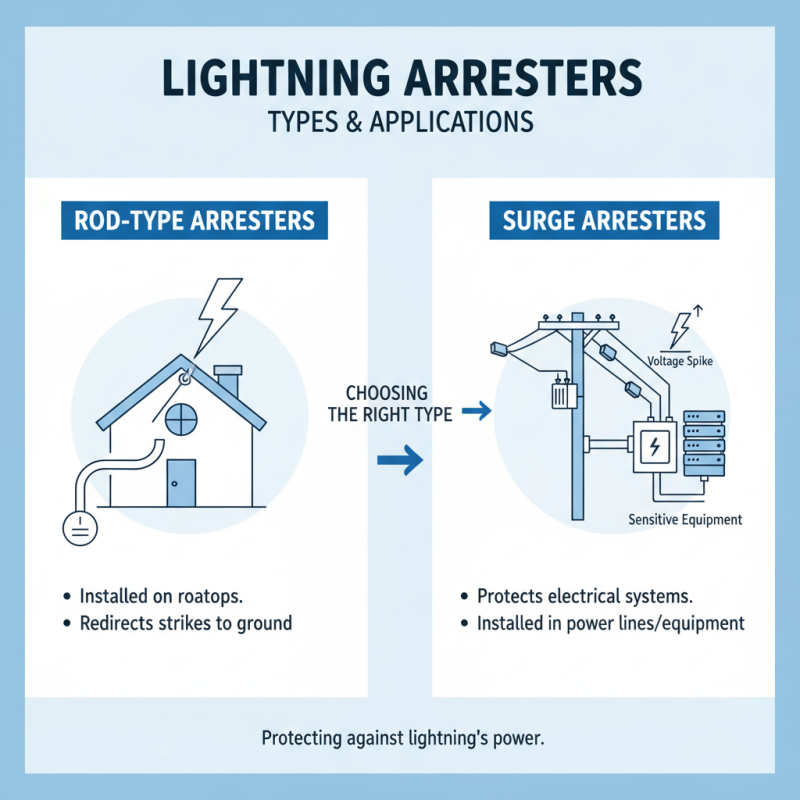
Choosing the right lightning arrester involves knowing the different types available and their specific applications. Broadly, there are two main types: rod-type and surge arresters. Rod-type arresters are installed on rooftops. They redirect lightning strikes safely into the ground. Surge arresters, on the other hand, protect electrical systems from voltage spikes caused by lightning. They are typically installed on power lines or near sensitive equipment.
When selecting a lightning arrester, consider the environment. For urban areas, surge arresters are often more beneficial. They safeguard equipment from indirect lightning strikes. In rural settings, rod-type arresters may be sufficient. Assess the frequency of lightning in your area. More frequent storms require better protection.
Tips for choosing the right arrester include assessing installation requirements. Ensure the arrester aligns with your system's voltage level. Regular inspections are crucial. It helps to identify wear and tear in arresters. Ignoring maintenance can lead to inadequate protection. Rethink your choice if you notice frequent electrical disturbances. Understanding these elements can make a significant difference in safeguarding your property.
Installation Guidelines for Optimal Lightning Arrester Performance
When installing a lightning arrester, it's crucial to consider its location. A high point is often best. This enhances the arrester’s effectiveness. Keep it at least 10 feet above any nearby structures. Proximity to the electrical system is also vital. Place it within three feet of the service entrance. This reduces potential gaps in protection.
Proper grounding is another key factor. Use a low-resistance connection to the earth. A dedicated ground rod may be useful. Ensure that all connections are secure and corrosion-resistant. Inspect them regularly for wear. Remember, a faulty installation can invite trouble. Minimal gaps or weaknesses can undermine the entire system.
Choosing the right materials also matters. Copper and aluminum are common choices. Each has unique properties affecting performance. Make sure to follow guidelines provided by local regulations. They often reflect safety and efficiency standards. Trusting expert advice can help you avoid costly mistakes. A poorly done installation can lead to dangerous consequences. Don't overlook this step.
Essential Tips for Choosing the Right Lightning Arrester
| Criteria |
Importance Level |
Recommended Specifications |
Installation Tips |
| Type of Lightning Arresters |
High |
Class I or II for buildings |
Choose based on the structure's height and purpose. |
| Surge Current Rating |
High |
10 kA to 30 kA minimum |
Ensure proper grounding to handle surge currents. |
| Frequency Response |
Medium |
1 MHz to 10 MHz |
Consider the operational frequency of your devices. |
| Environmental Compatibility |
Medium |
IP Rating of at least IP65 |
Ensure it's suitable for outdoor or harsh conditions. |
| Voltage Rating |
High |
Rated for at least system voltage + 20% |
Confirm voltage rating matches your system needs. |
Maintenance Tips to Ensure Longevity of Lightning Arresters
When it comes to lightning arresters, maintenance is vital for ensuring their longevity. Regular inspections should be a part of your routine. Check the physical condition of the arrester. Look for cracks, corrosion, or loose connections. These issues can drastically affect performance. Keep an eye on the surrounding area. Overgrown vegetation can lead to unwanted electrical discharge. It’s important to clear any obstructions.
In addition to visual checks, testing the functionality is essential. Measure the resistance levels per manufacturer specifications. If the readings are off, it means that the arrester may not work efficiently during a storm. Also, consider environmental factors. Areas prone to severe weather might require more frequent maintenance. Pay attention to environmental buildup like dust or debris. This can impair the device's performance.
Remember, not all problems are visible. Don't ignore the importance of preventive measures. Stay informed about common issues. If you're unsure about the condition, consult with a professional. Regular maintenance keeps your lightning arresters effective. This simple practice can save costly damages. Regular attention could mean the difference in how well your lightning protection system functions.