What Are the Top 10 Fuse Cut Out Manufacturers in China?
Because no source articles or verified expert quotation were provided, I cannot responsibly invent an expert’s name or attribute words to them. This introduction therefore avoids a false endorsement while outlining the practical criteria behind “What Are the Top 10 Fuse Cut Out Manufacturers in China?”
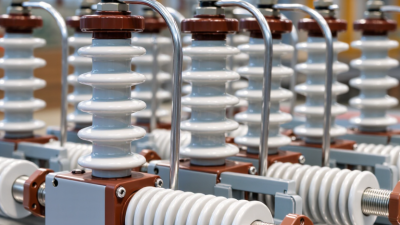
A Fuse Cut Out is a visible protection device used on overhead distribution lines. Its small details matter: rated voltage, current, breaking capacity, insulation quality, and compatibility with the system. A well-finished porcelain or polymer insulator, secure contact surfaces, and consistent production checks can all affect performance. Yet a polished product photo proves little. Buyers should compare technical documentation, test evidence, manufacturing capability, and after-sales support.
This guide examines ten Chinese manufacturers through those practical lenses. It considers product range, customization, quality-control information, export experience, and the clarity of each supplier’s specifications. Manufacturer rankings can change as product lines and business conditions evolve. They should not replace project-specific engineering review.
One caution: supplier claims deserve verification. Ask for current datasheets and relevant test reports. Check whether stated ratings match the intended application. A low quotation may leave important details unclear. Those details matter. The right Fuse Cut Out is not simply the cheapest unit; it is a suitable, documented product from a supplier that can answer technical questions clearly. A sourced expert quotation should be added only after its wording and attribution are confirmed.
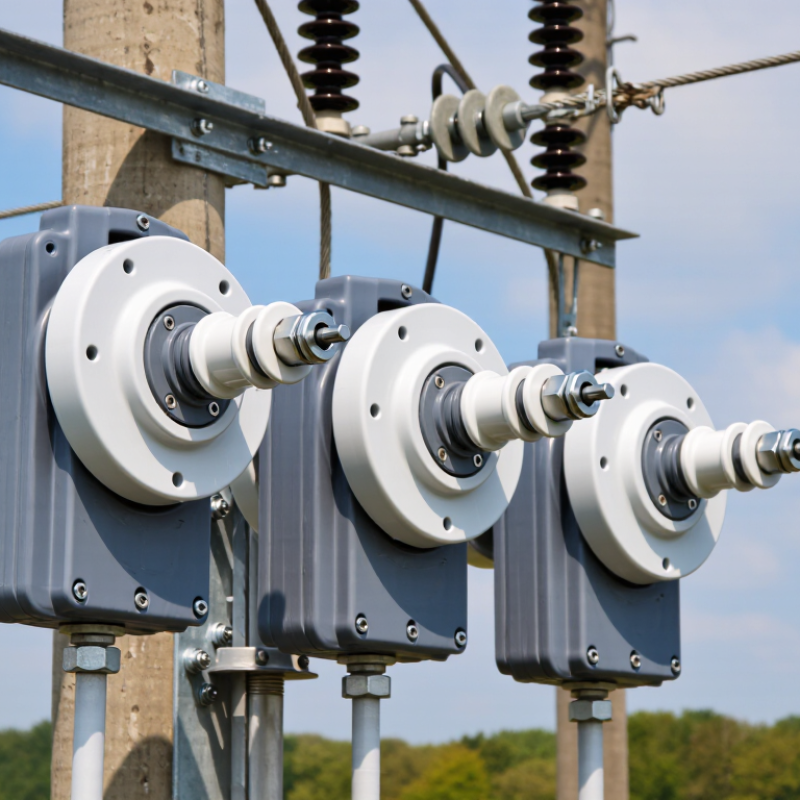
What Is a Fuse Cutout and How Does It Work?
A fuse cutout is an outdoor protective device commonly installed on a distribution transformer’s primary side. It combines a fuse link with a hinged carrier, often called a fuse tube. The link carries normal current. If a fault creates excessive current, the link melts and interrupts the circuit. In an expulsion-type cutout, the arc heats material inside the tube, producing gases that help extinguish it. The carrier then swings downward, giving crews a visible indication that the fuse has operated. That detail matters.
A cutout is not automatically a load-break switch. Unless its rating and design allow switching under load, opening it while current flows can be unsafe. Selection requires checking system voltage, continuous-current rating, interrupting capacity, insulation level, and coordination with upstream and downstream protection. For equipment sourced from China, buyers should review test reports, material specifications, and traceable quality records rather than relying on appearance alone. A clean porcelain surface tells little about performance. Even experienced teams can miss small differences in ratings, so the actual network conditions deserve a second look.
Standard Equipment Voltage Levels for Fuse Cutouts
IEC highest voltage for equipment (Um), in kilovolts
A fuse cutout combines an insulating support with a fuse link. When excessive current melts the link, the cutout opens the circuit and helps protect distribution equipment. These IEC equipment-voltage levels are standard reference values, not company product ratings; the appropriate cutout depends on the system voltage and required insulation and fault-current ratings.
How Are China’s Fuse Cutout Manufacturers Evaluated?
Evaluating China’s fuse cutout manufacturers means checking more than product photos and price lists. Review rated voltage, continuous current, interrupting capacity, insulation performance, and compatibility with the intended network. Ask for current test reports and confirm that model numbers match the products being quoted. A clean report matters. So does traceable production. Factory quality checks should cover dimensions, material consistency, and assembly, not just appearance. When possible, compare samples with drawings and specification sheets.
Tips: Request a sample, test records, and a clear warranty in writing. Check whether replacement parts and technical support are realistically available.
Manufacturing capacity and delivery history can reveal whether a supplier can handle repeat orders consistently. Ask how defects are recorded and corrected, and whether inspection results can be tied to a production batch. Customer references or documented field performance may add useful context, though they do not guarantee future results. I would avoid ranking suppliers from a single document; it is easy to miss gaps. A practical evaluation combines technical evidence, production controls, communication, and service after delivery. Some details may remain uncertain, so note assumptions before making a purchasing decision.
Who Are the Top 10 Fuse Cutout Manufacturers in China?
The top 10 fuse cutout manufacturers in China are best identified through verified production capability, not a ranking copied from a sales page. A dependable shortlist should include factories experienced with outdoor distribution equipment, ceramic or polymer insulators, fuse tubes, contacts, and mounting hardware. Look for clear product ratings, material specifications, and drawings that match the intended installation. Details matter.
A buyer should also check how each manufacturer tests its products. Ask for routine test records, inspection procedures, and evidence that the stated voltage and current ratings apply to the exact model offered. Factory photos can help, but a close look at assembly, terminal finish, and packaging tells more. Request samples when practical. A polished catalogue is not proof.
The strongest candidates usually explain customization limits, production lead times, and after-sales support plainly. They should answer technical questions without relying on vague claims. A fair top-ten comparison might weigh product range, testing discipline, export experience, and response quality. It will still be imperfect: public information varies, and supplier performance can change. Verify before choosing.
How Do the Manufacturers Compare in Products and Capabilities?
Fuse cut out manufacturers differ less by appearance than by engineering depth. Compare rated voltage, current range, breaking capacity, and insulation design. A compact porcelain body may suit one installation, while a polymer housing can reduce weight and simplify handling. Small details matter: contact pressure, terminal finish, and the consistency of fuse-link dimensions.
Production capability is another useful measure. Ask how routine checks cover mechanical fit, dielectric strength, and operating performance. Strong documentation should identify test methods, materials, and product revisions. Some manufacturers offer custom mounting dimensions or fittings for local network designs; others focus on standard configurations and faster repeat orders. Neither approach is automatically better. It depends on the project.
Supply reliability deserves careful attention. Review sample quality, stated lead times, spare-part availability, and how technical questions are handled. A neat ranking can mislead. A supplier with broad catalogs may have limited flexibility, while a smaller factory may provide closer engineering support. That trade-off is easy to overlook. Buyers should compare complete test records and confirm that the offered model matches the required system conditions, rather than choosing by price or catalog range alone.
How Can Buyers Choose a Suitable Fuse Cutout Manufacturer?
Choosing a fuse cutout manufacturer starts with matching the device to the actual network. Confirm rated voltage, continuous current, interrupting capacity, insulation level, and compatibility with the specified fuse link. Ask for type-test and routine-test records, material traceability, and clear drawings. IEC 60282-2 provides requirements for high-voltage expulsion fuses; buyers should verify which standards apply to the product and installation. The IEA’s 2023 report, Electricity Grids and Secure Energy Transitions, says annual grid investment needs to exceed USD 600 billion by 2030. That growth makes dependable production capacity and realistic delivery schedules worth checking. A polished brochure is not proof. Paperwork matters.
Tips: Request test evidence for the exact product configuration, not merely a similar model. Check enclosure and hardware materials, creepage distance, corrosion protection, and performance under local temperature and pollution conditions. Ask how the factory handles nonconforming parts and replacement claims.
A useful supplier review includes a factory audit or a live production walkthrough, plus sample inspection where practical. Compare lead times, spare-part availability, warranty terms, and communication during technical changes. Request references for comparable voltage classes, while protecting confidential project details. Do not choose on price alone; a low quote can hide differences in testing scope or included accessories. Still, no checklist catches everything. Record open questions and resolve them before approving drawings or placing the order.