What Are the Top 10 NH Fuse Types? This question matters wherever dependable low-voltage protection meets demanding industrial work. An NH Fuse can interrupt severe fault currents while protecting cables, motors, transformers, photovoltaic systems, and distribution equipment. However, “top” does not mean universally best. Selection depends on voltage, current, breaking capacity, time-current behavior, and the equipment being protected.
Electrical protection specialist Dr. Peter Hasse once stated, “A fuse must protect the system without becoming the system’s weakest decision.” That principle remains useful. This guide examines ten important NH fuse types, including gG, gM, aM, aR, gR, gPV, gTr, gS, gB, and specialized transformer or railway applications. Each type has a different purpose. Some protect general circuits. Others respond quickly to semiconductor faults or motor starting conditions.
The article will compare operating characteristics, typical applications, limitations, and practical selection details. It will also explain NH sizes, contacts, indicators, and coordination with switchgear. A gG fuse may suit a distribution panel, while an aM fuse requires separate overload protection for a motor circuit. Small differences matter. Very much.
Real installations are rarely perfect. Labels may be unclear, ambient temperatures may change, and available fault current can exceed early estimates. Therefore, this overview should support—not replace—manufacturer data, IEC 60269 requirements, and a qualified engineer’s verification. Some categories overlap in practice, and terminology can vary between suppliers. That is worth admitting. Careful checking remains the safest path to choosing the right Nh Fuse.
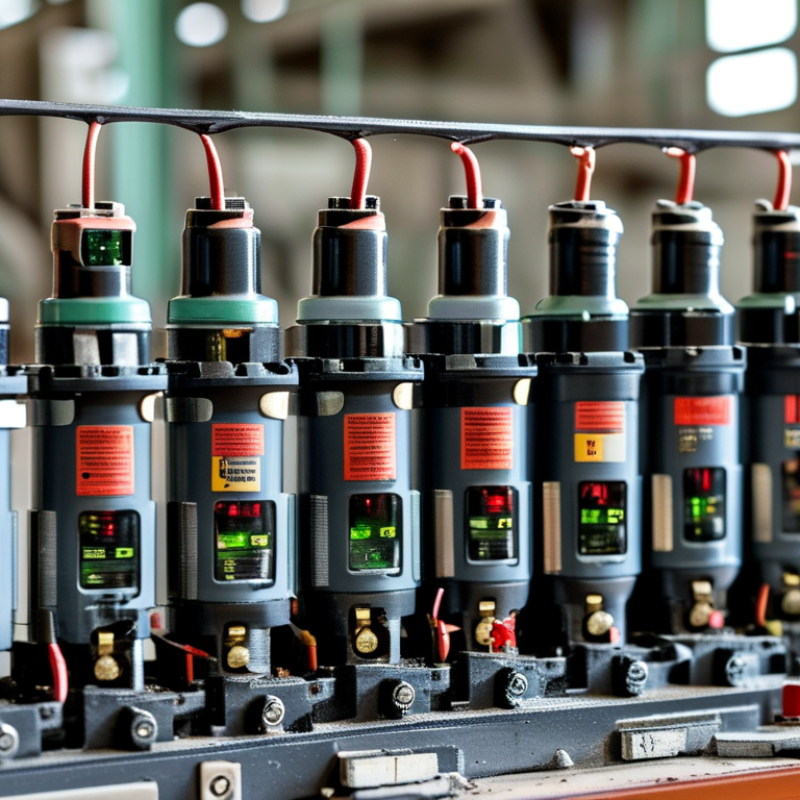
NH fuses are low-voltage cartridge fuses with knife contacts, a ceramic body, and silica sand for arc control. A practical top-ten map includes NH00, NH0, NH1, NH2, NH3, gG, aM, aR, gR, and gPV. These labels are not equal categories. NH00 to NH3 describe physical sizes, while gG, aM, and aR describe protection duties. This distinction is often missed.
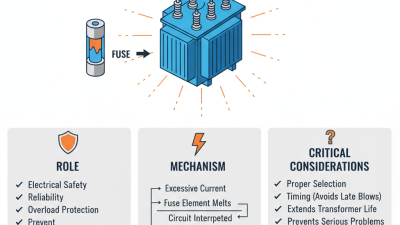
Inside the fuse, a calibrated element melts when current exceeds its time-current curve. The sand absorbs arc energy and helps stop current safely. Ratings include voltage, amperage, breaking capacity, and I²t energy. Under IEC 60269-1 and IEC 60269-2, low-voltage fuse systems can cover applications up to 1,000 V AC, while actual NH ratings depend on the specific design. Common industrial links range from several amperes to above 1,000 amperes. High fault-current performance matters.
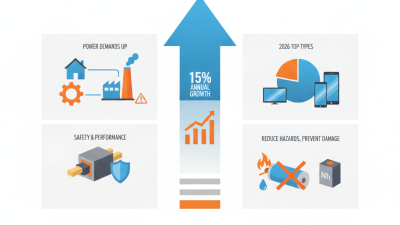
The IEA Electricity 2024 report expects global electricity demand to grow by about 3.4% annually through 2026, increasing pressure on distribution protection. Still, larger demand does not automatically mean a larger fuse is correct.
Tips:
Match the fuse class to the load. gG protects general circuits, aM supports motor short-circuit protection, and aR or gR suits semiconductor equipment. Check the holder size, voltage, breaking capacity, and coordination chart. A fuse can fit physically yet fail electrically. Field checks should also inspect heat discoloration, loose contacts, and damaged striker indicators. Selection tables help, but they cannot replace measured system data.

NH fuse types are best classified by size, operating speed, and application. The common physical sizes are NH000, NH00, NH0, NH1, NH2, and NH3. Smaller bodies suit compact distribution boards, while larger bodies handle higher currents and greater heat. For example, an NH000 gG fuse may protect a small feeder, while an NH2 gG fuse can serve a larger industrial panel. Size alone does not define performance.
The ten practical types include NH000 gG, NH00 gG, NH0 gG, NH1 gG, NH2 gG, and NH3 gG for general overload and short-circuit protection. NH00 aM, NH1 aM, and NH2 aM are designed for motor circuits, where starting current can briefly rise. NH1 aR is used for fast semiconductor protection. For solar arrays, an NH00 gPV type may be selected for direct-current conditions. These examples show how body size and fuse class work together.
Speed matters. A gG fuse responds to overloads and short circuits, while an aM fuse mainly protects motors against short circuits. Semiconductor circuits often need aR or gR action because sensitive components tolerate very little fault energy. Photovoltaic circuits require suitable DC ratings, not merely a familiar NH size. A neat ranking can mislead. I would check voltage, prospective fault current, cable capacity, ambient temperature, and coordination with the disconnect device before selecting one. Always verify the marking and installation method against applicable electrical standards and the equipment manufacturer’s data.
NH fuses are low-voltage, knife-contact fuses used in distribution panels, motor circuits, and industrial equipment. Their key characteristics depend on both physical size and operating class. NH000 suits compact circuits and typically handles lower ratings. NH00 offers a small body with broader current capacity. NH0 fits general feeder protection. NH1 supports higher ratings in larger panels. NH2 provides greater thermal capacity for heavy feeders. NH3 is designed for very high current applications and requires careful enclosure planning.
The protection class changes the fuse’s response. NH gG fuses protect cables and general circuits against overloads and short circuits. NH aM fuses protect motor branches, but they usually need separate overload protection. NH aR fuses provide very fast semiconductor protection. NH gR fuses also respond quickly and can protect sensitive power electronics. NH gPV fuses are developed for photovoltaic circuits, where direct current and outdoor temperature changes matter. Each type has distinct voltage, current, breaking-capacity, and heat-dissipation limits. Not interchangeable. Field experience shows that a fuse can fit mechanically yet remain electrically unsuitable. Selection should match conductor size, prospective fault current, load behavior, ambient temperature, and the manufacturer’s certified data. One detail is often missed: contact resistance can increase heating over time. Regular inspection helps, although inspection alone cannot replace correct design.
| Rank | NH Fuse Type | Utilization Category | Primary Protection Function | Typical Applications | Time-Current Behavior | Key Characteristics |
|---|---|---|---|---|---|---|
| 1 | NH gG | Full-range | General-purpose protection against overloads and short circuits | Distribution feeders, switchboards, cables, industrial equipment and general low-voltage circuits | Provides protection across the complete current range, including sustained overloads and high short-circuit currents | The most versatile NH category; commonly used where both overload and short-circuit protection are required |
| 2 | NH aM | Partial-range | Short-circuit protection for motor circuits | Motor starters, contactor-controlled motors and circuits with high starting currents | Designed to withstand normal motor starting current; separate overload protection is required | Suitable for motor branch circuits but not a complete substitute for an overload relay or motor protection device |
| 3 | NH aR | Partial-range | Very fast short-circuit protection for semiconductor devices | Rectifiers, inverters, converters, soft starters and other power-electronic assemblies | Clears high fault currents rapidly but generally requires additional overload protection | Optimized for low I²t and fast fault interruption; coordination with semiconductor components is essential |
| 4 | NH gR | Full-range | Full-range protection for semiconductor equipment | Power converters, drives, industrial inverters and semiconductor-based power systems | Provides fast response over a broad current range, including overload and short-circuit conditions | Combines semiconductor-oriented speed with full-range protection; typically has low energy let-through |
| 5 | NH gS | Full-range | Combined cable, general circuit and semiconductor protection | Industrial distribution systems containing power-electronic loads and conventional conductors | Offers full-range interruption with a faster response than many conventional general-purpose designs | Useful when one fuse link must coordinate with both cables and sensitive power-electronic equipment |
| 6 | NH gPV | Full-range DC | Protection of photovoltaic circuits against overload and short circuit | PV string circuits, combiner boxes, DC distribution and solar inverter inputs | Designed for the special DC characteristics of photovoltaic systems, including continuous current and elevated DC voltages | Requires correct DC voltage rating, polarity, installation category and coordination with the PV system design |
| 7 | NH gTr | Full-range | Transformer circuit protection | Primary-side protection of distribution transformers and transformer-fed low-voltage installations | Configured to accommodate transformer magnetizing inrush while clearing abnormal overloads and short circuits | Helps reduce nuisance operation during energization; selection must consider transformer rating and inrush current |
| 8 | NH gB | Full-range | Protection of mining electrical circuits | Mining equipment, underground distribution systems and installations exposed to demanding service conditions | Provides full-range protection for overloads and short circuits in circuits requiring the applicable mining category | Selected according to the relevant mining regulations, enclosure requirements and system fault levels |
| 9 | NH gM | Full-range | Protection of motor circuits with broader fault coverage | Motor feeders where both overload and short-circuit protection are required within the fuse arrangement | Provides full-range interruption while allowing for normal motor starting conditions when correctly selected | Can simplify motor circuit protection, but coordination with the motor starter and overload protection remains necessary |
| 10 | NH gD | Full-range, time-delay | Protection of circuits with temporary inrush or starting currents | Transformer-fed circuits, motor-related loads and equipment with short-duration energization surges | Delayed response to selected overload conditions while maintaining short-circuit interruption capability | Reduces nuisance operation caused by transient current; the delay must not compromise cable or equipment protection |
Choosing the right NH fuse starts with the fault, not the fuse holder. Common variants include gG, aM, aR, gR, gPV, gTr, gB, gS, gN, and gD. Each serves a different protection purpose. The IEC 60269 series separates full-range and partial-range behavior, helping engineers match breaking capacity with system conditions. A gG fuse protects cables and general circuits. An aM fuse supports motor circuits but needs overload protection elsewhere. Semiconductor circuits usually require faster aR or gR performance.
Coordination matters just as much. A 160 A NH fuse should not simply replace a 125 A unit because the enclosure looks identical. Engineers should compare rated current, voltage, prospective short-circuit current, I²t, and time-current curves. IEC 60269-2 provides the dimensional and performance framework for industrial fuse systems. NFPA’s U.S. Fire Loss report recorded approximately 1.5 million fires in 2023, reinforcing why secure terminations and correct overcurrent protection deserve attention. The number does not prove that every incident involved fuse selection. It does show the cost of treating safety as an afterthought.
In practice, check conductor size, ambient temperature, inrush current, and available fault current. Inspect the contact blades for discoloration. A loose NH connection can create a hot, silent failure. Selective coordination may require testing, not assumptions. I have seen a technically correct fuse fail a project because its indicator, handle, or mounting arrangement was incompatible. That mistake is easy to miss. Verify the complete assembly against IEC requirements, local electrical rules, and the equipment manufacturer’s tested data.
What Are the Top 10 NH Fuse Types?
NH fuses are selected by size, voltage, current, and operating class. Common options include NH000, NH00, NH0, NH1, NH2, NH3, gG, aM, aR, and gPV. Size indicates physical dimensions and contact capacity. The operating class indicates the fault protection provided. A gG fuse offers general-purpose protection for cables and equipment. An aM fuse supports motor circuits but normally requires overload protection. Semiconductor applications may use aR or gR types. Photovoltaic circuits often require gPV fuses. Always verify the applicable standard and equipment documentation.
Installation requires isolation, lockout, and a confirmed absence of voltage. Only qualified personnel should perform this work. Inspect the fuse holder before fitting a replacement. Look for heat discoloration, cracked insulation, loose clips, and arc damage. A dull contact surface may indicate overheating. Use an insulated NH fuse handle, not improvised tools. Check the fuse rating, breaking capacity, size, and class against the circuit design. Tighten terminals to the specified torque. Too little torque causes heating; too much can damage threads. After energizing, measure unusual temperature rise with suitable equipment. Replacement should follow the same checks. Never bridge a fuse or install a higher-rated fuse to stop nuisance operation. That shortcut hides the fault. I have found inspection routines can become too hurried, especially after repeated trips. A written record of readings, damage, and replacement dates helps expose that weakness.