Top Lightning Surge Arrestors to Consider in 2025: Essential Buying Guide
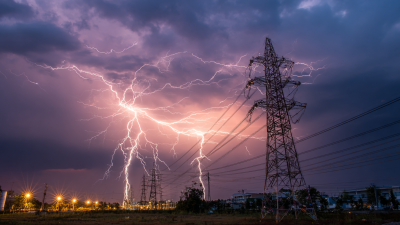
In recent years, the importance of Lightning Surge Arrestors has become increasingly evident as the frequency and intensity of lightning storms have risen globally. According to a report by the National Oceanic and Atmospheric Administration (NOAA), lightning-related damages can amount to billions of dollars annually, underscoring the necessity of investing in effective protection systems. A well-chosen lightning surge arrestor not only safeguards valuable electrical infrastructure but also enhances safety for individuals and assets in both residential and commercial settings.
As we look towards 2025, technological advancements in lightning protection are expected to bring forth more efficient and reliable surge arrestors. The International Electrotechnical Commission (IEC) highlights that around 30% of electrical failures in industrial settings are attributable to transient over-voltages, often caused by lightning strikes. Consequently, selecting an appropriate lightning surge arrestor becomes a critical decision for engineers, facility managers, and homeowners alike. This buying guide aims to illuminate the essential factors to consider when selecting a lightning surge arrestor, ensuring that investments are well-informed and aligned with safety and performance standards.
Understanding Lightning Surge Arrestors: Function and Importance
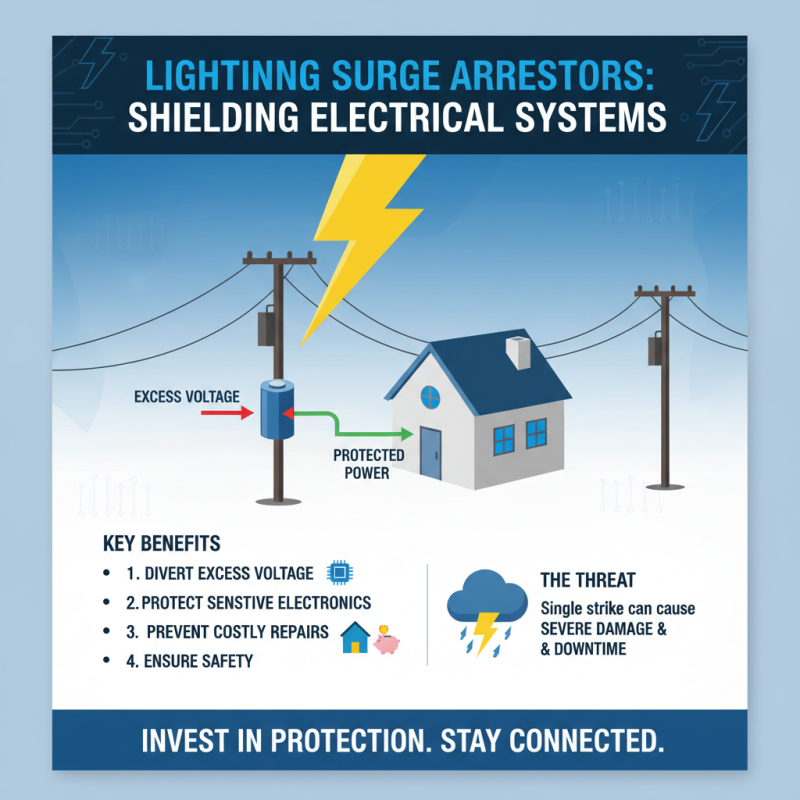
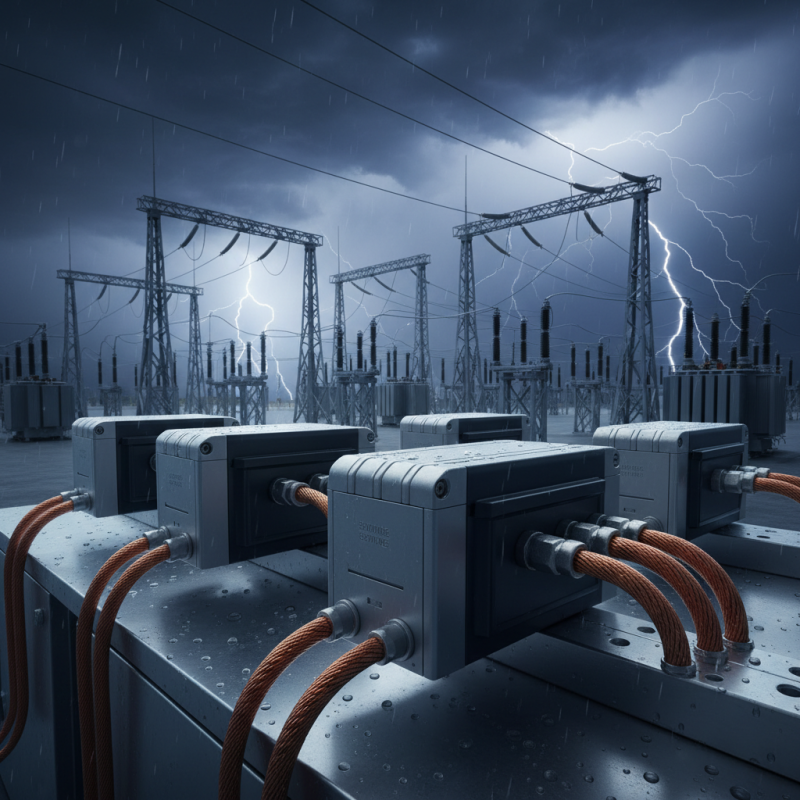
Lightning surge arrestors play a crucial role in protecting electrical systems from the devastating effects of lightning strikes and electrical surges. These devices are designed to divert excess voltage away from sensitive electronics, ensuring that buildings and their inhabitants remain safe during severe weather conditions. The importance of surge arrestors cannot be overstated, as a single lightning strike can result in significant damage to electrical infrastructure, leading to costly repairs and downtime.
Understanding how lightning surge arrestors function is key to appreciating their value. When a lightning strike occurs, it generates a high-voltage surge that can travel through power lines, communication lines, and even the ground. Surge arrestors act as a barrier, detecting these surges and redirecting the excess energy safely to the ground. This process not only protects the equipment connected to these systems but also helps maintain the integrity of electrical grids and minimizes disruptions. By investing in a quality surge arrestor, individuals and businesses can shield their valuable electronic devices from unpredictable and potentially catastrophic electrical events.
Key Features to Look for in Lightning Surge Arrestors
When selecting lightning surge arrestors, understanding the key features is crucial for effective protection against electrical surges. A primary consideration is the surge protection level, which is typically measured in kilovolts (kV). A surge arrestor should ideally handle transient voltages higher than the possible surge levels in your specific location. According to industry reports, the average lightning strike can deliver up to 1 million volts, making it essential for surge arrestors to have ratings that can withstand such intense currents for optimal performance.
Another important feature is the response time, which determines how quickly the surge arrestor can react to incoming surges. High-quality devices generally exhibit response times in the nanosecond range, allowing them to effectively clamp down on voltage spikes before they can create damage. Additionally, consider the energy absorption capability, often represented in joules, which indicates how much energy the device can safely dissipate during a surge. A surge arrestor with a higher energy absorption rating can provide added security for sensitive equipment, a crucial factor highlighted in recent market analyses where the demand for reliable surge protection has increased by over 25% in the last decade, attributed largely to the rise in advanced electronic devices in both commercial and residential sectors.
Top Lightning Surge Arrestors Performance Comparison (2025)
This bar chart compares the maximum surge current ratings of various lightning surge arrestors expected in 2025. It highlights the performance capabilities of each model, providing a quick reference for those considering their purchase options.
Top Brands and Models of Lightning Surge Arrestors for 2025
In 2025, selecting the right lightning surge arrestors is crucial for protecting electrical systems from potentially devastating surges caused by lightning strikes. According to industry reports, the global surge protection device market is projected to grow significantly, driven by increasing awareness of electrical safety and the rise in extreme weather events. In this context, consumers are advised to focus on key features such as response time, energy absorption capacity, and durability when evaluating potential models.
Top brands in the lightning surge arrestor market are continually innovating, offering products that meet or exceed the standards set by regulatory agencies. A recent analysis highlighted that the most effective surge arrestors have a response time of less than 5 nanoseconds, which is critical in safeguarding sensitive electronic equipment. Furthermore, devices with high energy absorption ratings, typically above 600 joules, provide enhanced protection, especially in areas prone to frequent thunderstorms. Buyers should also consider arrestors with extended warranties and robust customer support, as these factors often signify product reliability and manufacturer confidence.
Installation Tips and Best Practices for Surge Arrestors
When installing lightning surge arrestors, proper placement is crucial for optimal protection. It’s recommended to position the arrestors as close as possible to the equipment they are intended to protect. This minimizes the distance that lightning-induced surges must travel, reducing the risk of damage to electronic devices. Make sure to follow the manufacturer's guidelines regarding installation height and orientation for maximum efficacy.
One common practice is to utilize a grounded metal conduit for routing cables connected to the surge arrestors. This method not only helps in shielding the wiring from external electromagnetic interference but also enhances the overall grounding system. Additionally, it’s important to ensure that all connections are tight and secure to prevent any potential points of failure that could reduce the effectiveness of the surge protection.
Regular maintenance checks are essential to ensure the surge arrestors are functioning properly. Inspect for any signs of wear and tear, especially after severe weather events. Replace any components that appear damaged to maintain the integrity of your surge protection system. By following these best practices, you can significantly enhance the safety and longevity of your electrical installations against lightning strikes.
Regular Maintenance and Testing for Optimal Surge Protection
Regular maintenance and testing of lightning surge arrestors are crucial for ensuring optimal surge protection for both residential and commercial electrical systems. According to the IEC 61643-11 standard, surge protective devices (SPDs) can significantly reduce the risk of damage from transient overvoltage events by diverting excess energy away from sensitive equipment. Performing routine inspections can identify any signs of wear and tear, which can lead to compromised performance. It’s recommended that these systems be checked at least once a year, especially in areas prone to severe weather conditions.
One essential tip for maintenance is to conduct visual inspections. Look for any signs of physical damage, such as burnt or scorched markings, which may indicate that the arrestor has experienced significant stress and may need replacement. Additionally, testing the functionality of surge arrestors using specialized equipment can help identify potential issues early. A report by the National Lightning Safety Institute suggests that investing in periodic testing can enhance the lifespan of these devices, ultimately saving costs on repairs and replacements.
Another important aspect of maintenance is to ensure that all connections are secure and corrosion-free. Loose or corroded connections can lead to failures in surge paths, exposing equipment to harmful surges. By keeping connections tight and clean, you ensure that the surge arrestors operate effectively under all conditions. Regular maintenance not only protects your investment in surge protection devices but also secures the integrity of your overall electrical system.