Top 10 Power Transformer Fuse Types You Should Know?
Power Transformer Fuses play a critical role in electrical systems. They safeguard against overloads and short circuits. Recent industry reports indicate that improper fuse selection can lead to significant downtime and financial loss. For instance, a study by the International Electrotechnical Commission highlighted that equipment failures due to inadequate protection cost industries millions annually. An effective Power Transformer Fuse not only prevents damage but also ensures system reliability.
Understanding the different types of Power Transformer Fuses is essential. Each type serves a unique purpose, offering various levels of protection. Research shows that using the right fuse can enhance operational efficiency by 30%. However, many facilities still use outdated fuse types, risking potential failures. This highlights the need for continuous education and assessment in the field. It begs the question: are we prioritizing the protection our systems truly need?
In conclusion, recognizing the top 10 Power Transformer Fuse types is more than an academic exercise. It is about enhancing safety, minimizing losses, and ensuring long-term system reliability. The industry must acknowledge and adapt to these insights. This is a crucial step toward better operational resilience and future-proofing our electrical infrastructures.

Overview of Power Transformers and Their Importance
Power transformers play a crucial role in electrical systems. They ensure efficient voltage conversion, enabling electricity to travel long distances. These transformers are vital in power generation, transmission, and distribution. Without them, energy loss would be significant.
The importance of power transformers isn’t just technical. They are essential for maintaining grid stability. Every time we flip a switch, we rely on these devices. They also minimize the risk of outages. Yet, their complexity can lead to challenges. Issues like overheating or insulation breakdown can occur. Proper maintenance is key for longevity.
Understanding the functioning of transformers is necessary. Their designs impact their performance and safety. Different environments require different types. It is important to consider factors like temperature and load conditions. This awareness can help in choosing the right fuse types. Improper selections can lead to failures. It's vital to reflect on these aspects. Failure to do so may lead to serious consequences.
Understanding Fuse Types and Their Role in Power Transformers
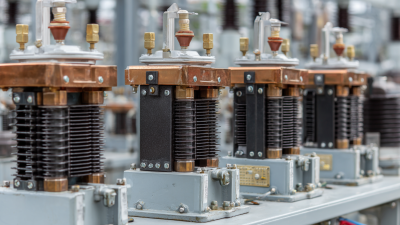
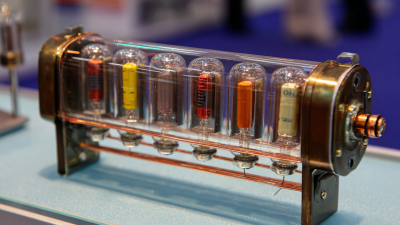
Fuses play a critical role in protecting power transformers. They help prevent damage caused by overcurrents. Understanding fuse types is essential for efficient operation. Various fuse types include expulsion fuses, current-limiting fuses, and semiconductor fuses. Each type has unique characteristics and applications.
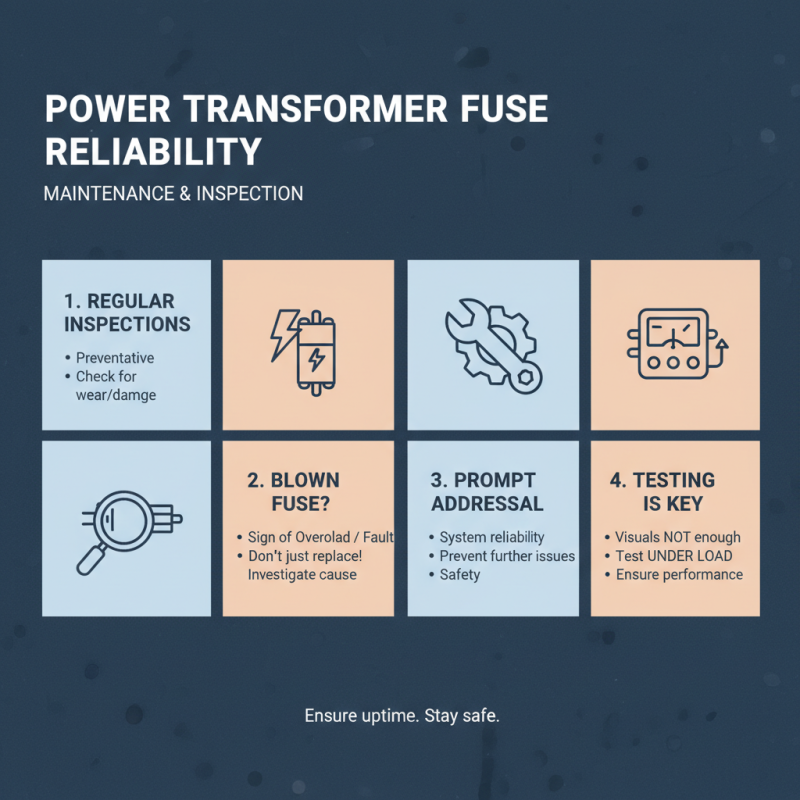
Tips: Choose fuse types based on the specific protection needs of your transformer. Consider the voltage levels and fault conditions that may arise. Regularly check the integrity of fuses. A blown fuse may indicate an underlying issue.
When selecting fuse types, think about the installation environment. Some fuses are more suitable for outdoor use, while others work best indoors. Over time, fuses can degrade, leading to potential failures. Watch for signs of wear and replace them as needed.
Ignoring these aspects could lead to more significant problems. A malfunctioning fuse may not only affect a transformer but the entire system. Regular maintenance is crucial for long-term reliability and safety. Be proactive in monitoring and managing your fuse types to ensure optimal performance.
Common Fuse Types Used in Power Transformers
Power transformers play a crucial role in electrical systems. They convert voltages for efficient energy distribution. To protect these transformers, various fuses are employed. Each fuse type has its specific application and benefits.
One common type is the current-limiting fuse. It reacts quickly to overloads. This helps prevent damage to the transformer. Another type is the dual-element fuse. It provides protection against sustained overloads and short circuits. Furthermore, there are oil-immersed fuses, widely used in outdoor transformers. They are reliable and can handle high currents.
Some fuses have limitations. For example, some may not operate effectively in all environmental conditions. They can be sensitive to temperature changes. This could lead to malfunction or unnecessary outages. Selecting the appropriate fuse type remains a challenge. Balancing cost and performance is not always straightforward. Understanding each type helps determine the best fit for your transformer needs.
Factors to Consider When Choosing Power Transformer Fuses
When selecting power transformer fuses, several factors demand attention. The voltage rating is critical. It determines if the fuse can handle peak currents without failure. According to industry standards, fuses must align with the voltage levels of the transformer. If mismatched, it can lead to overheating or equipment damage.
Another key aspect is the current rating. Fuses should be calibrated to the transformer's full load current. An undersized fuse may blow frequently, causing unnecessary downtime. On the other hand, an oversized fuse may not provide adequate protection during overcurrent situations. Industry reports indicate that improper sizing causes nearly 30% of transformer failures.
Response time is also vital. Fuses react differently under various conditions. Some are designed for fast responses, while others offer a delayed reaction. This choice depends on the application. A fast-acting fuse may prevent lightning strikes from damaging equipment. Yet, it needs to coexist with the transformer’s inherent delay in operating characteristics. Proper understanding of these nuances is imperative for maintaining system integrity.
Top 10 Power Transformer Fuse Types