Why Choose a Polymeric Surge Arrester?
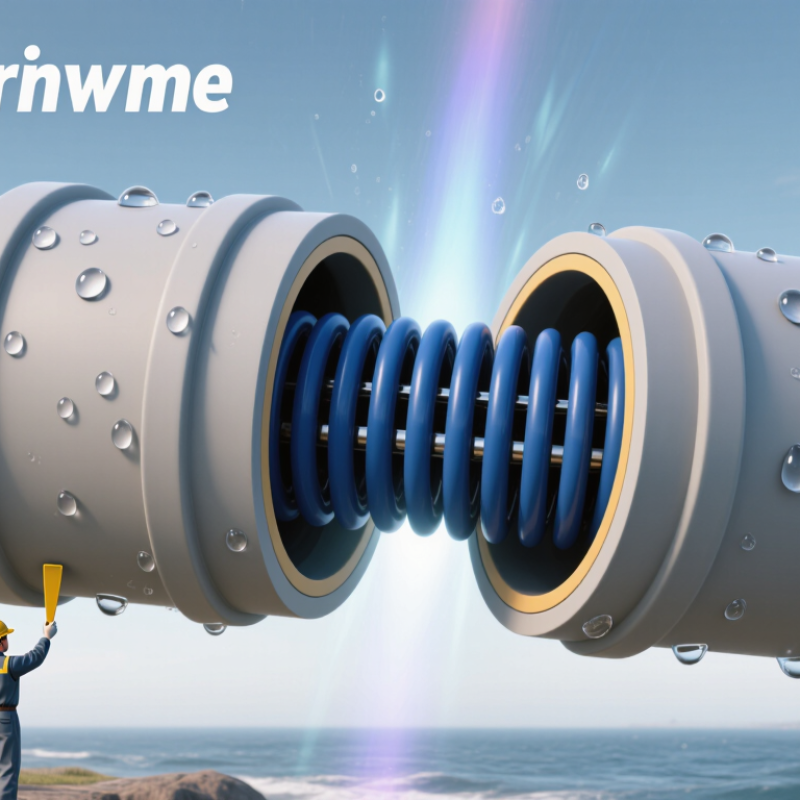
When lightning strikes or switching events disturb a power network, voltage can rise within microseconds. A Polymeric Surge Arrester helps limit this stress before insulation fails. Its silicone rubber housing offers a lighter alternative to traditional porcelain designs. This reduced weight can simplify transport, installation, and replacement on poles or substations. In practical inspections, technicians often value the housing’s hydrophobic surface. Water tends to form droplets instead of creating one continuous conductive film. That detail matters in coastal, industrial, and heavily polluted environments.
The protection core usually contains metal-oxide varistors, which respond quickly to excessive voltage. The polymeric housing must also manage moisture, ultraviolet exposure, mechanical loads, and thermal changes. Good design cannot be judged by appearance alone. Engineers should review energy ratings, leakage-current behavior, pressure-relief performance, and system voltage. Compliance with applicable standards, such as IEC 60099-4, provides a useful reference. However, test certificates do not replace careful application engineering. Line configuration, grounding quality, fault current, and local weather can change the result.
A Polymeric Surge Arrester can offer dependable protection when correctly selected and installed. It may also reduce handling risks because it is lighter and less prone to shattering than porcelain. Still, no arrester is perfect. Aging, contamination, poor connections, and incorrect voltage selection can weaken protection. That assumption deserves testing. Reliable decisions should combine manufacturer data, field experience, independent verification, and maintenance records. The best choice is not always the newest product. It is the arrester that matches the network’s actual electrical, mechanical, and environmental demands.
What Is a Polymeric Surge Arrester?
A polymeric surge arrester is a protective device that limits sudden overvoltage in electrical systems. It commonly contains metal-oxide varistor blocks inside a weather-resistant polymer housing. During normal operation, the arrester carries only a small leakage current. When lightning or switching creates a voltage spike, the varistor becomes conductive and directs excess energy toward ground.
The polymer housing is lightweight, hydrophobic, and resistant to moisture on its surface. This design can reduce contamination-related flashover risks in outdoor installations. In practical inspections, technicians often check housing cracks, damaged sheds, loose connections, and the condition of the grounding lead. A reliable arrester still depends on correct system voltage, insulation coordination, and a short, low-impedance ground path. The word “surge” can mislead. Not every voltage disturbance has the same cause or energy level, so selection requires measured system data and engineering judgment. My explanation may sound straightforward, but installation errors remain surprisingly common.
Tips: Confirm the arrester’s continuous operating voltage before installation. Keep grounding conductors short and direct. Inspect polymer surfaces after severe storms. Do not rely on appearance alone; leakage-current testing may reveal internal aging.
How Does a Polymeric Surge Arrester Work?
A polymeric surge arrester protects electrical equipment by diverting sudden overvoltage to ground. Its main active element is a metal-oxide varistor, usually made from zinc oxide. Under normal voltage, the varistor allows only a small leakage current. During a lightning impulse or switching surge, its resistance drops sharply. The excess energy then travels through the arrester and safely reaches the grounding system.
The polymeric housing adds another layer of protection. It resists moisture, contamination, and mechanical impact while maintaining insulation around the active blocks. Its sheds increase the surface distance, helping prevent flashover in wet or polluted environments. In field inspections, technicians often check leakage current, housing damage, terminal tightness, and grounding continuity. These details matter.
A reliable arrester must respond quickly. It must also absorb repeated energy without overheating. Internal pressure relief can reduce damage if severe thermal failure occurs. However, the device cannot compensate for poor grounding or incorrect system voltage. That limitation is sometimes overlooked. Engineers should select the continuous operating voltage carefully and verify coordination with nearby insulation. Testing should follow applicable standards, such as IEC 60099-4, alongside local requirements. A polymeric design is lighter and less fragile than many porcelain alternatives, but its condition still deserves regular inspection. Small cracks, tracking marks, or unusual discoloration should not be dismissed.
What Are the Main Benefits of Polymeric Construction?
Polymeric surge arresters offer practical advantages in demanding power networks. Their silicone-rubber housing is light, flexible, and resistant to mechanical shock. Unlike porcelain, it does not create heavy fragments after severe internal failure. The material also maintains hydrophobicity, helping water form droplets instead of a continuous leakage path. CIGRE Technical Brochure 839 (2021) identifies housing condition, sealing, and moisture control as major factors in arrester reliability.
The benefits become clearer in polluted or coastal areas. Salt, dust, and industrial deposits can reduce insulation performance. A polymeric surface can recover part of its water-repellent behavior after contamination. That is useful, but not automatic. Poor bonding, ultraviolet exposure, or damaged sheds can still cause tracking and thermal stress. Field inspections should check cracks, discoloration, loose connections, and unusual leakage current. IEC 60099-4:2014 evaluates arresters using standardized impulses, including the 1.2/50 microsecond lightning impulse and 8/20 microsecond current impulse. These tests help compare performance under repeatable conditions. However, laboratory data cannot fully reproduce years of heat, moisture, vibration, and pollution. CIGRE guidance therefore stresses application-specific selection and monitoring. A lighter unit may simplify installation, yet its long-term value depends on correct energy rating, creepage distance, and installation quality. That part is easy to underestimate.
How Should a Polymeric Surge Arrester Be Selected?
Why Choose a Polymeric Surge Arrester?
How Should a Polymeric Surge Arrester Be Selected?
Selecting a polymeric surge arrester starts with the power system, not the enclosure. Confirm the highest continuous operating voltage and temporary overvoltage conditions. The arrester’s MCOV must remain above normal line-to-ground voltage. A poor match can cause premature thermal stress. That detail is easy to overlook.
Check the required discharge capability and protection level against transformer insulation ratings. Use system fault current, lightning exposure, switching activity, and cable length as practical inputs. Longer overhead lines often need closer coordination between arresters and protected equipment. IEC 60099-4 provides a useful technical reference for performance and testing.
Site conditions matter just as much. Examine pollution, humidity, salt deposits, ultraviolet exposure, altitude, and available mounting space. Polymer housings are lightweight and resist shattering, but their shed design must suit the environment. Measure creepage distance carefully. Small installation errors can reduce protection.
Field inspections also reveal mechanical concerns. Verify terminal strength, sealing, pressure-relief behavior, and connection hardware. The arrester should fit the support structure without stressing its leads. Do not select by voltage alone. A selection table may look precise, yet unusual grounding or frequent switching can change the result. Recheck the assumptions with measured data and protection-coordination calculations.
Why Choose a Polymeric Surge Arrester?
How Should a Polymeric Surge Arrester Be Selected?
Polymeric surge arresters commonly use a silicone-rubber housing that is lightweight, hydrophobic, and resistant to shattering. The chart compares normalized reference impulse shapes used in insulation coordination: a fast 1.2/50 μs lightning impulse and a slower 30/60 μs switching impulse. The curves are normalized to 1.0 per unit and are not device-specific voltage ratings.
1. Select MCOV
Choose a maximum continuous operating voltage at or above the highest continuous phase-to-ground voltage, including expected voltage variation.
2. Check coordination
The arrester residual voltage should remain below the equipment insulation withstand level for the relevant impulse current.
3. Match discharge duty
A 10 kA nominal discharge-current class is common in distribution applications, but the final rating should follow the network study and applicable standard.
4. Verify installation conditions
Confirm creepage distance, pollution severity, altitude, mechanical loading, grounding, and available short-circuit capability.