2025 Top Polymeric Surge Arresters: Key Benefits and Innovations
In the ever-evolving landscape of electrical infrastructure, the importance of surge protection cannot be overstated. The rise of renewable energy sources and the increasing complexity of power systems have necessitated the development of advanced protective devices. Among these, the Polymeric Surge Arrester stands out as a highly effective solution for managing voltage surges in electrical networks. Its unique composition not only enhances durability but also significantly improves performance compared to traditional counterparts.
This article delves into the latest innovations and key benefits of the 2025 Top Polymeric Surge Arresters. By examining their superior insulation properties, resistance to environmental degrading factors, and the ability to handle extreme voltage surges, we showcase why these devices are becoming essential components in modern electrical systems. Furthermore, we will explore emerging technologies and trends that are shaping the future of polymeric surge arresters, paving the way for safer and more resilient electrical grids. Through this comprehensive analysis, we aim to highlight the transformative role these components play in safeguarding power infrastructure while fostering reliability and operational efficiency.
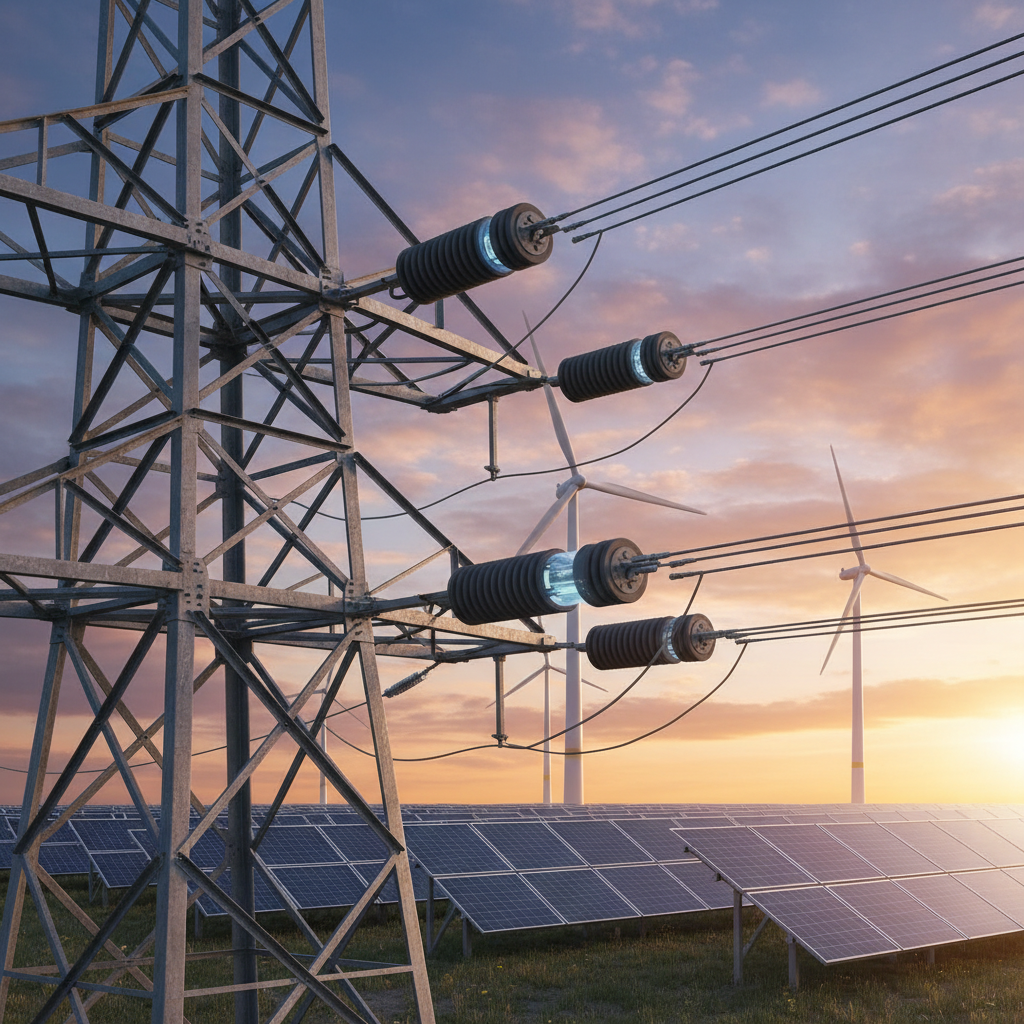
Key Features of 2025 Top Polymeric Surge Arresters
The 2025 top polymeric surge arresters are designed with cutting-edge technology, ensuring enhanced performance and reliability in protecting electrical systems from voltage spikes. One of their key features is the improved thermal stability, which allows these devices to withstand a wider range of environmental conditions without compromising their protective capabilities. This advancement minimizes downtime and maintenance, making them a cost-effective solution for utility companies and industrial applications alike.
Another significant feature is the incorporation of smart monitoring systems. These systems provide real-time data on the operating conditions of the surge arresters, allowing for proactive maintenance and quick identification of potential issues. Additionally, the lightweight and compact design of polymeric surge arresters facilitates easier installation and integration into existing systems.
This not only streamlines the deployment process but also enhances overall system reliability, as the arresters can be strategically placed in locations where traditional metal oxide varistors may not be suitable. Overall, the innovations in 2025 polymeric surge arresters signify a leap forward in surge protection technology.
Innovative Materials and Technologies Enhancing Surge Protection
The development of polymeric surge arresters has seen significant advancements in materials and technologies that enhance surge protection capabilities. Innovative materials, such as advanced composites and high-performance polymers, offer superior durability and resistance to environmental stressors. These materials not only improve the overall lifespan of surge arresters but also ensure reliable operation in diverse conditions, providing essential protection for electrical systems.
Technological innovations, including smart monitoring systems integrated within surge arresters, are revolutionizing the way these devices function. By utilizing IoT connectivity, these systems can provide real-time data on surge events and device health, allowing for proactive maintenance and prompt response to potential failures. This integration of technology ensures that surge protection remains effective and responsive to changing conditions, ultimately improving the resilience of electrical infrastructures against surges and spikes.
Comparative Analysis: Polymeric vs. Traditional Surge Arresters
The comparative analysis of polymeric surge arresters versus traditional models highlights several significant advancements that make the former increasingly preferable in modern electrical systems. According to a report by MarketsandMarkets, the global surge arrester market is projected to reach $3.03 billion by 2026, driven largely by the adoption of polymeric materials that offer properties such as lightweight construction, better resistance to environmental factors, and improved performance longevity. This shift is particularly pronounced in high-voltage applications, where polymeric surge arresters have demonstrated a 20% higher reliability over traditional ceramic alternatives.
Additionally, polymeric surge arresters manifest superior insulating properties and can operate efficiently over a broader temperature range. A study conducted by the Electric Power Research Institute (EPRI) indicates that polymeric variants can withstand harsh conditions, showing resilience to UV exposure and thermal cycling. This adaptability not only contributes to a lower overall failure rate but also results in reduced maintenance costs. In contrast, traditional porcelain surge arresters often succumb to mechanical failures and require more frequent replacements, making their lifecycle cost significantly higher in the long run. These benefits reinforce the case for polymeric surge arresters as a leading choice for future electrical infrastructure needs.
2025 Top Polymeric Surge Arresters: Key Benefits and Innovations
| Features |
Polymeric Surge Arresters |
Traditional Surge Arresters |
| Weight |
Lighter, approximately 30% less |
Heavier, standard weight |
| Durability |
High resistance to UV, moisture, and mechanical stress |
Moderate resistance; prone to corrosion |
| Installation |
Easier and faster, less labor-intensive |
Complex installation process; requires more time and effort |
| Environmental Impact |
Recyclable materials |
Limited recyclable components |
| Cost |
Higher upfront cost, lower maintenance |
Lower upfront cost, higher long-term maintenance |
| Performance |
Superior performance across a wide range of conditions |
Adequate performance under standard conditions |
Benefits of Polymeric Surge Arresters in Modern Electrical Systems
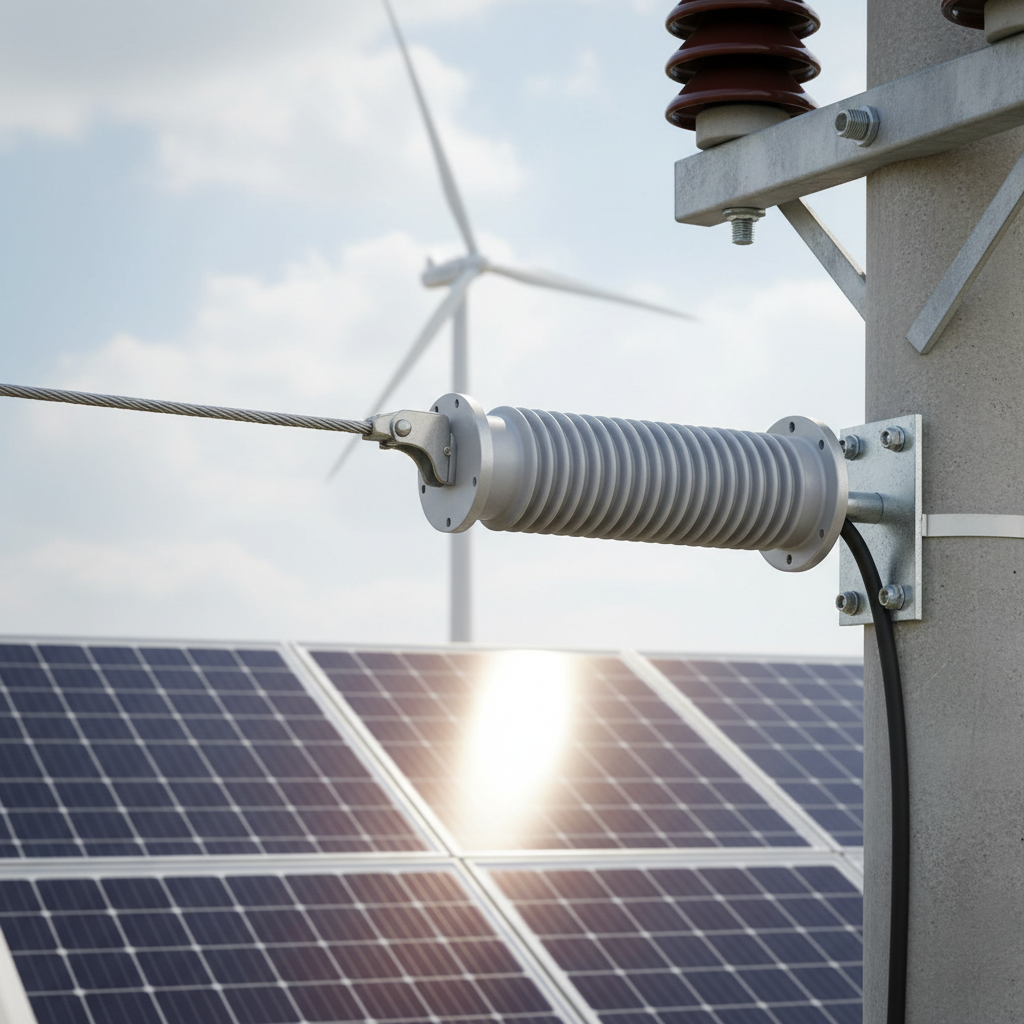
Polymeric surge arresters have emerged as a vital component in modern electrical systems, offering numerous advantages over traditional ceramic counterparts. One of the most significant benefits is their lightweight and compact design, which allows for easier installation and reduced structural loads on supporting structures. This is particularly beneficial in applications where space and weight constraints are critical, such as in renewable energy installations and urban power distribution systems.
Moreover, polymeric materials provide enhanced resistance to environmental stressors, including moisture and UV radiation, which contribute to prolonged lifespan and reliability. These arresters exhibit excellent electrical performance across a wide temperature range, ensuring consistent protection against voltage surges in diverse climatic conditions. Additionally, with the advent of advanced materials and manufacturing techniques, modern polymeric surge arresters have incorporated innovations like self-healing capabilities, which enhance their durability and maintenance requirements. As electrical systems continue to evolve, the adoption of polymeric surge arresters represents a crucial step toward achieving greater efficiency and safety in power distribution networks.
Future Trends in the Development of Polymeric Surge Arresters
The future of polymeric surge arresters is being shaped by several significant trends that enhance their performance and application versatility. According to a report by MarketsandMarkets, the surge arrester market is predicted to grow from USD 2.5 billion in 2020 to USD 3.6 billion by 2025, driven by the increasing demand for renewable energy sources and the need for reliable power infrastructure. Notably, advancements in polymer materials are enhancing the durability and efficiency of these devices, making them more effective in mitigating voltage spikes and ensuring system reliability.
Innovations in design, such as the integration of smart technologies, are also emerging trends in the development of polymeric surge arresters. By incorporating IoT capabilities, manufacturers can offer real-time monitoring and diagnostics, providing critical data that enables proactive maintenance and minimizes downtime. A recent study from Frost & Sullivan highlights that smart surge arresters can reduce maintenance costs by up to 30% while improving operational efficiency. As the industry continues to evolve, the push for increased sustainability and enhanced protective features will likely drive further innovations in polymeric surge arresters, solidifying their essential role in modern electrical systems.