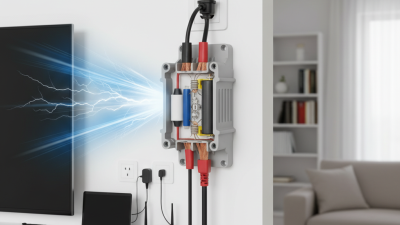
Best Lightning Surge Arrestor for Effective Protection Solutions?
In today's world, lightning strikes pose significant risks to electrical systems. Experts emphasize the necessity of a reliable Lightning Surge Arrestor for safeguarding sensitive equipment. Dr. Emily Hargrove, a leading authority in electrical engineering, states, "A high-quality Lightning Surge Arrestor is essential for minimizing damage and protecting infrastructure."
As storms become more frequent, understanding the performance of surge arrestors is crucial. The effectiveness of these devices can often be underestimated. Many installations fall short due to improper selections or insufficient capacity. A well-chosen Lightning Surge Arrestor can dramatically reduce the risk, but not all products meet the mark.
Investing in a top-tier surge arrestor ensures your systems remain intact. However, even experts acknowledge that not all solutions are foolproof. They require regular assessments to maintain their efficacy. Power backups and additional protective measures also play a role. As you consider protection options, reflect on how well your current system stands up.
Understanding the Importance of Lightning Surge Arrestors
Lightning surge arrestors play a critical role in protecting electrical systems from devastating lightning strikes. Their primary function is to divert excess voltage, preventing damage to sensitive equipment. During thunderstorms, the risk increases significantly. Without proper protection, expensive devices can face catastrophic failure.
Understanding how these devices work is essential for effective protection. They detect abnormal voltage surges and channel the excess energy to the ground. This process safeguards both buildings and electronic devices. Many users still underestimate their importance. They often overlook the specific requirements based on geographic location and local weather patterns.
Selecting the right surge arrestor requires attention to detail. Each installation has unique needs, such as the power supply and type of electronics being protected. Individuals may struggle with installation, leading to less effective protection. Reflection on the chosen products and their installation is crucial for optimal performance.
Types of Lightning Surge Arrestors Available on the Market
When it comes to lightning surge arrestors, understanding the types available is crucial for effective protection. Surge arrestors come in several forms, each designed for specific applications. Lightning rods, for example, are the most basic type. They direct lightning safely into the ground. However, they are not effective alone for more complicated systems.
Another option is the whole-house surge protector. This device protects all electrical systems within a home. It sits at the point where electricity enters and is essential for safeguarding appliances. While effective, these systems can sometimes be overwhelmed by large surges, which is why additional layers of protection are often recommended.
For industrial applications, you can find more advanced options. These surge arrestors are designed to handle high voltages and large currents. They often come with monitoring features, allowing users to assess their status. However, they may require more maintenance, introducing potential points of failure. Users should consider this trade-off. The available types offer varying levels of protection. Each has its strengths and weaknesses, which must be carefully evaluated to ensure reliable defense against lightning events.
Key Features to Consider When Choosing a Surge Arrestor
When selecting a lightning surge arrestor, it's vital to assess several key features. Look for the voltage rating. It should match your system. A mismatch could lead to failure. Additionally, check the response time. Faster response times offer better protection against sudden voltage spikes. This can be crucial for sensitive electronics.
Installation should also be straightforward. Complicated setups can lead to improper usage over time. Make sure the arrestor fits well into the existing infrastructure. Ensure that it can handle the load you plan to protect. Otherwise, it may not function correctly.
**Tips:** Always consult with a professional before purchasing. They can provide insights based on specific needs. Regularly inspect and maintain the surge arrestor. Neglect can diminish its effectiveness. Taking these steps ensures you achieve reliable protection from lightning strikes and surges.
Best Lightning Surge Arrestor for Effective Protection Solutions
| Feature |
Description |
Importance |
Recommended Specifications |
| Clamping Voltage |
The voltage level at which the surge arrestor begins to conduct and protect connected devices. |
Low clamping voltage minimizes the risk of damage during a surge. |
Below 330V for effective protection. |
| Energy Handling Capacity |
The maximum amount of energy the device can absorb during a surge. |
Higher capacity means better protection against large surges. |
At least 20kA or higher. |
| Response Time |
The time it takes for the surge arrestor to respond to a voltage spike. |
Faster response times prevent damage to sensitive electronics. |
Less than 5 nanoseconds. |
| Type of Technology |
The method used to dissipate surge energy (e.g., MOV, TVSS). |
Different technologies offer different levels of protection and longevity. |
MOV or hybrid technology recommended. |
| Mounting Options |
The methods available for installing the surge arrestor (e.g., wall-mounted, inline). |
Flexibility in installation ensures compatibility with existing setups. |
Both wall-mounted and inline types for versatility. |
Installation Guidelines for Optimal Protection from Lightning Strikes
When it comes to protecting your property from lightning strikes, proper installation of surge arrestors is key. Many people underestimate the importance of placement. Surge arrestors should be installed in strategic areas, like near service panels and outside entry points. It’s essential to connect them to a grounding system. This ensures that any surge is redirected safely into the ground.
The choice of materials matters too. Look for durable components that can withstand harsh weather. Regular maintenance checks are important. Neglect can lead to failures during crucial times. Every few months, inspect the surge arrestor for any signs of wear. Ground connections should also be examined to ensure effectiveness.
Consider your specific environment. Lightning-prone areas require more robust solutions. Install multiple units if necessary. Awareness of local weather patterns adds to the effectiveness of your protection strategy. It’s easy to overlook these details, but doing so could result in significant damage to your property. Being proactive about installation will enhance your protection against unexpected strikes.
Maintaining and Testing Surge Arrestors for Long-Term Reliability
Surge arrestors play a crucial role in protecting electrical systems from voltage spikes. However, their effectiveness relies heavily on regular maintenance and testing.
Ensuring that surge arrestors function as intended is not just recommended; it is essential for long-term reliability. Regular inspections can reveal wear and tear that may not be immediately obvious.
Testing surge arrestors helps identify performance issues. Sometimes, units may appear operational, but their protective capabilities are diminished. A simple test can determine whether these devices can still handle unexpected surges.
It's important to follow the manufacturer's guidelines during both maintenance and testing. This knowledge establishes a baseline for effective operation.
Developing a consistent maintenance schedule can be challenging. It often requires integrating testing into routine electrical inspections. In some cases, facility managers might overlook the importance of this step, leading to vulnerabilities.
It is crucial to recognize that neglecting surge arrestors could result in significant damage. Regular monitoring and proactive care address these risks effectively.