Leave Your Message

Top 5 Tips for Choosing the Right Drop Out Fuse Cut Out for Your Needs?

When selecting a Drop Out Fuse Cut Out, numerous factors come into play. Understanding your specific needs is crucial in making the right choice. A well-chosen component can enhance safety and reliability in electrical systems. However, the process can be overwhelming, especially with the many options available.

It's essential to consider the environment where the Drop Out Fuse Cut Out will be installed. Will it face harsh weather? What is the maximum voltage? These questions are vital. Also, think about the load requirements. A mismatch can lead to failures. Be aware of the technical specifications, yet don’t get lost in the jargon.

There's also the aspect of manufacturer reputation. Researching and comparing brands might feel tedious, but it can save you headaches later. Sometimes, cheap options look appealing but may compromise quality. Reflecting on past experiences with electrical components can guide your decision. Choose wisely. Your choice impacts efficiency and safety.

Top 5 Tips for Choosing the Right Drop Out Fuse Cut Out for Your Needs?

Understanding the Functionality of Drop Out Fuse Cut Outs

Understanding Drop Out Fuse Cut Outs is essential for reliable electrical systems. These devices protect equipment from overcurrent situations. They function by disconnecting the circuit when a fault occurs. A comprehensive study reported that around 80% of electrical outages stem from overloaded circuits. Hence, choosing the right fuse cut out can prevent substantial damage.

One crucial tip is to assess your electrical load requirements accurately. It’s vital to match the cut out ratings with your system’s capacity. Additionally, consider the environmental conditions where the device will be installed. This can impact its performance and longevity. Moisture and extreme temperatures can lead to failure.

Reviewing technical specifications is key. Many professionals recommend looking for cut outs with clear visibility and reliable test features. They allow for easy verification during maintenance. Aiming for simplicity in operation can help reduce human error, which is often overlooked. Finally, ensure the installation process adheres to established electrical standards. Ignoring these guidelines can have expensive consequences.

Assessing the Voltage and Current Ratings for Your Application

When selecting a drop out fuse cut out, understanding voltage and current ratings is crucial. Proper ratings ensure safety and functionality in electrical applications. According to industry reports, around 70% of equipment failures are linked to incorrect ratings. This statistic underscores the importance of precise assessment.

Voltage ratings determine the maximum voltage a fuse can handle. For typical applications, voltage ratings often range from 2.4kV to 38kV. Using a fuse rated too low can lead to catastrophic failures. On the other hand, selecting an excessively high rating may result in insufficient protection during overload conditions. This mismatch can create hazardous scenarios.

Current ratings also require careful consideration. The cut out should match the operational current of the system. It's essential to account for factors like ambient temperature and potential load changes. Some reports suggest that current ratings need to be adjusted upwards based on environmental conditions. Therefore, maintaining a flexible approach to these ratings is necessary. This can be a complex process, requiring ongoing assessment and potential recalibration.

Evaluating Environmental Conditions and Installation Requirements

When selecting a drop out fuse cut out, environmental conditions play a crucial role. You must consider temperature fluctuations in your area. Extreme heat or cold can affect the fuse's performance. Humidity is another factor. High humidity can lead to corrosion, reducing effectiveness.

Installation requirements are equally important. The location of installation impacts accessibility for maintenance. Ensure the cut out is positioned for easy reach. This could prevent future headaches. Clearance around the fuse is necessary. A crowded space may limit airflow and lead to overheating.

In some cases, the installation might be complex. Adverse weather conditions can also pose risks. Snow or heavy rain might hinder proper function. Assessing typical weather patterns can influence your choice. A thorough evaluation helps in making an informed decision. Consider all possible scenarios before finalizing your pick.

Top 5 Tips for Choosing the Right Drop Out Fuse Cut Out for Your Needs

Comparing Types of Drop Out Fuse Cut Outs Available on the Market

Top 5 Tips for Choosing the Right Drop Out Fuse Cut Out for Your Needs?

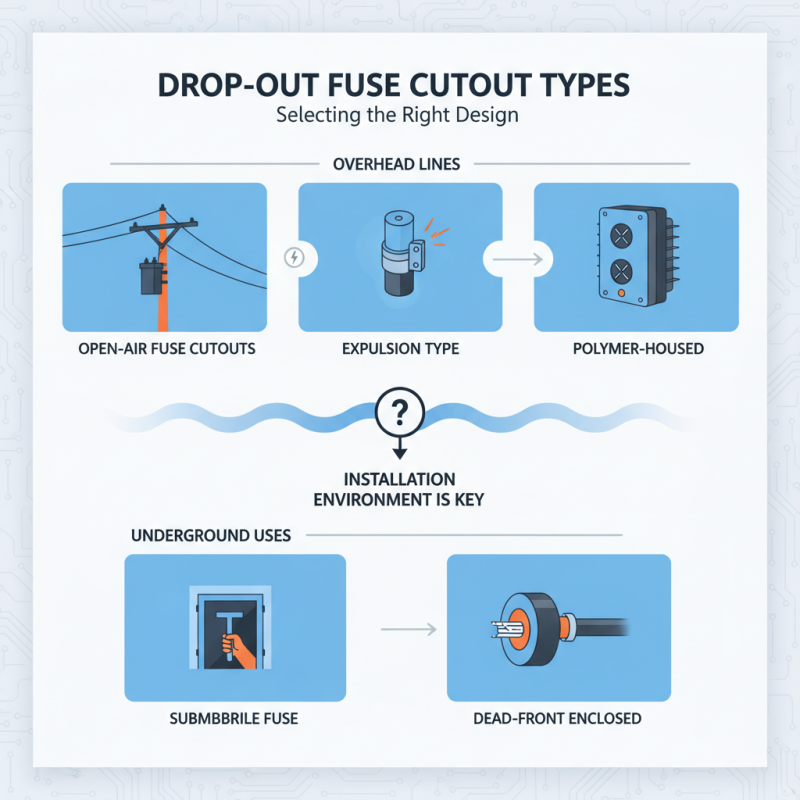
When choosing a drop out fuse cut out, it’s crucial to understand the various types available. There are several designs, each serving different applications. Some are intended for overhead lines, while others focus on underground uses. Knowing the environment of installation is key.

For instance, a traditional fuse cut out often suits outdoor applications better. They are robust and designed for exposure to the elements. In contrast, some models are more compact and suitable for indoor environments. These units often provide additional protection, like weatherproof enclosures. Users must weigh these factors based on their specific requirements.

Another aspect is voltage ratings. High voltage cut outs are essential for utility applications, while lower voltage options fit residential needs. It can be confusing to choose the right rating. Many people overlook this, leading to improper installations. Regular reviews and adjustments can ensure that the selected cut out meets evolving safety standards. Without these considerations, users may face unnecessary risks.

Budgeting and Sourcing from Reputable Manufacturers and Suppliers

When choosing a drop out fuse cut out, budgeting is crucial. Determine your budget before starting the search. Prices can vary greatly. Knowing your spending limit helps narrow options effectively. Some products may seem cheaper but could lead to higher long-term costs due to inferior quality.

Sourcing from reputable manufacturers is essential. Look for suppliers with a strong track record. Read customer reviews and ask for references. These actions can reveal the reliability of the products. Avoid being swayed by flashy marketing; focus on the product's performance and safety features.

Take time to compare specifications. Check the ratings, compatibility, and warranty. Sometimes, the best choice is not the most expensive. Balancing quality with cost is important. Reflect on your specific needs to ensure the right fit. Remember, a well-made fuse cut out is an investment that pays off over time.