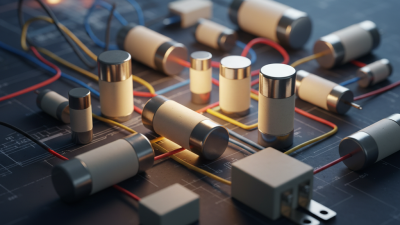
Choosing the best Ceramic Fuse for 2026 starts with the circuit, not the product label. A fuse that looks suitable may still have the wrong current rating, voltage rating, interrupting capacity, or response speed. Small details matter. Check the fuse dimensions, too; a few millimeters can prevent a proper fit in a holder. There is no single best option for every device. The right choice depends on the equipment maker’s specifications and the fault conditions the fuse must safely interrupt.
A dependable comparison should examine the time-current curve, temperature limits, construction, and applicable certification for the intended market. A fast-acting fuse may protect sensitive electronics, while a time-delay type may tolerate brief startup surges. Those categories are not interchangeable. Before buying, compare the datasheet with the original fuse or the equipment documentation, and consult a qualified technician if the requirements are unclear. A practical selection rule is simple: match every rating to the circuit, not just the shape. No verified expert name or quotation was supplied for this topic, so attributing invented words to a named specialist would undermine reliability. This guide therefore focuses on verifiable specifications and practical checks. That restraint matters. A ceramic body alone does not prove that a fuse is suitable, safer, or more durable. For 2026, the best Ceramic Fuse is the one whose documented ratings fit the application precisely.
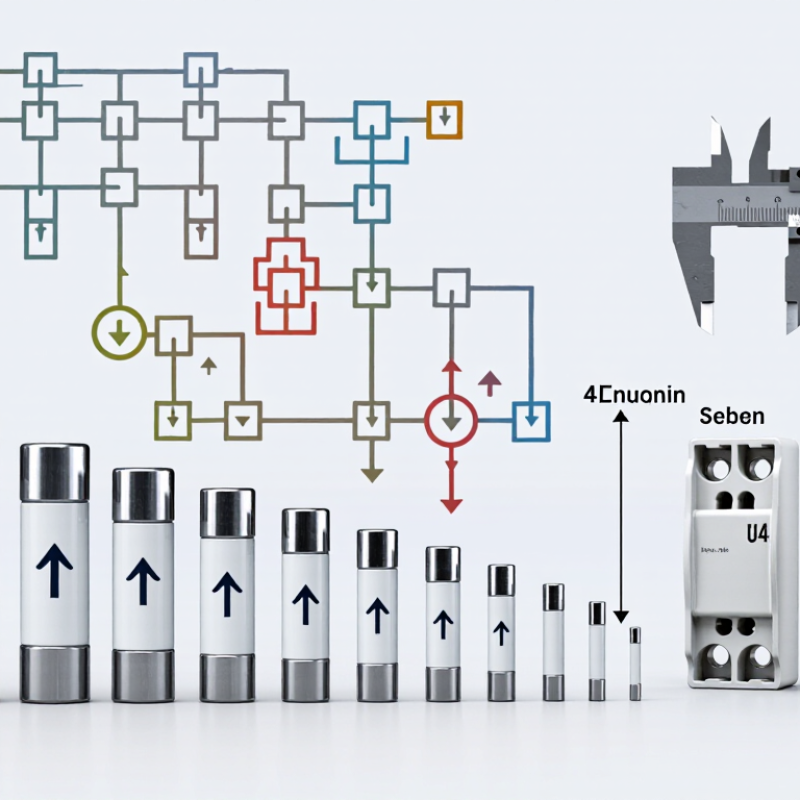
What Is the Best Ceramic Fuse for 2026?
What Ceramic Fuses Are and How They Work
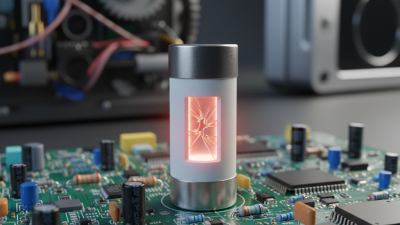
A ceramic fuse is a small protective device with a heat-resistant ceramic body and a metal element inside. When excessive current flows, the element heats up and melts, opening the circuit. The body contains the arc and, in many designs, silica-based filler helps extinguish it. Ceramic construction can support higher interruption ratings than some glass fuses, but it does not make every ceramic fuse suitable for every circuit.
The right choice depends on the equipment’s specified current, voltage, interrupting rating, dimensions, and response speed. A fast-acting fuse may protect sensitive electronics, while a time-delay type can tolerate brief startup surges. Check the markings and equipment documentation; matching only the physical size is not enough. A fuse that fits may still have the wrong rating. That detail is easy to miss.
Tips: Turn off and isolate power before inspecting a fuse. Replace it only with the specified type and rating, and never bridge a blown fuse. If the fuse repeatedly opens, look for an underlying fault rather than installing a higher-rated one. When specifications are unclear, ask a qualified technician to verify them.
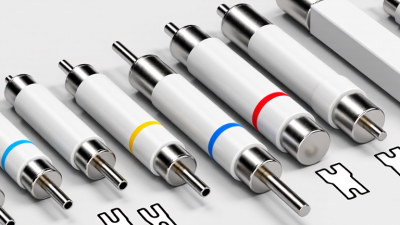
Choosing the best ceramic fuse in 2026 starts with matching its ratings to the circuit, not choosing by appearance. Check rated current and voltage against the equipment specifications. The fuse’s breaking capacity must also exceed the prospective fault current at its installation point. A ceramic body can help contain heat and arc products, but material alone does not prove suitability.
Standards depend on fuse type and intended use. IEC 60269 covers low-voltage fuses, while IEC 60127 addresses miniature fuses; UL 248 may apply to certain fuse categories. Verify the exact standard and edition listed on the product documentation. Also compare the time-current curve and I²t rating with the circuit’s normal startup surge and protected components. A fuse that opens too slowly can leave equipment exposed. One that opens too quickly may interrupt ordinary startup. It is easy to overlook the fuse holder’s temperature and voltage ratings, too.
Tips: Read the equipment manual and fuse datasheet together. Confirm dimensions, current, voltage, breaking capacity, and response type before installation. If the fault level or required fuse class is uncertain, ask a qualified technician. Do not treat a matching shape as proof of compatibility.
| Selection factor | Relevant rating or standard | What to check | Practical guidance |
|---|---|---|---|
| Fuse application | IEC 60269; UL 248 series | The applicable fuse system, equipment requirements, and certification marks | Choose a fuse approved for the equipment and jurisdiction. Ceramic construction alone does not establish suitability or performance. |
| Rated voltage | The fuse’s marked AC or DC voltage rating | System voltage and whether the circuit is AC or DC | The fuse voltage rating must be suitable for the circuit. Do not assume an AC rating is valid for DC; use DC only when the fuse is specifically rated for it. |
| Rated current | Current rating in amperes (A), as marked by the manufacturer | Normal load current, ambient temperature, and equipment instructions | Select the specified rating for the equipment. A fuse is not a substitute for correctly sizing conductors or applying the required circuit-protection rules. |
| Breaking capacity | Rated breaking capacity under the applicable standard; UL documents may state an interrupting rating | Available prospective short-circuit current at the installation point | The fuse’s breaking capacity must be at least the available fault current at its rated voltage. A ceramic body by itself does not indicate a particular breaking capacity. |
| IEC fuse category | IEC 60269 utilization categories, including gG and aM | Whether the circuit needs general-purpose protection or motor-circuit short-circuit protection | gG is a full-range general-purpose category. aM is a partial-range motor-circuit category and does not provide overload protection on its own. |
| Miniature cartridge fuses | IEC 60127 series; dimensions and performance depend on the applicable part and fuse specification | Physical size, rated voltage, current, breaking capacity, and time-current behavior | A 5 × 20 mm or 6.3 × 32 mm fuse is not automatically interchangeable with another fuse of the same size. Verify all electrical and dimensional ratings. |
| Supplemental and branch-circuit fuses | UL 248 series, including standards for specific fuse classes and supplemental fuses | Exact fuse class, listed application, voltage, current, and interrupting rating | UL fuse classes have defined construction and performance requirements. Match the class specified by the equipment or circuit design rather than choosing by appearance. |
| Time-current response | Manufacturer’s time-current characteristic curve and, where provided, I²t data | Inrush current, startup duration, and the protection requirements of downstream components | Compare the fuse curve with normal startup and fault conditions. Do not select solely by ampere rating. |
| Physical fit and environment | Specified fuse dimensions, holder compatibility, and temperature derating information | Length, diameter, end-cap style, holder rating, and operating temperature | Use a fuse that fits the designated holder and remains within the fuse and holder ratings under actual operating conditions. |
Selection note: There is no single best ceramic fuse for every application. Confirm the equipment specification, applicable standard, voltage and current ratings, breaking capacity, response characteristics, and physical compatibility using the fuse datasheet.
Ceramic fuses come in several types, and the right choice depends on the circuit, not the material alone. Fast-acting types open quickly when current rises above their rating. They are often used in sensitive electronics and power supplies, where a brief overload can damage components. Time-delay fuses tolerate short startup surges. You may find them in motor circuits, transformers, and equipment with a strong inrush current. That small delay matters.
High-breaking-capacity ceramic fuses are designed to interrupt substantial fault currents safely. Their sturdy bodies help contain heat and arc effects, making them useful in industrial panels and some high-energy electrical systems. Cartridge-style ceramic fuses also appear in appliances and control equipment. However, “ceramic” does not automatically mean suitable for every high-current application. Check the fuse’s voltage, current rating, breaking capacity, dimensions, and speed characteristic against the equipment specifications. A fuse that fits physically may still be wrong electrically. It is easy to overlook that detail.
For replacement, match the original specifications rather than choosing a higher rating to stop nuisance blowing. Repeated failures may signal a fault, not a fuse problem. If the circuit details are unclear, consult a qualified technician or the equipment documentation before installing a substitute.
Representative rated voltages for common ceramic fuse types
How to choose: There is no single best ceramic fuse. Miniature cartridge fuses are common in electronics and appliances; HRC fuses suit circuits requiring high breaking capacity; semiconductor fuses are designed to protect power electronics. The chart shows representative ratings, not limits for every product. Match the fuse’s voltage, current, breaking capacity, and time-current characteristics to the equipment and circuit, and check its datasheet.
How to Choose the Right Ceramic Fuse for Your Circuit
The best ceramic fuse is the one that matches your circuit, not simply the one with the highest current rating. Check the equipment manual and existing fuse markings before choosing a replacement. Confirm the rated current, voltage, physical size, and whether the circuit uses AC or DC. Small details matter. A fuse’s interrupting rating must also be sufficient for the fault current the circuit could produce. Ceramic bodies can support higher interrupting ratings than some glass types, but the data sheet—not appearance—should guide your choice.
Tips: Match the fuse’s speed to the load. A fast-acting fuse may suit sensitive electronics, while a time-delay type can tolerate brief startup surges from motors. Check the manufacturer’s time-current curve and temperature limits. Do not guess. Never replace a fuse with a higher-rated one just to stop nuisance failures.
A tidy calculation can still miss inrush current, heat near the fuse holder, or a different fault level. Recheck the circuit’s normal operating conditions and the fuse holder’s specifications. If the original rating is unclear, or the replacement keeps blowing, stop and have a qualified technician inspect the circuit. Isolate power before handling a fuse, and install only a compatible type.
The best ceramic fuse for 2026 is not simply the one with the highest rating. It is the fuse that matches the equipment’s specified current, voltage, dimensions, operating speed, and interrupting capacity. Check the markings and the equipment manual before buying. Ceramic bodies can contain faults safely, but their opaque casing may hide a damaged element. Small details matter.
Safe replacement begins with isolation. Unplug the equipment or disconnect its supply using the approved procedure; a switch alone may not remove all power. Do not handle a fuse with wet hands, and never bridge it with wire or substitute a higher-current fuse. If you are trained to test for absence of voltage, use a suitable, verified tester. If not, leave the job to a qualified electrician. A fuse puller can help prevent slips, but it does not make live work safe.
Fit the exact specified type, then seat it firmly without forcing the holder. If the new fuse blows again, stop. Repeated failures can point to a short circuit, overload, or damaged component, not a need for a stronger fuse. It is tempting to blame the fuse alone; that assumption can miss the real hazard. I would rather pause and check the equipment instructions than rush a replacement.