Leave Your Message

Why Do You Need High Voltage Fuse for Your Electrical Systems?

High Voltage Fuses are critical for safeguarding electrical systems. According to industry reports, improper fuse selection can lead to system failures and costly downtimes. A study by the Electric Power Research Institute shows that over 30% of electrical outages in industrial settings stem from fuse-related issues.

Electrical systems operate under high stress. Any failure in protection can result in severe damage and safety hazards. High Voltage Fuses provide essential protection against overcurrents. They play a vital role in maintaining system integrity. When properly implemented, these fuses can prevent catastrophic failures.

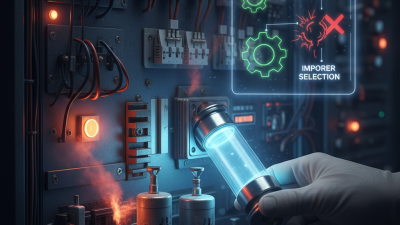
Despite their importance, many still overlook the specifications of High Voltage Fuses. A lack of understanding can lead to inadequate safety measures. The National Electrical Manufacturers Association stresses the need for comprehensive fuse evaluations in high voltage applications. Using the right fuse can enhance system reliability and longevity. It's time to rethink and prioritize fuse selection in electrical systems.
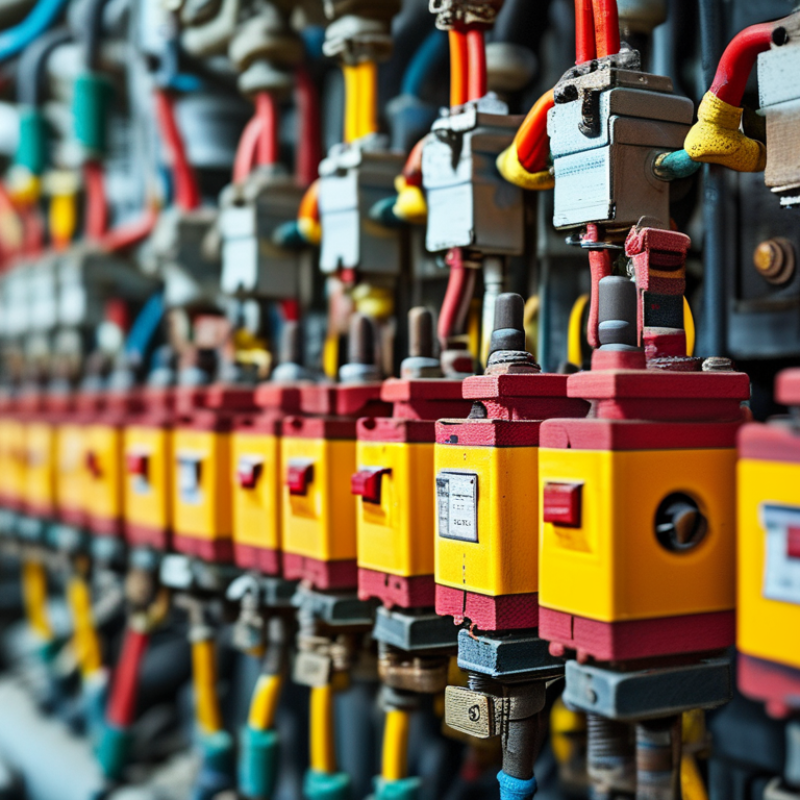
Why Do You Need High Voltage Fuse for Your Electrical Systems?

Understanding High Voltage Fuses and Their Role in Electrical Systems

High voltage fuses play a critical role in the safety and efficiency of electrical systems. These devices are designed to protect against overloads and short circuits by interrupting the flow of excessive current. When a fault occurs, the fuse melts, cutting off the power supply. This action prevents damage to sensitive equipment and reduces the risk of fire hazards. Understanding the mechanism behind high voltage fuses is essential for anyone involved in electrical engineering.

The construction of a high voltage fuse includes a metal wire and a fusible element, enclosed in an insulating material. This design allows the fuse to operate effectively under extreme conditions. The rated voltage of the fuse must match the electrical system it protects. Poor selection can lead to failures or even catastrophic events. Regular inspection and maintenance are necessary, as environmental factors can affect the reliability of these devices.

While high voltage fuses are reliable, they are not infallible. There might be instances where they trip unnecessarily, causing downtime. This can frustrate users, leading to significant operational delays. Therefore, understanding their limitations is as important as knowing their benefits. Continuous education about proper installation and usage of high voltage fuses will enhance their effectiveness in protecting electrical systems.
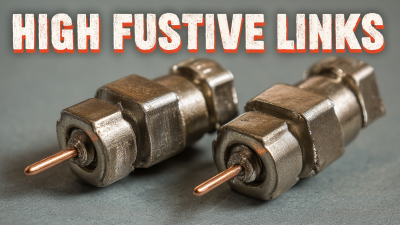
Key Components of High Voltage Fuses and How They Function

High voltage fuses are critical components in electrical systems. They provide protection by interrupting excessive currents. This protects equipment and ensures smooth operations. Understanding their structure and function is essential for safe electrical management.

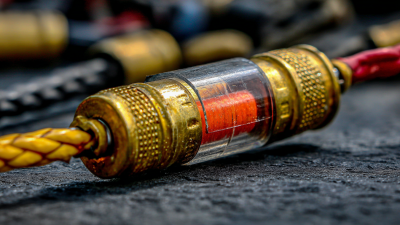
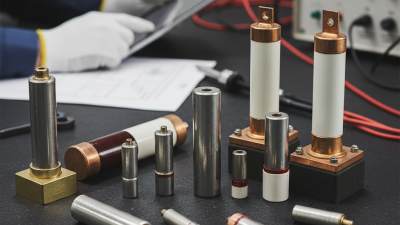
High voltage fuses consist of several key parts. The fuse element is usually a metallic wire or strip. Its design dictates the current rating and breaking capacity. Surrounding the element, non-combustible materials help contain any arc during a fault. A casing, made from insulating materials, ensures safety against external factors. This multilayered setup allows the fuse to respond quickly and effectively to faults.

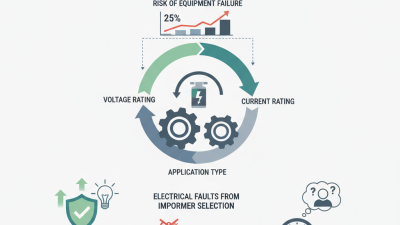
Fuses operate on a simple principle: they melt and break the circuit when current exceeds safe levels. However, factors such as temperature and ambient conditions can affect performance. It’s crucial to select the correct rating for specific applications. An incorrectly rated fuse may either blow too quickly or fail to operate under fault conditions. Engineers must consider all these aspects for optimal protection.

Why Do You Need High Voltage Fuse for Your Electrical Systems?

Component Function Importance Typical Ratings (kV)
Fuse Element Conducts current and melts under overload. Protects system from overcurrent damage. 3.6 to 36 kV
Insulating Body Houses and insulates the fuse element. Prevents electrical arcing and enhances safety. Up to 36 kV
Current-Limiting Feature Limits fault current to prevent damage. Minimizes damage to equipment during faults. Varies by design
Indicator Shows fuse status (good/bad). Facilitates maintenance and quick diagnosis. Not always included
Mounting Bracket Attaches fuse to electrical panels or systems. Ensures secure installation and alignment. Varies by application

Common Applications of High Voltage Fuses in Various Industries

High voltage fuses are essential components in various industries, effectively safeguarding electrical systems from overloads and short circuits. Significant sectors utilizing these fuses include power generation, manufacturing, and transportation. For instance, energy companies often operate at voltages exceeding 36kV, necessitating high voltage fuses to ensure safety and reliability in transmission lines. According to a report by Markets and Markets, the global high voltage fuse market is projected to reach USD 528 million by 2026. This underscores the growing demand for these protective devices.

In manufacturing, high voltage fuses provide crucial protection to machinery and equipment. For example, in heavy industries like metal processing and automotive manufacturing, the costs associated with equipment failure can be staggering. High voltage fuses help prevent such costly downtime, thereby enhancing operational efficiency. Furthermore, transport sectors such as rail and aerospace also rely on high voltage fuses for their electrical systems, ensuring safe and reliable operation amidst challenging conditions.

Consider regular maintenance checks for fuses in your systems. Fuses should be inspected for signs of wear and fatigue, especially in high-traffic environments. Promptly replacing any damaged fuses can significantly reduce risks and enhance system reliability. Adapting a proactive approach toward high voltage fuse management can save time and costs in the long run.

Benefits of Using High Voltage Fuses for System Protection

In high voltage electrical systems, the choice of protection devices is critical. High voltage fuses play a vital role in safeguarding these systems from potentially damaging faults. They act as a barrier, disconnecting the electrical circuit when excessive currents occur. This helps to prevent equipment damage and ensures operational safety.

When a fault occurs, a high voltage fuse responds quickly. It absorbs the surge of energy, effectively mitigating risks. This rapid response can save both lives and costly equipment. Moreover, high voltage fuses are designed for reliability. They endure harsh conditions and maintain their performance over time. Regular maintenance is important, but these fuses provide a dependable layer of security in any system.

However, challenges remain in using high voltage fuses. Installation requires skilled professionals to ensure proper configuration. Incorrect installation can lead to failures or accidents. Additionally, the fuses themselves require periodic inspections. These factors must be addressed to maximize the benefits of high voltage fuses. Their role in enhancing system protection cannot be overlooked, even with potential downsides.

Maintenance and Safety Considerations for High Voltage Fuses

High voltage fuses play a crucial role in ensuring the safety and reliability of electrical systems. These fuses protect equipment from overcurrent conditions, preventing damage or potential hazards. Regular inspection and maintenance are vital. A worn-out fuse can lead to unexpected failures and costly downtime in operations.

When assessing high voltage fuses, consider the environment they operate in. Dust, moisture, and extreme temperatures can affect performance. It's essential to check connections and ensure components are clean. Failure to address these issues can result in reduced lifespan and malfunctions. Engineered with precision, fuses must meet specific standards, but their effectiveness lies in proper use and care.

Documenting maintenance activities helps track performance and identify recurring issues. Evaluate the testing frequency of your fuses. Sometimes, personnel may overlook this important step. Regular testing can reveal early signs of wear and potentially save critical resources. Effective maintenance establishes a safer working environment, making it a priority for all responsible operators.

Importance of High Voltage Fuses in Electrical Systems

High voltage fuses are critical in ensuring the safety and reliability of electrical systems. The chart above illustrates key specifications that highlight their importance. Proper selection and maintenance of these fuses can prevent electrical failures and enhance the overall safety of electrical infrastructure.