10 Tips for Choosing the Right Polymeric Surge Arrester?
Choosing the right Polymeric Surge Arrester is crucial for protecting electrical equipment from voltage spikes. According to a report by the Global Surge Protection Devices Market, the surge protection device market is expected to grow significantly, reflecting the increasing importance of good electrical safety practices.
David Miller, an industry expert in surge protection, emphasizes, "Investing in quality polymeric surge arresters can save thousands in equipment replacement." His statement highlights the financial impact of selecting the right device. Polymeric surge arresters are designed to provide enhanced performance while being more lightweight than traditional ceramic options.
However, many buyers struggle with their choices. Technical specifications often seem overwhelming. Additionally, there can be confusion between different materials and designs. This reinforces the need for careful consideration when choosing a Polymeric Surge Arrester. Rushing the decision can lead to costly mistakes. Ultimately, a well-informed choice can offer robust protection and peace of mind for electrical systems.
Understanding the Role of Polymeric Surge Arrester in Electrical Systems
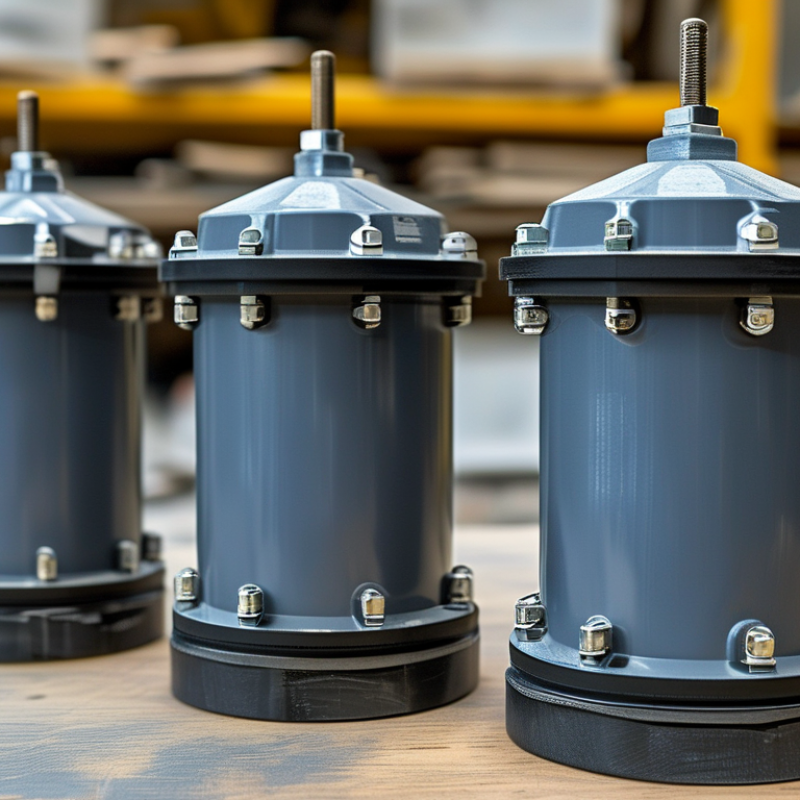
Understanding the role of polymeric surge arresters in electrical systems is crucial. These devices protect equipment from voltage spikes. They absorb excess energy during transients, preventing damage. With growing reliance on sensitive electronics, surge protection is more vital than ever.
When choosing the right polymeric surge arrester, consider environmental factors. The location has a significant impact on performance. Areas prone to lightning or industrial activity need stronger protection. Furthermore, assess the specific voltage levels of your system to ensure compatibility. A mismatch can lead to ineffective protection.
Evaluate the products based on their dielectric strength. This property determines how well the arrester can handle voltage surges. Look for detailed specifications that outline performance ratings. Lastly, don’t overlook the installation process. Properly installed surge arresters are much more reliable. They require careful consideration and ongoing maintenance for optimal function.
Comparison of Surge Protection Level of Different Polymeric Surge Arresters
Key Factors to Consider When Selecting a Polymeric Surge Arrester
Selecting the right polymeric surge arrester involves understanding key factors that influence performance and longevity. Surge arresters protect electrical systems from voltage spikes. This protection is critical in preventing equipment damage and downtime. A recent study from the IEEE shows that improper selection can result in up to 30% increased failure rates in electrical components.
One crucial aspect to consider is the environmental conditions. Polymeric materials can degrade under UV exposure and extreme temperatures. Ensure that the arrester material is suitable for local weather. Additionally, look at voltage rating. Many experts recommend choosing a surge arrester with a rating higher than the operating voltage. This can enhance reliability and extend the device's life.
Another factor involves the discharge current capacity. A surge arrester must withstand high transient currents without failing. Manufacturers often specify a maximum rating of 20 kA or more for optimal performance. Testing and certification are essential. Select products that comply with international standards, such as IEC or ASTM. This compliance indicates reliable manufacturing practices and quality control.
Evaluating Voltage Ratings for Optimal Surge Protection
When selecting a polymeric surge arrester, evaluating its voltage ratings is crucial for optimal surge protection. Voltage ratings determine how much electrical stress a device can withstand. According to industry reports, choosing a device with an adequate voltage rating can enhance system reliability significantly. For instance, the IEEE 142-2007 standard recommends surge protectors rated at least 20% higher than the maximum operating voltage to prevent breakdown under peak conditions.
Improper voltage ratings can lead to system failures or reduced equipment lifespan. A surge arrester's clamping voltage also plays a vital role in determining its effectiveness. Devices with a lower clamping voltage offer better protection but may be costlier. Furthermore, the need to reflect on application-specific necessities is essential; a miscalculation here could lead to catastrophic failures. Evaluating local environmental conditions, such as potential over-voltage situations due to lightning or switching, can also inform the choice of surge arrester.
Utilizing comprehensive data can guide these decisions. Reports indicate that systems equipped with well-rated surge protectors reduce maintenance costs by up to 40%. However, relying solely on these figures without understanding specific requirements can be misleading. Awareness of regional voltage fluctuations is equally necessary for informed decision-making.
10 Tips for Choosing the Right Polymeric Surge Arrester
| Tip No. |
Evaluation Criteria |
Recommended Voltage Rating (kV) |
Application Scenarios |
| 1 |
Understand system voltage |
12 kV |
Distribution networks |
| 2 |
Choose appropriate insulation level |
24 kV |
Industrial applications |
| 3 |
Check energy handling capability |
36 kV |
Renewable energy systems |
| 4 |
Assess environmental conditions |
9 kV |
Outdoor installations |
| 5 |
Evaluate response time |
15 kV |
Telecommunication systems |
| 6 |
Consider physical size and mounting |
30 kV |
Compact spaces |
| 7 |
Look for compliance with standards |
18 kV |
Government projects |
| 8 |
Compare manufacturer warranties |
42 kV |
Long-duration operations |
| 9 |
Assess cost-effectiveness |
21 kV |
Budget-sensitive projects |
| 10 |
Consult user reviews and case studies |
27 kV |
Customer feedback-driven choices |
Assessing Environmental Conditions Impacting Surge Arresters
When selecting polymeric surge arresters, it's vital to consider the environmental conditions. Factors like temperature, humidity, and exposure to pollutants can significantly impact the performance and lifespan of surge arresters. For instance, extreme temperatures can cause materials to degrade faster. High humidity can lead to increased leakage currents. These conditions can compromise the protective abilities of the surge arresters.
Another aspect to evaluate is the physical location where the surge arresters will be installed. Areas prone to pollution or corrosive substances may require additional protective measures. Dust and salt can accumulate, leading to premature failure. Furthermore, consider the susceptibility of the area to lightning and surge events. Proper assessment of these environmental factors is critical. It ensures that you choose a surge arrester suitable for your specific location and needs.
Always reflect on past decisions regarding surge arresters. Have previous installations failed due to overlooked environmental conditions? Use those experiences to guide your selections. Each environment is unique, and what works in one location may not work in another. Adapting to these differences is essential for long-term reliability and effectiveness.
Comparing Different Manufacturers and Their Polymeric Surge Arresters
When selecting polymeric surge arresters, evaluating different manufacturers is crucial. Quality and reliability are paramount. Each manufacturer has unique strengths and weaknesses. Researching their histories and product lines can reveal valuable insights. Look for companies with a strong track record in reliability. A consistent performance history often indicates better long-term results.
Understanding the specifications of polymeric surge arresters is another key point. Compare voltage ratings and energy absorption capabilities. This ensures the selected device meets your specific application needs. Some manufacturers provide more detailed testing results, which can aid in informed decision-making. Consider the warranty and service options as well. These factors often reflect the manufacturer's confidence in their product.
When assessing features, focus on environmental resistance. Not all arresters perform equally under varying conditions. Consider their resilience against humidity and temperature fluctuations. Some options may lack adequate protective qualities. Pay attention to user reviews and expert recommendations. This feedback can help identify any recurring issues. A critical evaluation of different manufacturer's offerings can lead to better choices in surge protection.