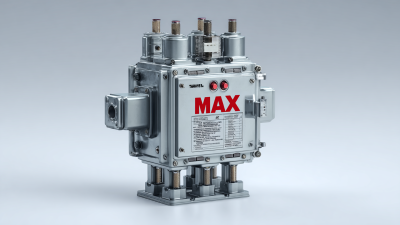
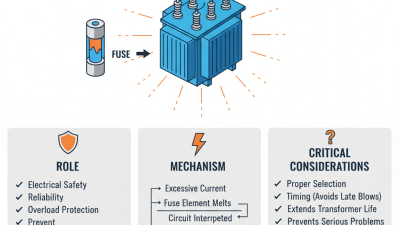
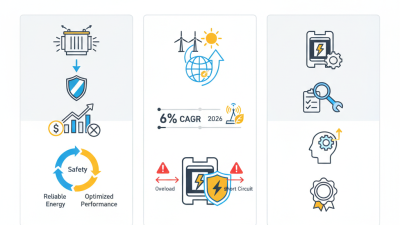
Top High Voltage Xrnt Suppliers for Global Buyers
Global buyers need more than a supplier list when sourcing High Voltage Xrnt equipment. They need reliable performance, clear documentation, and support that continues after delivery. The International Energy Agency’s Electricity 2024 report projects global electricity demand will grow by an average of 3.4% annually from 2024 to 2026. That forecast is not a measure of X-ray transformer demand. It does, however, point to a wider need for dependable electrical infrastructure.
Specifications deserve close attention. Buyers should compare rated voltage, power output, insulation design, duty cycle, cooling requirements, and operating temperature. A datasheet can look complete while leaving important test conditions unclear. Ask suppliers for routine test records, traceable component information, and realistic lead times. Where relevant, review quality systems and applicable IEC documentation. No single certificate proves that a unit suits every application.
This guide examines suppliers through practical criteria: product range, engineering capability, customization, production capacity, and after-sales service. It also highlights questions buyers can raise before requesting a quotation. Can the supplier explain its test method? Are replacement parts available? Who handles technical issues across time zones? Small details matter. Supplier websites and published specifications are useful starting points, not independent verification. Cross-check claims, request project references where appropriate, and confirm requirements with a qualified engineer. The right choice depends on the application, and comparisons should acknowledge that uncertainty rather than hide it.
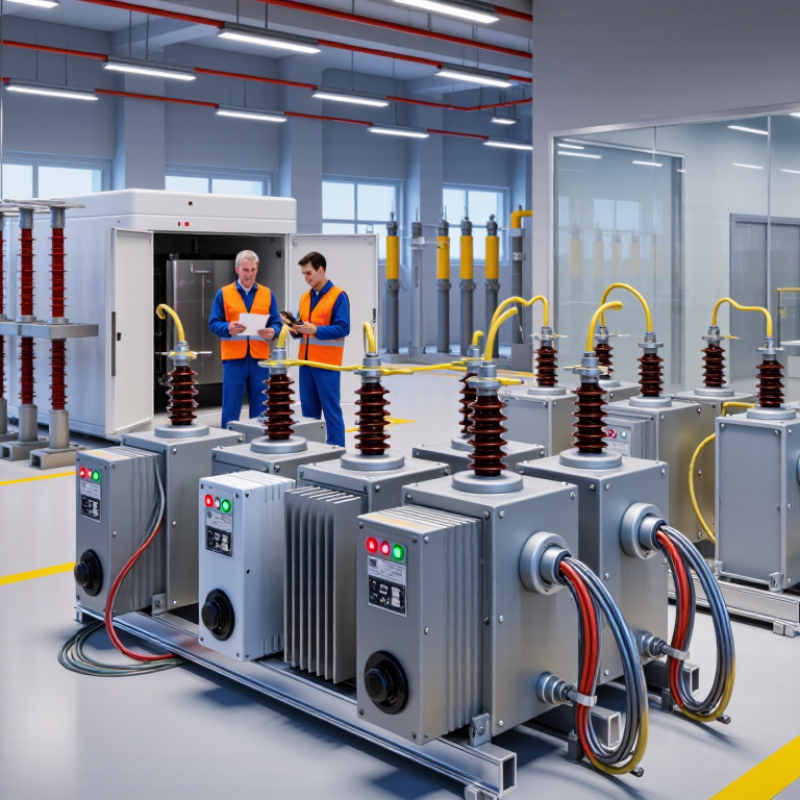
Understanding High-Voltage XRNT Equipment and Its Applications
High-voltage XRNT equipment uses an X-ray tube, a high-voltage generator, and an image detector to reveal internal defects without cutting components apart. Depending on the setup, it can inspect welds, castings, and selected electrical components for cracks, voids, or incomplete joints. A radiograph may show a defect clearly; overlapping geometry can still hide one.
In power infrastructure, inspection quality matters as grids expand and equipment ages. The International Energy Agency’s 2023 report, Electricity Grids and Secure Energy Transitions, says annual grid investment needs to rise from about USD 300 billion to more than USD 600 billion by 2030. This is grid-investment data, not a forecast for XRNT sales. Still, it signals the scale of assets whose manufacture and maintenance depend on reliable inspection.
For buyers, the useful comparison is not voltage rating alone. Check material thickness, focal-spot size, detector resolution, exposure control, and whether the system suits fixed or field work. A compact unit beside a turbine casing solves different problems from a shielded inspection cell for large weldments. Safety planning matters. Shielding, access controls, and trained operators are essential; actual image quality also depends on setup and interpretation. Specs can look impressive on paper, yet fail to match the component. That deserves a closer look.
Key Specifications Buyers Should Compare
When evaluating high-voltage transformer suppliers, compare rated primary and secondary voltage, output capacity, frequency, and permissible load profile. These figures must match the actual system, not just the headline rating. Check insulation level and lightning impulse withstand voltage against the installation’s insulation-coordination requirements. The IEC 60076 series provides relevant requirements and test methods for power transformers. Ask suppliers for routine and type-test documentation, including temperature-rise results, impedance, and no-load and load losses. Specifics matter.
Thermal design deserves close review. Compare cooling method, temperature-rise limits, ambient operating range, and any derating at high altitude. For sensitive applications, request partial-discharge test results and the stated measurement conditions; figures without test context are hard to compare. The IEA’s 2023 report, Electricity Grids and Secure Energy Transitions, says annual grid investment needs to rise above USD 600 billion by 2030. That growing infrastructure workload makes verified performance and service life more important than purchase price alone. A low quote can conceal trade-offs. Compare guaranteed losses, warranty terms, spare-parts availability, and delivery lead time in writing. One detail is easy to miss: confirm that the supplier’s test configuration matches the proposed unit. It may not.
How to Evaluate XRNT Suppliers and Manufacturers
When evaluating XRNT suppliers, compare documented capability with your actual operating conditions. Share the required voltage class, current range, installation environment, and expected duty cycle. A capable manufacturer should explain how its product configuration fits those requirements, not simply send a generic catalog. Ask for current test reports, dimensional drawings, material information, and clear product identification. Check whether inspection records can be traced to the supplied batch. Details matter.
Tips: Ask for a sample inspection record and a written lead-time estimate. Confirm how packaging protects terminals and insulation during shipping. If an answer is vague, request a specific document or example.
Review quality controls and communication together. Ask how incoming materials, production steps, and final testing are recorded. Clarify what happens when a shipment arrives damaged or a test result falls outside the agreed range. Request references for comparable applications when available, and verify them independently. A factory visit or remote production review can reveal practical details, such as whether test equipment is maintained and work areas are organized. Still, one visit cannot prove every claim. Compare several suppliers using the same questions, and keep assumptions visible in your notes. That makes differences easier to judge, even when specifications look similar.
Leading Supplier Profiles Across Global Markets
XRNT suppliers serve different needs across global markets. In East Asia, many manufacturers offer broad production capacity and configurable assemblies. Buyers can ask for winding records, insulation test results, and clear material specifications. A useful profile explains more than factory size. It shows how the supplier controls quality from incoming copper to final testing.
European suppliers often emphasize engineering documentation and application-specific design. North American suppliers may provide closer technical support for regional projects and replacement needs. These patterns are not guarantees; capabilities vary by facility. Ask for sample inspection reports, operating limits, and details about routine and type testing. Small details matter. A terminal layout drawing can reveal whether a unit will fit an existing enclosure.
A dependable comparison also considers delivery consistency, service response, and traceable documentation. Request references for equipment with similar voltage and load conditions, while protecting confidential project information. Check how the supplier handles design changes and reports test failures. One uncomfortable point: polished brochures do not prove reliable field performance. Independent review may be worthwhile, though it adds time and cost. Suppliers should explain limitations plainly, including environmental ratings and maintenance needs.
International Procurement, Certifications, and After-Sales Support
For global buyers of XRNT high-voltage current-limiting fuses, procurement starts with matching the exact rating—not just the model code. Check rated voltage, current, breaking capacity, dimensions, and the equipment’s installation conditions. The IEA’s 2023 report, Electricity Grids and Secure Energy Transitions, says annual grid investment must rise from about $300 billion to more than $600 billion by 2030. That expansion increases pressure on supply chains, but a low quote is not proof of compatibility.
Ask suppliers for traceable test reports and evidence of conformity with the relevant IEC 60282-1 requirements. ISO 9001 indicates a quality-management system; it does not certify a specific fuse. For international orders, confirm export packaging, shipping documents, delivery terms, and whether replacement units will remain available. After-sales support should include a named technical contact, response times, and clear guidance for inspecting a failed unit. Paperwork can look complete and still leave gaps; verify the exact product revision.
Tips: Send a nameplate photo and installation drawing with your request for quotation. Confirm lead time for both the initial order and replacements. Keep one sample for incoming inspection, and record its dimensions and markings before installation.
Top High Voltage XRNT Suppliers for Global Buyers — International Procurement, Certifications, and After-Sales Support
Common nominal system voltage levels provide a starting point when comparing high-voltage equipment for international projects.
The chart shows standard voltage values referenced in IEC 60038; it does not rank suppliers or represent product ratings. Confirm local grid requirements, applicable certifications, and equipment ratings with the supplier before procurement.