I can write the introduction, but no source article or verified expert quotation was provided. I shouldn’t invent an industry expert or attribute a fabricated statement to a real person. Please share a source or the expert’s name and verified quote.
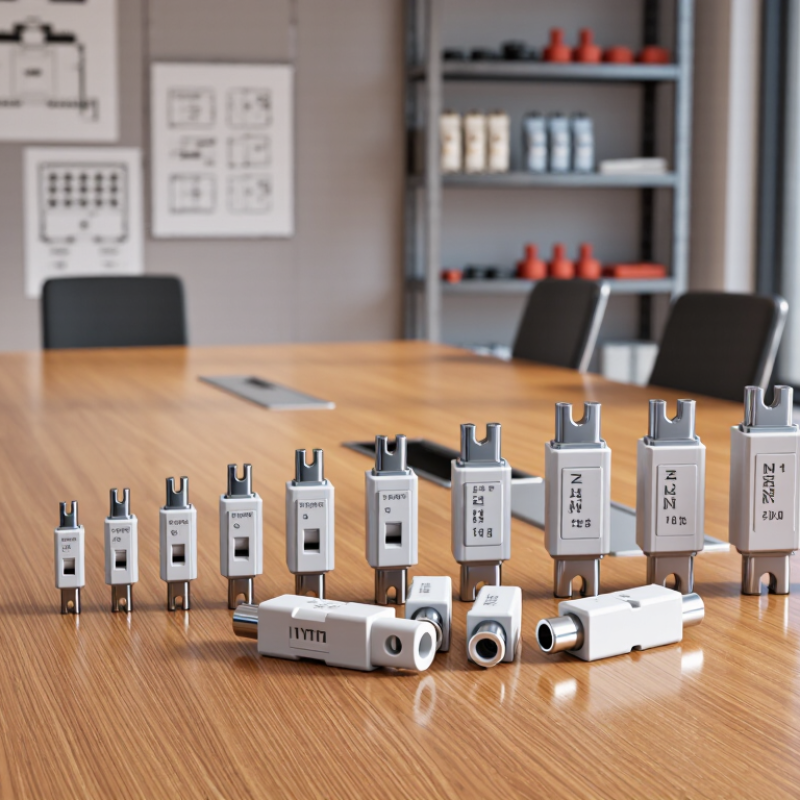
An NH fuse is a low-voltage, high-breaking-capacity fuse used in distribution boards and industrial equipment. Its blade contacts fit into a matching fuse base. Inside the ceramic body, a metal element melts when current exceeds its designed limit. Quartz sand helps extinguish the resulting arc. The fuse then interrupts the circuit.
Simple, but precise.
NH fuse links are selected by rated current, voltage, breaking capacity, and utilization category. For example, gG links provide general cable protection, while aM links are intended for motor circuits and need separate overload protection. IEC 60269-1 sets general requirements for low-voltage fuses, including devices rated up to 1,000 V AC or 1,500 V DC.
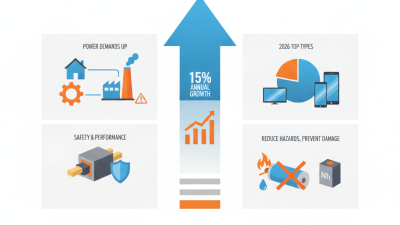
The IEA’s Electricity 2024 report projected global electricity demand growth averaging 3.4% annually from 2024 to 2026, compared with 2.2% in 2023. That wider demand trend makes dependable distribution protection increasingly relevant, though it does not determine a fuse’s correct rating.
Check the equipment specification. A fuse cannot compensate for poor coordination, and replacing one requires isolation and verification by qualified personnel.
The details matter.

NH fuses are commonly classified by physical size: 000, 00, 0, 1, 2, 3, and 4. The size identifies the fuse body and compatible holder, not its rated current. A size 00 fuse is physically smaller than a size 2 fuse, but that alone does not determine its electrical suitability. Rated current, shown in amperes, varies by fuse design, and ranges can overlap between sizes. Check the markings and technical data.
Choosing an NH fuse means checking its size and electrical ratings together. A 100 A fuse is not automatically a safe replacement for another 100 A fuse. Voltage rating, breaking capacity, utilization category, and the circuit’s expected load also matter. gG fuses are generally used for cable and general circuit protection. aM fuses provide short-circuit protection in motor circuits and require appropriate overload protection. A common mistake is treating size as a rating. It is not.
Tips: Match the fuse body to its holder, then verify the current, voltage, and category against the equipment specifications. Do not rely on appearance alone; similar dimensions or worn markings can cause confusion. If the rating is unclear, check the datasheet or ask a qualified electrician before choosing a replacement.
| NH Fuse Size | Typical Rated-Current Range | Common Utilization Categories | Typical Applications | Selection Notes |
|---|---|---|---|---|
| NH 000 | 2–100 A | gG; aM in selected ratings | Compact distribution boards, branch circuits, and smaller equipment feeders | Small physical size; check the fuse base and holder compatibility before replacement. |
| NH 00 | 2–160 A | gG; aM in selected ratings | Low-voltage distribution and equipment protection | Ratings overlap with NH 000, so size and holder compatibility matter as much as amperage. |
| NH 0 | 6–160 A | gG; aM in selected ratings | Distribution feeders, control panels, and general industrial circuits | Verify the required breaking capacity and the circuit’s prospective short-circuit current. |
| NH 1 | 10–250 A | gG; aM; gR or aR in selected ranges | Industrial feeders, motor circuits, and equipment protection | For motor circuits, coordinate the fuse with the starter, overload relay, and motor starting current. |
| NH 2 | 25–400 A | gG; aM; gR or aR in selected ranges | Higher-current distribution panels and industrial machinery | Check conductor ampacity, installation conditions, and upstream/downstream selectivity. |
| NH 3 | 63–630 A | gG; aM; gR or aR in selected ranges | Main distribution boards, large feeders, and industrial loads | Confirm the fuse-link size, rated voltage, and switch-disconnector compatibility. |
| NH 4 | 500–1,250 A | Primarily gG; other categories depend on product range | High-current main distribution and large industrial installations | Use only with equipment designed for the fuse’s physical size and current rating. |
| NH 4a | 500–1,600 A | Primarily gG; other categories depend on product range | Very high-current distribution and specialized power installations | Check the applicable product standard and equipment rating; availability varies by market. |
How the classifications work: NH size identifies the fuse-link’s standardized physical format, while rated current is the current the fuse is designed to carry under specified conditions. Utilization category describes its protection function: gG is a full-range general-purpose fuse, aM is intended for motor-circuit short-circuit protection and requires separate overload protection, and gR/aR categories are used for semiconductor protection. Current ranges and available voltage ratings vary by standard, fuse category, and product; always check the fuse-link markings and equipment documentation before selecting a replacement.
NH describes a fuse-link format, not a protection category. The category determines what faults it is designed to clear. Under IEC 60269, gG links provide full-range protection against overloads and short circuits, making them common for distribution feeders and general equipment circuits. They suit installations where one fuse must cover both fault types. Check the fuse rating against cable capacity and the prospective fault current.
Motor circuits may need a different choice. An aM link clears short circuits but does not provide full overload protection, so it is paired with a suitable overload relay. For semiconductor equipment, gR or aR links respond rapidly to protect sensitive components. They are not simple drop-in replacements for general-purpose fuses. For photovoltaic arrays, gPV links are designed for PV circuit conditions, including sustained DC current. Not interchangeable. The IEA’s Renewables 2024 report recorded nearly 510 GW of renewable capacity additions in 2023, with solar PV accounting for about three-quarters. That growth makes correctly rated PV protection increasingly relevant.
Selection still depends on real installation details: voltage, current, fault level, ambient temperature, and coordination with upstream devices. NH size alone proves little. A fuse that fits physically may not provide the intended protection. The category labels help, but they cannot replace a fault study or equipment-manufacturer limits. This is easy to overlook. Actual systems are sometimes less tidy than selection charts suggest.
NH fuse classes differ mainly in the faults they can interrupt and the equipment they protect. A gG fuse provides full-range protection against overloads and short circuits, making it common in distribution circuits and cable protection. An aM fuse is designed for motor short-circuit protection, but it does not handle motor overloads alone. Pair it with a suitable overload relay. That distinction is easy to miss.
For semiconductor equipment, aR fuses respond quickly to short circuits and help limit damage to sensitive components. They are partial-range devices, so separate overload protection may be needed. Some gR types offer broader protection, but confirm the specific fuse’s ratings and coordination requirements. Breaking capacity is the maximum fault current a fuse can safely interrupt at its rated voltage. It is not a simple class ranking; check the datasheet for the actual value.
Tips: Match the fuse class to the load and protection scheme. Check rated voltage, current, breaking capacity, and time-current curves before installation. A motor circuit may need both an aM fuse and an overload relay. Check the curve. Real installations can behave differently than a neat diagram suggests, so have a qualified professional verify the selection.
Choosing an NH fuse in 2026 starts with the circuit, not the catalogue. Match the fuse’s rated voltage to the system and its rated current to the cable and equipment it protects. Check breaking capacity against the prospective short-circuit current at the installation point. A mismatch can leave equipment exposed or cause unnecessary interruptions.
The utilization category matters too. A gG fuse commonly provides general cable protection, while an aM fuse is intended for motor circuits and may need separate overload protection. Confirm the fuse size, base compatibility, and coordination with upstream and downstream devices. Ambient temperature, enclosure ventilation, and repeated motor starts can affect performance. A calculation on paper may miss real operating conditions, so review actual load records where possible.
Tips: Read the equipment’s nameplate and the fuse manufacturer’s technical data. Verify the applicable standard and installation requirements. If the system has frequent trips, investigate the cause before fitting a higher-rated fuse. That shortcut can undermine protection.