Essential Guide to Zinc Oxide Surge Arrester for Global Buyers?
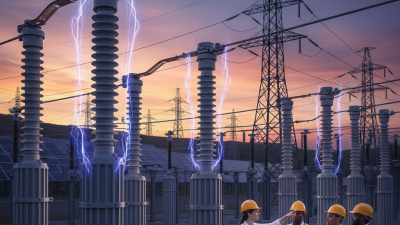
The demand for reliable protection against surges is ever-increasing. Zinc Oxide Surge Arresters play a crucial role in safeguarding electrical systems globally. Dr. Emily Chen, a leading expert in power electronics, highlights this importance: "Without adequate surge protection, systems may fail unexpectedly."
Zinc Oxide Surge Arresters are vital for preventing damage in power networks. They absorb and redirect excessive energy caused by voltage spikes. This keeps transformers, transmission lines, and various equipment secure. However, buyers must navigate this complex landscape with care. Quality and performance vary widely among manufacturers.
Many assume all surge arresters are alike, which is misleading. Low-quality products can underperform and lead to serious issues. Buyers should seek credible suppliers. Understanding the nuances of Zinc Oxide Surge Arresters is essential. A misstep in choice can compromise safety and efficiency. Therefore, thorough research is critical in making informed decisions.
Understanding Zinc Oxide Surge Arresters: A Comprehensive Overview
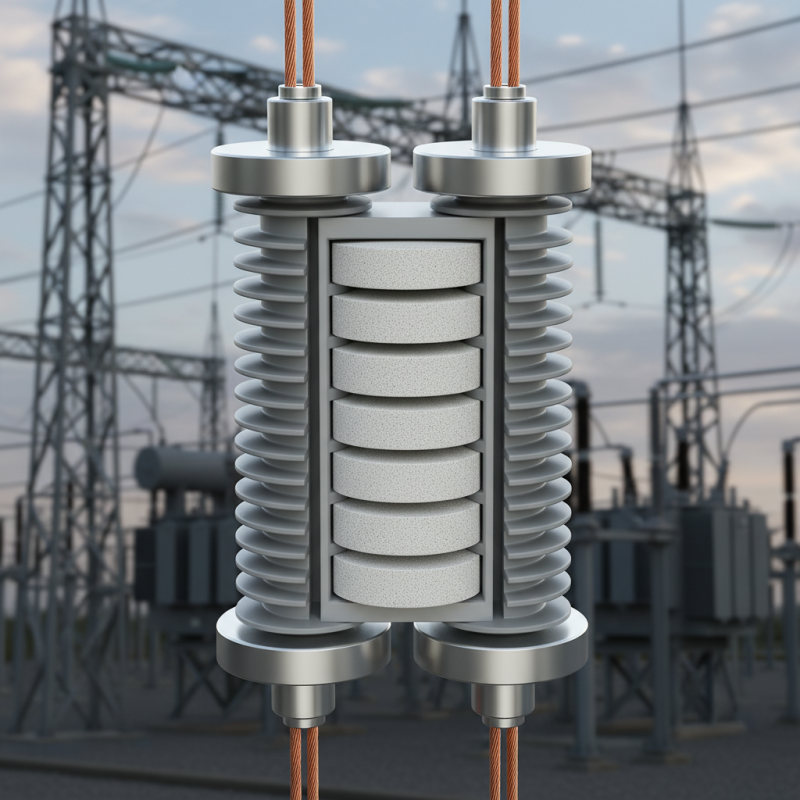
Zinc oxide surge arresters (ZOSAs) play a crucial role in power systems. They protect electrical equipment from voltage surges caused by lightning or switching events. An effective ZOSA ensures longevity and reliability for critical infrastructure.
According to industry reports, the global market for surge arresters is projected to reach $3 billion by 2027. This growth is driven by the increasing demand for reliable power systems. Many industries are investing in surge protection to avoid costly downtime. ZOSAs can withstand substantial energy surges, making them vital for safeguarding assets.
Tip: When selecting a ZOSA, consider the application's voltage level and environmental conditions. Proper installation and periodic testing can enhance their performance. It's essential to analyze failure rates to avoid potential hazards and maintain operational efficiency.
Though ZOSAs have many advantages, they are not infallible. They require regular inspections and maintenance. In some instances, users may overlook these tasks, leading to unforeseen outages. A proactive approach is necessary for maximizing the effectiveness of surge protection devices.
Key Benefits of Using Zinc Oxide Surge Arresters in Electrical Systems
Zinc oxide surge arresters are crucial in modern electrical systems. They provide effective protection against voltage spikes, which can damage essential equipment. This type of arrester can handle significant overvoltage, ensuring the safety and longevity of electrical installations.
One key advantage is their fast response time. Zinc oxide surge arresters can react to surges in microseconds. This quick action minimizes potential damage to sensitive devices. Reliability is another benefit; their construction allows for lower leakage currents. This feature helps maintain system integrity, thus reducing maintenance needs.
In designing electrical systems, it’s essential to consider potential surge events. Many installations do not fully account for these risks. Choosing the right surge protection can prevent costly failures. However, some users may overlook the importance of proper installation. This can lead to compromised safety and increased vulnerability. Being aware of these factors ensures a more robust electrical setup.
Key Benefits of Using Zinc Oxide Surge Arresters in Electrical Systems
Factors to Consider When Sourcing Zinc Oxide Surge Arresters Globally
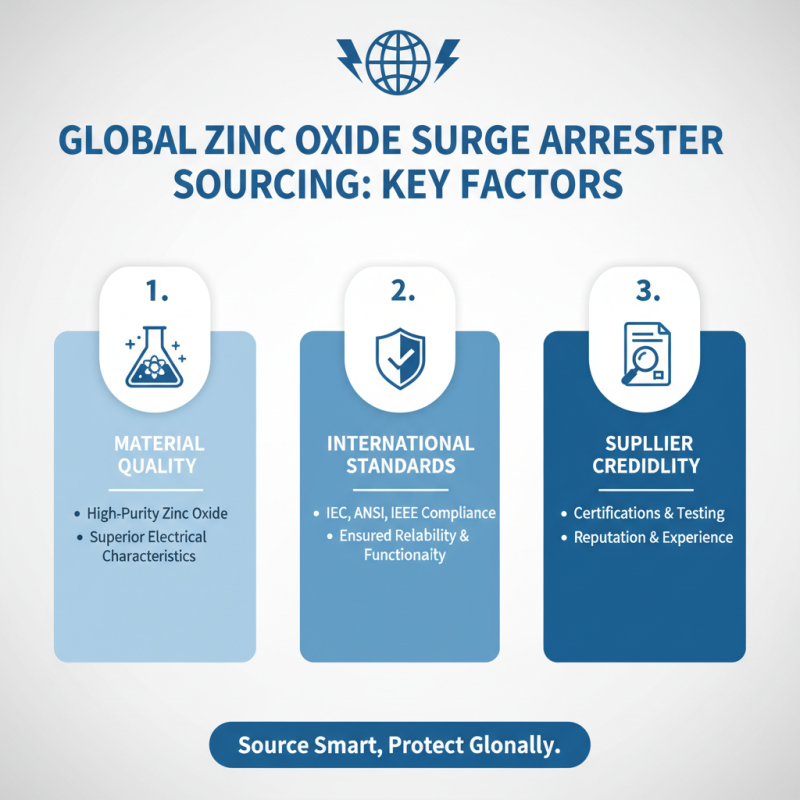
When sourcing zinc oxide surge arresters, several key factors come into play. Understanding the material quality is crucial. High-quality zinc oxide offers superior electrical characteristics. Look for products that conform to international standards. These standards ensure reliability and functionality.
Another important aspect is the manufacturer's reputation. A well-established supplier often indicates a commitment to quality and customer service. Consider seeking manufacturers with experience in the industry. A strong track record signals reliability. Additionally, check for certifications that verify compliance with safety regulations. This adds an extra layer of assurance in your purchasing decision.
Cost is also a significant factor, but it shouldn't be the sole consideration. While aiming for competitive pricing, remember that cheaper options may compromise quality. This could lead to failures and costly replacements. Striking a balance between cost and quality is essential. In your search for zinc oxide surge arresters, take the time to evaluate each option carefully. This ensures you make informed decisions that meet your requirements effectively.
Installation and Maintenance Best Practices for Zinc Oxide Surge Arresters
When installing a zinc oxide surge arrester, proper attention to detail is crucial. Ensure that the installation site is dry and free from debris. The grounding system should be robust because it plays a vital role in the arrester's performance. Inadequate grounding can lead to equipment failure and safety hazards.
During installation, double-check all connections. Loose or corroded connections can undermine the device’s efficacy. Regular inspection is essential. Look for signs of wear, corrosion, or damage. Taking preventive measures can save costs in the long run and ensure reliability.
Maintenance requires a proactive approach. Schedule periodic checks according to the manufacturer's recommendations. If issues arise, addressing them immediately can prevent more serious problems. Some users may overlook these aspects, leading to unexpected failures. Reflecting on one’s practices can improve both safety and functionality. Each step taken ensures that the surge arrester functions optimally, safeguarding your equipment effectively.
Essential Guide to Zinc Oxide Surge Arrester for Global Buyers
| Category |
Specification |
Best Practices |
Maintenance Tips |
| Nominal Voltage |
3 kV to 36 kV |
Install according to local regulations |
Inspect connections annually |
| Max Surge Current |
Up to 200 kA |
Simulate surge conditions during testing |
Check for signs of wear |
| Response Time |
< 1 ns |
Ensure adequate earthing |
Replace after severe storm events |
| Protection Level |
Class I, II, III |
Align with system requirements |
Test functionality regularly |
| Installation Environment |
Indoor/Outdoor |
Follow guidelines for exposure levels |
Keep free of debris and moisture |